OpenAI Offers US Government a $42 Billion Slice of Itself: Report

OpenAI CEO Sam Altman has reportedly proposed a bold initiative to the U.S. government, offering a 5% equity stake in OpenAI valued at approximately $42 billion. This move is seen not only as a strategic alignment with governmental interests but also as part of a larger vision where major AI companies would consider similar offerings. The proposal suggests that by having a stake in AI development, the government could help steer ethical advancements and ensure the technology serves public interests. This initiative is stirring conversations about the intersection of technology, governance, and public accountability.
To understand the significance of this proposal, it is essential to look at the broader context surrounding AI advancements and regulation. As AI technologies proliferate across various sectors, concerns about safety, ethical usage, and potential job displacement are increasingly coming to the forefront. The U.S. government, alongside international bodies, has been grappling with how to regulate this rapidly evolving field while fostering innovation. Altman's proposition appears to offer a potential solution–an investment that could align governmental oversight with the progress of AI technologies, thereby ensuring that the advancement of AI remains beneficial to society as a whole.
The implications of such a proposal are profound for the market. If the U.S. government were to accept OpenAI's offer, it could set a precedent for public-private partnerships in the tech industry, particularly in AI. This could lead to increased scrutiny and regulation of AI companies, causing a ripple effect across the sector as others may feel pressured to follow suit. The prospect of governmental ownership stakes might also influence how companies prioritize their research and development efforts, possibly shifting focus toward projects that satisfy regulatory frameworks rather than purely market-driven pursuits.
Industry reactions to this news have been mixed but largely focused on the potential benefits and challenges of such a partnership. Many experts argue that government involvement could provide valuable oversight, ensuring that AI technologies are developed responsibly. However, there are voices of skepticism who caution against excessive regulation that could stifle innovation. The conversation is ongoing, with many in the tech community eager to see how this proposal unfolds and what it could mean for the future of AI governance.
Looking ahead, the next steps will be crucial. Should the U.S. government engage with Altman's offer, it will likely prompt discussions on the structure and terms of such a partnership, along with potential implications for other AI firms. This could lead to a new paradigm in which government and private enterprise collaborate more closely on AI initiatives. As the conversation develops, stakeholders from both the tech and regulatory spheres will need to navigate the complex landscape of AI ethics, innovation, and governance to ensure that advancements align with societal values and needs.

CoinMagnetic Team
Crypto investors since 2017. We trade with our own money and test every exchange ourselves.
Updated: July 2026
From our insights:
Related news

Bitcoin Policy Institute critiques MSCI’s plan to exclude Strategy, Metaplanet from indexes

Brazil’s largest energy giant tests Cardano to fix carbon double-counting
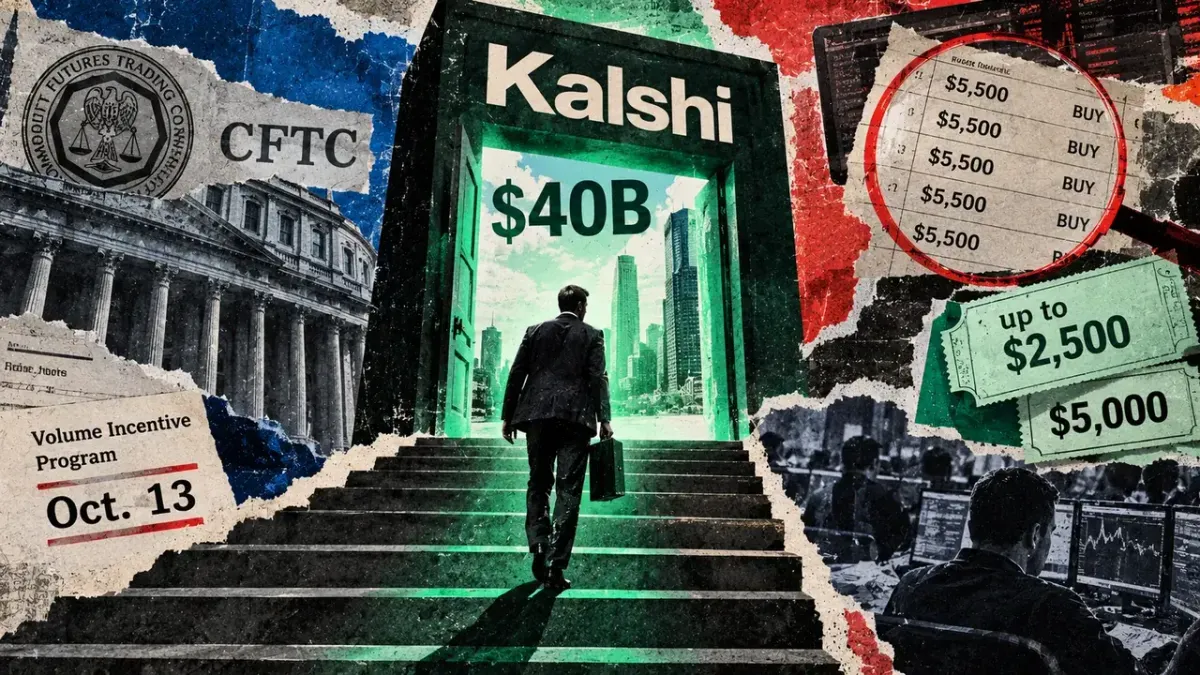
Kalshi's $40 billion growth faces scrutiny with trading volume program ending early

Bloomberg Terminal users gain access to hourly stablecoin data through Allium

Bitcoin slips below $84,000 after $85,000 breakout as bond yields rise