Kalshi's $40 billion growth faces scrutiny with trading volume program ending early
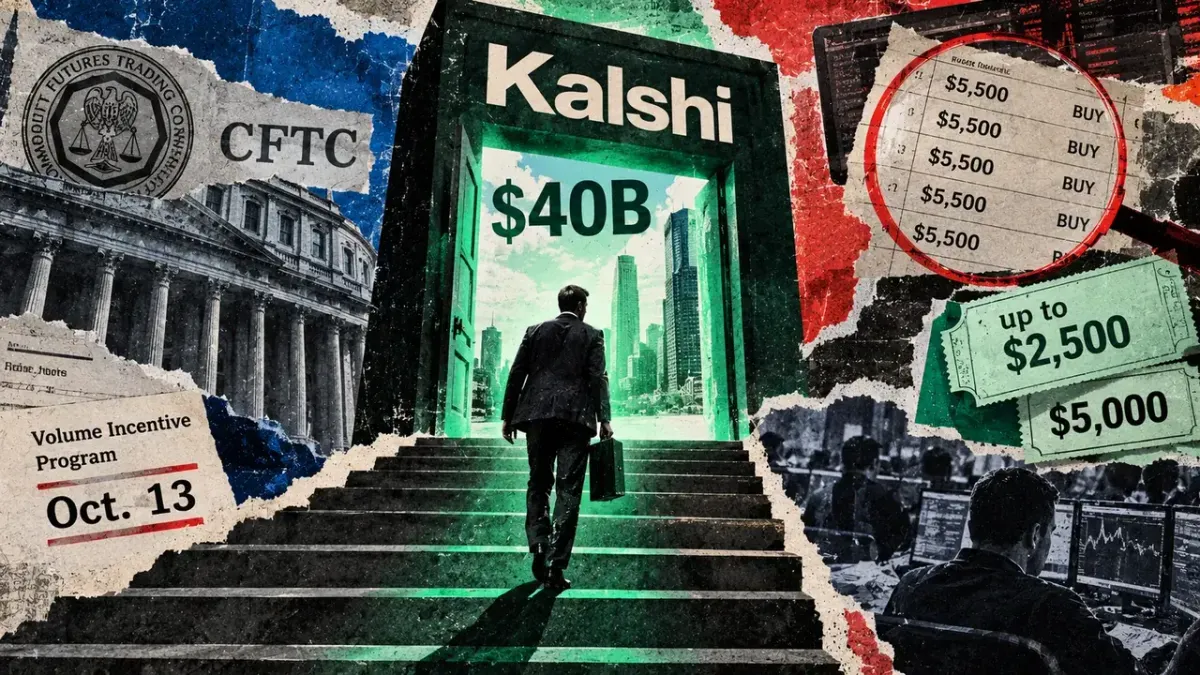
Kalshi, the prediction-market operator, is making headlines as it plans to end its Volume Incentive Program nearly a year earlier than anticipated. According to a filing made to the Commodity Futures Trading Commission (CFTC) on September 28, the program will conclude no later than October 13. This decision comes amid increasing scrutiny regarding the trading volume within its crypto markets, raising questions about the sustainability of its rapid growth trajectory, which has been touted at $40 billion.
The Volume Incentive Program was initially designed to encourage trading activity on the platform, which has witnessed significant growth since its inception. However, the early termination of this initiative suggests that Kalshi is facing challenges in maintaining that momentum. The move has prompted industry observers to dig deeper into the underlying factors that may have contributed to this decision, particularly in light of recent concerns over trading volumes and their implications for market integrity.
This development is particularly important for the market, as it may reflect broader trends affecting crypto trading and prediction markets. With regulatory bodies like the CFTC closely examining trading activities, Kalshi's decision could set a precedent for how similar platforms manage their trading incentives. The reduction in incentives could potentially lead to decreased trading volumes, impacting liquidity and user engagement on the platform.
Industry reactions have been mixed, with some experts expressing concern over the potential implications for Kalshi's future. Critics argue that the early conclusion of the incentive program could hinder Kalshi's ability to compete with other trading platforms that are not facing similar scrutiny. On the other hand, some analysts believe that Kalshi's proactive approach in addressing these issues may ultimately strengthen its position in the market, as it adapts to regulatory expectations.
Looking ahead, it remains to be seen how Kalshi will adjust its strategy to navigate the challenges posed by regulatory scrutiny and trading volume concerns. The company may need to explore alternative methods to incentivize trading without compromising its compliance with regulatory standards. As the situation unfolds, the broader implications for prediction markets and their regulatory landscape will be closely monitored by market participants.

CoinMagnetic Team
Crypto investors since 2017. We trade with our own money and test every exchange ourselves.
Updated: September 2026
From our insights:
Related news

Bloomberg Terminal users gain access to hourly stablecoin data through Allium
Bitcoin slips below $84,000 after $85,000 breakout as bond yields rise

Bitcoin ETFs add $66 million, marking nine-day win streak like August rally

Stablecoin card spending soars to record $1.17 billion in September
Trump's 'morally binding' AI accord lacks enforcement measures, faces criticism