North Korea cashes out $30M in crypto, raising concerns for DeFi's US launch
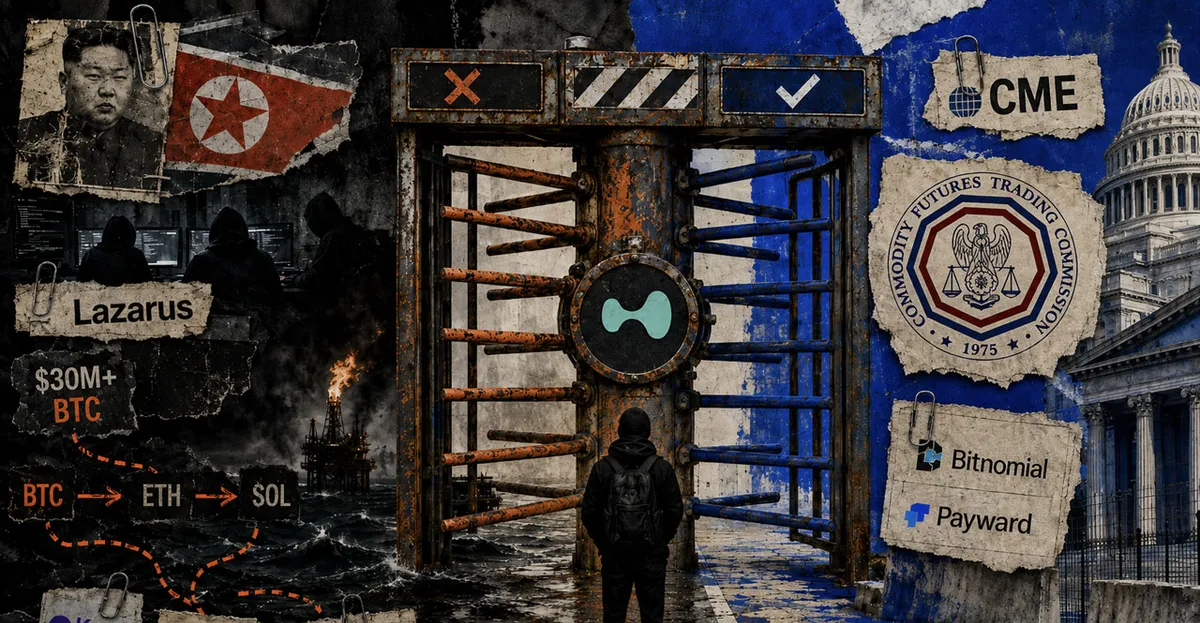
Recent developments have revealed that wallets associated with North Korea's Lazarus Group have sold over $30 million in Bitcoin through the decentralized exchange Hyperliquid. This specific cashout was analyzed in an Arkham report provided to CoinDesk, which highlighted the transactions occurring over a span of three weeks leading up to August 31. The ability of sanctioned entities to execute such large-scale trades on decentralized platforms raises significant concerns regarding the implications for regulatory oversight in the cryptocurrency market.
This situation is not entirely unprecedented. Back in May, major financial institutions like CME and ICE raised alarms about how platforms like Hyperliquid could potentially enable sanctioned actors to bypass enforcement measures. The pseudonymous nature of these markets allows for transactions to occur without the transparent oversight typically associated with centralized exchanges. As a result, this cashout from North Korea underscores the vulnerabilities within the decentralized finance (DeFi) landscape and its capacity for misuse by bad actors.
The ramifications of this event extend beyond mere regulatory concerns; they pose a serious question about the future of DeFi in the United States. As regulators aim to establish a framework for the burgeoning sector, incidents like this could lead to stricter regulations or even push for outright bans on certain services. The fear is that legacy financial institutions may leverage this situation to undermine the growth of DeFi, arguing that it poses risks that outweigh its benefits, especially when national security is at stake.
Industry experts have expressed a mix of concern and caution regarding the implications of North Korea's actions. Many believe that while the decentralized nature of cryptocurrency offers significant advantages, it also presents unique challenges that need to be addressed. Some analysts argue that this incident could serve as a wake-up call for regulators to take more proactive steps in monitoring and managing the risks associated with decentralized finance.
Looking ahead, the crypto community is likely to see increased scrutiny from regulators and potentially new legislative measures aimed at curbing the misuse of decentralized platforms. The balance between fostering innovation and ensuring security will be a critical focus for stakeholders as they navigate this evolving landscape. How regulators respond to this situation could set important precedents for the future of DeFi in the U.S. market.

CoinMagnetic Team
Crypto investors since 2017. We trade with our own money and test every exchange ourselves.
Updated: September 2026
From our insights:
Related news

Bitwise eyes $100,000 bitcoin finish while LO:TECH flags inflation risks

Cysic crypto bridge halted after unauthorized mint of 10M CYS
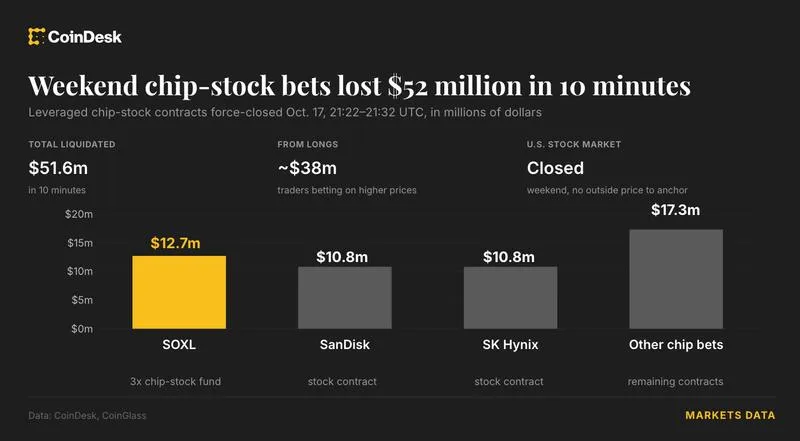
Traders lose $52 million on chip-stock contracts in 10 minutes during market closure

Turkey confirms Hex founder Richard Heart’s arrest, says police seized $7.15 million and six cold wallets
Defend American Jobs commits another $7 million to unseat Ohio Senator Sherrod Brown