No dice? Your Bitcoin hardware wallet is probably not as secure as you thought it was

Recent revelations regarding Coldcard’s random number generator (RNG) have raised significant concerns about the security of Bitcoin hardware wallets. The flaw in Coldcard’s RNG indicates that an air gap–a measure often lauded for its security–cannot fully protect a seed that was generated with predictable parameters. This issue serves as a stark reminder that the very foundation of wallet security, which relies on randomness to generate private keys, is susceptible to vulnerabilities. Users who believed that their air-gapped devices offered impenetrable security may need to reassess their trust in these systems.
Understanding the context behind this vulnerability is crucial. Hardware wallets are designed to store cryptocurrencies offline, providing a layer of security against online threats. Air-gapping–keeping a device completely isolated from any network–has been a common strategy to enhance security. However, if the RNG used to create the seed is flawed or predictable, the entire security framework can be compromised. This situation highlights the importance of scrutinizing not just the physical security features of these wallets but also the underlying cryptographic processes that secure them.
This revelation matters significantly for the cryptocurrency market as it brings to light the potential risks associated with hardware wallets. Investors and users have long relied on these devices to safeguard their digital assets, often assuming that their air-gapped nature guarantees safety. The Coldcard incident could lead to increased scrutiny of hardware wallet manufacturers and a demand for more rigorous security audits. As fear and uncertainty ripple through the community, it may also impact the broader perception of hardware wallets, potentially leading to decreased adoption among new users.
Industry reaction has been mixed, with some experts emphasizing the need for heightened security standards across the board. Many are calling for manufacturers to provide transparency regarding their RNG processes and to undergo independent audits to verify the integrity of their security measures. Others argue that while the Coldcard vulnerability is concerning, it does not necessarily reflect the overall reliability of all hardware wallets. This divergence in opinion underscores the complexity of the issue and the need for users to remain vigilant and informed.
Looking ahead, it remains to be seen how hardware wallet manufacturers will respond to this incident. We may witness a push for improved security practices, with an emphasis on transparent RNG processes and better education for users regarding the limitations of air-gapping. Additionally, this situation could spur innovation in the hardware wallet space, as companies strive to regain user trust and enhance their offerings. As the industry evolves, maintaining a robust dialogue about security will be vital in ensuring that users can confidently protect their digital assets.

CoinMagnetic Team
Crypto investors since 2017. We trade with our own money and test every exchange ourselves.
Updated: August 2026
From our insights:
Related news
CFTC adopts developer-friendly no-action stance, easing crypto tool development

SEC advances plans for 24/7 trading amid tokenized securities approval

Tokenized stocks can now trade on public blockchains, SEC clarifies
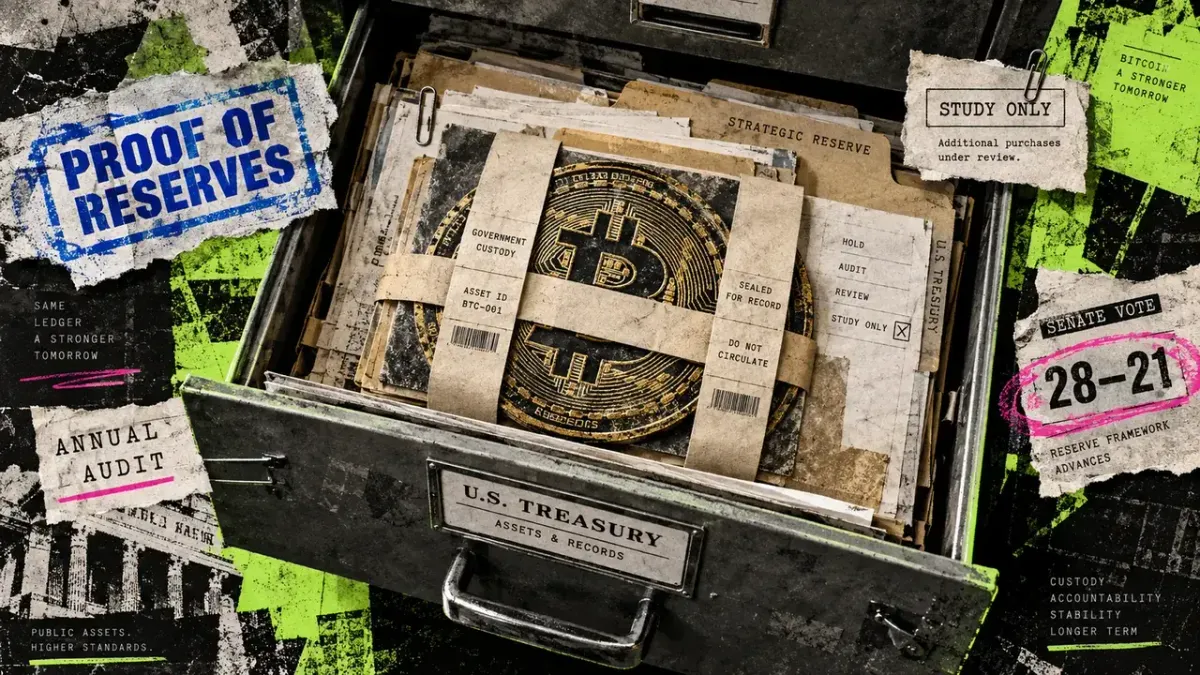
Federal Bitcoin holdings to be frozen for 20 years under new bill

BIS report suggests Bitcoin transfer figures may be six times overstated