BIS report suggests Bitcoin transfer figures may be six times overstated
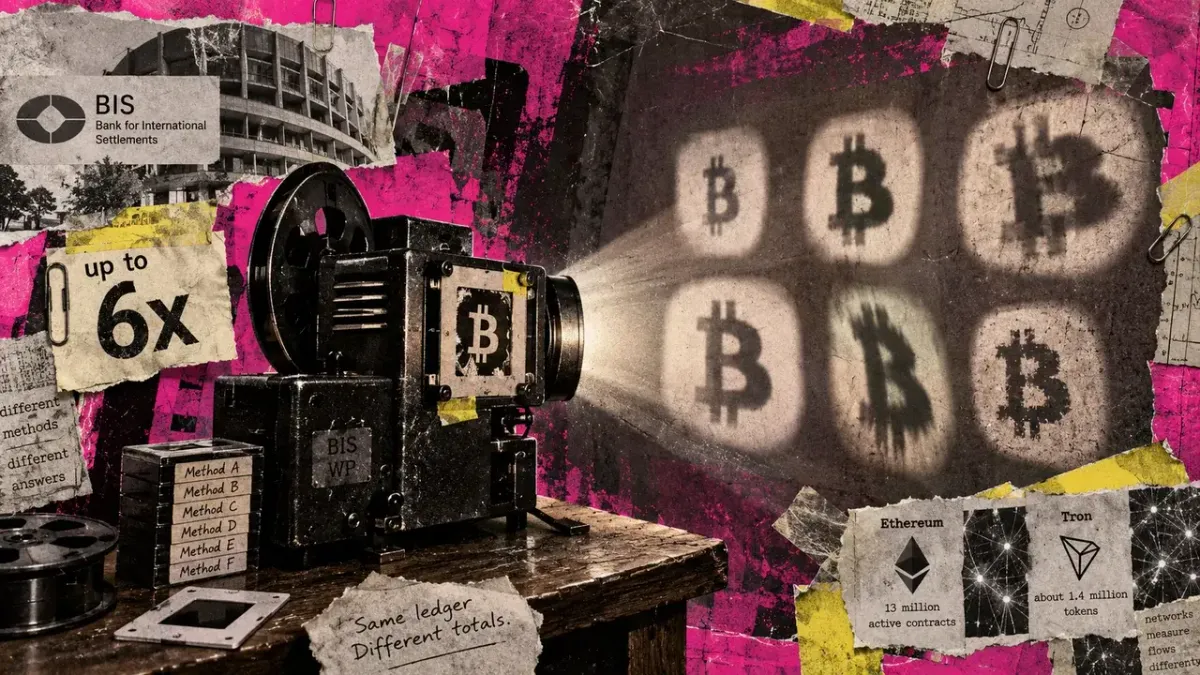
A recent working paper from the Bank for International Settlements (BIS) has unveiled that traditional Bitcoin transfer figures may be grossly inflated–by as much as six times. The report highlights that the increasing prevalence of contracts and the use of cross-chain stablecoins are contributing to an inaccurate representation of Bitcoin's raw activity totals. This revelation raises questions about the true economic activity in the Bitcoin network and how it is measured.
Historically, Bitcoin's transfer figures have been a key indicator of market activity and health. However, the BIS suggests that these figures do not accurately reflect actual economic interactions due to the complexity introduced by various factors, including the proliferation of contracts and the integration of stablecoins across different blockchains. This nuanced understanding of Bitcoin transactions marks a significant shift in how analysts may need to interpret transaction data moving forward.
The implications for the market are substantial. If Bitcoin transfer figures are indeed overstated, this could lead to a misinterpretation of the cryptocurrency's adoption and usage metrics. Investors and stakeholders often rely on these figures to gauge market sentiment and make informed decisions. An overestimation could result in inflated expectations, impacting everything from price movements to regulatory scrutiny.
Industry experts have responded with a mix of concern and intrigue. Many agree that the findings underscore the need for more accurate measuring tools and methodologies in the cryptocurrency space. This could lead to enhanced transparency and better-informed decisions by investors and regulators alike. As the landscape continues to evolve, the BIS paper serves as a crucial reminder of the complexities inherent in quantifying digital asset activity.
Looking ahead, the crypto community may need to adapt to this new understanding of transaction metrics. As more research emerges, we can expect ongoing discussions about how best to measure and interpret blockchain activity. This could pave the way for improved methodologies that accurately reflect the economic reality of Bitcoin and other cryptocurrencies.

CoinMagnetic Team
Crypto investors since 2017. We trade with our own money and test every exchange ourselves.
Updated: September 2026
From our insights:
Related news

SEC advances plans for 24/7 trading amid tokenized securities approval

Tokenized stocks can now trade on public blockchains, SEC clarifies
Federal Bitcoin holdings to be frozen for 20 years under new bill

S&P Global's OpenZeppelin acquisition enhances focus on tokenized finance risk
SEC unveils innovation exemption to modernize capital markets amid stalled crypto legislation