New York AG Seeks $36B From Kalshi Over 'Illegal Gambling'
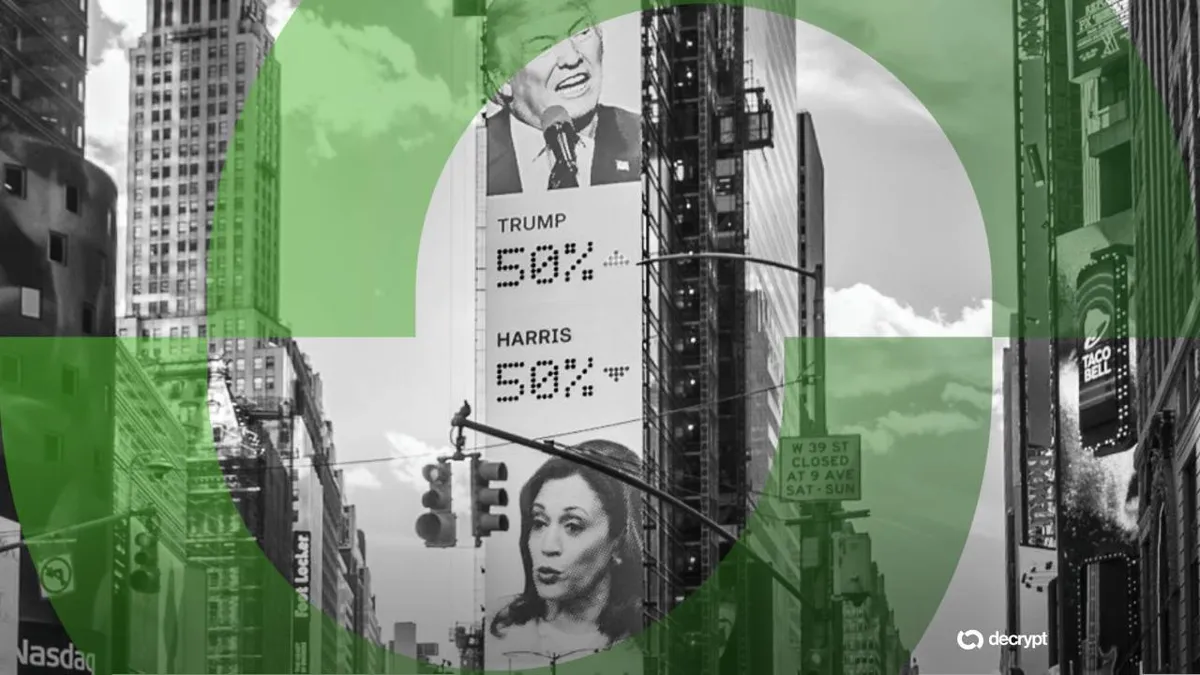
New York Attorney General Letitia James has taken significant action against Kalshi, a prediction market platform, seeking a staggering $36 billion in damages, claiming the platform operates as an illegal gambling entity. This move comes in the wake of regulatory scrutiny surrounding prediction markets, which allow users to bet on the outcomes of various events, ranging from elections to economic indicators. Just a day before this lawsuit was filed, the Commodity Futures Trading Commission (CFTC) requested a court order to prevent New York from enforcing its laws against Kalshi, highlighting the ongoing tensions between state and federal regulatory approaches to cryptocurrency and prediction markets.
The backdrop to this legal confrontation is the evolving landscape of digital finance and the regulatory frameworks that govern it. Prediction markets have long existed in a gray area of the law, straddling the line between gambling and financial trading. Kalshi, which has positioned itself as a legitimate marketplace for event predictions, argues that its operations fall within the bounds of federal regulations. However, New York's aggressive stance reflects a broader concern among state regulators about the potential for consumer harm and the risks associated with unregulated financial instruments.
This legal battle is significant for the market as it underscores the challenges faced by innovative financial platforms operating in a rapidly evolving regulatory environment. The outcome of this case could set a precedent for how prediction markets are treated under both state and federal law. If New York is successful in its claims, it could lead to tighter restrictions on such platforms, potentially stifling innovation and limiting consumer access to alternative investment opportunities. Conversely, a ruling in favor of Kalshi could embolden other prediction markets and similar platforms to operate with greater confidence in the U.S. market.
Industry experts have weighed in on the situation, with many expressing concern over the implications of New York's actions. Some believe this could signal a more aggressive regulatory posture from other states, while others argue that it could push innovation in the prediction market space to jurisdictions with more favorable regulatory environments. The CFTC's involvement also suggests that there may be a federal interest in establishing clearer guidelines for these types of platforms, which could alleviate some of the uncertainty that currently exists.
As the legal proceedings unfold, all eyes will be on the court's interpretation of the law as it pertains to prediction markets. The coming months will likely see heightened scrutiny and engagement from both regulators and market participants as they navigate this complex landscape. If the CFTC's motion to intervene succeeds, it may pave the way for a more cohesive regulatory framework that could benefit both platforms like Kalshi and their users. Ultimately, the outcome of this case could shape the future of prediction markets in the U.S., influencing how they are regulated and perceived by the broader market.

CoinMagnetic Team
Crypto investors since 2017. We trade with our own money and test every exchange ourselves.
Updated: July 2026
From our insights:
Related news

SEC outlines regulated pathway for tokenized stocks in the U.S.

Brookings researchers urge US and China to keep humans in nuclear control
SEC paves way for blockchain trading in $77 trillion US stock market after crypto bill defeat
US sanctions BitBank for facilitating bitcoin payments to IRGC via Hormuz Safe

OpenAI Says It's Made Progress on a Second $1 Million Math Problem