SEC outlines regulated pathway for tokenized stocks in the U.S.

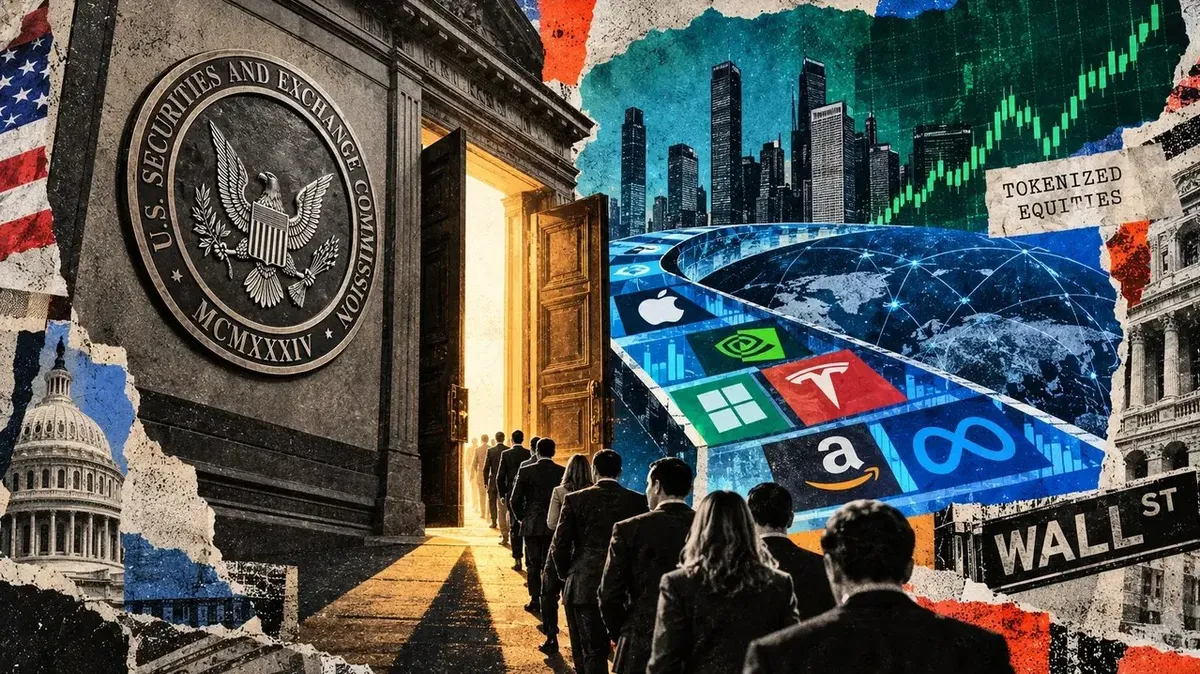
The U.S. Securities and Exchange Commission (SEC) has unveiled its plans to regulate tokenized stocks, marking a significant step towards integrating traditional equities with blockchain technology. This initiative aims to provide a clear framework for how tokenized stocks can be issued, traded, and managed, ensuring that the process aligns with existing securities laws. Under the proposed regulations, the SEC will maintain tight control over trading volumes, access to trading, and the rights of issuers, which is designed to protect investors while fostering innovation in the financial markets.
The rise of tokenized stocks can be traced back to the growing interest in blockchain technology and its potential to transform various industries, including finance. Tokenization refers to the process of converting ownership of real-world assets into digital tokens that can be traded on a blockchain. This trend has been gaining traction as more companies and investors recognize the benefits of liquidity, transparency, and efficiency that blockchain can offer. However, without a regulatory framework, the proliferation of tokenized stocks has faced significant hurdles, leading to the SEC's recent engagement in establishing clear guidelines.
This move by the SEC is crucial for the market as it provides a regulated environment for the trading of tokenized stocks, which could boost investor confidence. By establishing a legal pathway, the SEC is not only legitimizing this new asset class but also potentially increasing participation from institutional investors who have been hesitant to engage with unregulated digital assets. The decision could lead to increased liquidity in the market for tokenized stocks and pave the way for more innovative financial products that leverage blockchain technology.
Industry reactions have been mixed, with some experts applauding the SEC's initiative as a necessary step towards modernizing financial markets, while others express concerns about the restrictive nature of the proposed regulations. Critics argue that the SEC's tight controls may stifle innovation and limit the accessibility of tokenized stocks to a broader audience. Nevertheless, proponents believe that a regulated approach will ultimately benefit the market by providing a safer environment for both investors and issuers.
Looking ahead, the SEC's proposed regulations could set a precedent for how other regulatory bodies around the world approach the tokenization of assets. As the framework develops, market participants will be closely watching for further guidance from the SEC, as well as potential adjustments in response to industry feedback. The successful implementation of these regulations could lead to a new era of tokenized assets, fundamentally altering the landscape of traditional finance.

CoinMagnetic Team
Crypto investors since 2017. We trade with our own money and test every exchange ourselves.
Updated: September 2026
From our insights:
Related news

Brookings researchers urge US and China to keep humans in nuclear control
SEC paves way for blockchain trading in $77 trillion US stock market after crypto bill defeat
US sanctions BitBank for facilitating bitcoin payments to IRGC via Hormuz Safe

OpenAI Says It's Made Progress on a Second $1 Million Math Problem

Stellar activates Protocol 28 as network hits record throughput and RWA value climbs