New Hampshire rejects $100M Bitcoin-backed bond after public finance hearing

New Hampshire recently made headlines by rejecting a proposal for a $100 million Bitcoin-backed bond during a public finance hearing held on July 8. The council's decision hinged on whether the use of Bitcoin as collateral could transition from a credit design into a framework that would receive governmental approval. The initiative aimed to utilize Bitcoin's value to fund state projects, but concerns about the volatility of cryptocurrency and its implications for public finance ultimately led to a negative outcome.
The discussion around Bitcoin-backed bonds is not entirely new–it represents a growing interest in how cryptocurrencies can be integrated into traditional financial systems. The idea of leveraging Bitcoin's market cap to secure debt has been floated in various jurisdictions, reflecting a broader trend where governments explore innovative financing methods. However, the skepticism surrounding cryptocurrencies, particularly their price volatility and regulatory standing, has resulted in apprehension among lawmakers and financial experts.
This rejection is significant for the broader market as it underscores the challenges cryptocurrencies face in gaining acceptance at the institutional level. While Bitcoin has been hailed as a revolutionary form of currency, its use in public finance remains contentious. The inability to secure this bond may deter other states from pursuing similar initiatives, reinforcing the notion that, despite Bitcoin's potential, inherent risks continue to loom large in the minds of decision-makers.
Industry reactions have highlighted a mix of disappointment and understanding. Experts in the crypto space have pointed out that while the rejection may be a setback, it also serves as a lesson in the need for clearer regulatory guidelines and frameworks for integrating digital assets into public finance. Some proponents argue that the volatility of Bitcoin can be mitigated through various financial instruments, yet the cautious approach taken by New Hampshire reflects a wider hesitation that could influence future proposals.
Looking ahead, the outcome in New Hampshire may lead to increased discussions surrounding the regulatory landscape for cryptocurrencies. As more states consider similar financial strategies, the need for comprehensive policies and risk assessments will become even more critical. The crypto community remains hopeful that continued dialogue will pave the way for innovative solutions that can balance the benefits of digital assets with the safeguards required by public finance.

CoinMagnetic Team
Crypto investors since 2017. We trade with our own money and test every exchange ourselves.
Updated: July 2026
From our insights:
Related news
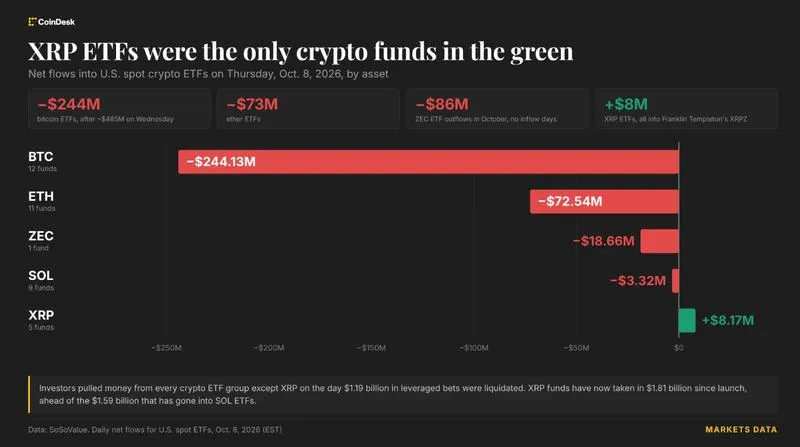
XRP ETFs shine as BTC and ZEC funds see significant outflows on Thursday

ETH liquidations hit $356 million, six times higher than Bitcoin's rate

Thailand finalizes rules paving way for Bitcoin, Ether ETFs

Manus secures $500 million following China’s rejection of Meta deal

Google Cloud's Gemini aims to function as a virtual coworker with its own inbox