Hyundai becomes first major South Korean company to introduce internal stablecoin transfers

Hyundai has made headlines by becoming the first major South Korean company to introduce internal stablecoin transfers within its operations. This innovative initiative is part of a broader effort to enhance financial efficiency and streamline cross-border transactions. By utilizing stablecoins, Hyundai aims to reduce the costs and time associated with traditional bank transfers, which can often be slow and laden with fees. The company’s move signals a significant shift towards the integration of blockchain technology and digital currencies in the corporate landscape, as it seeks to leverage the benefits of stablecoins for its international operations.
The context surrounding this development is rooted in the growing interest from businesses in utilizing digital currencies for various operational needs. Over the past few years, there has been a notable increase in the exploration of stablecoins among large corporations, particularly those operating on a global scale. Companies are recognizing that stablecoins, which are pegged to fiat currencies, can offer a more stable and efficient means of transferring value compared to conventional cryptocurrencies. This trend is further accelerated by the need for faster transaction speeds and reduced reliance on traditional banking systems, especially in a post-pandemic world where digital solutions are increasingly prioritized.
This move by Hyundai is significant for the broader market as it underscores the increasing acceptance of stablecoins in mainstream business operations. As a major player in the automotive industry, Hyundai's foray into stablecoin transfers could encourage other corporations to explore similar avenues, potentially leading to a wider adoption of digital currencies in various sectors. It may also influence regulatory discussions in South Korea and beyond, as governments observe how major companies implement these technologies and the impact they have on financial systems. The implications for the market could be substantial, as greater corporate involvement in stablecoins may drive innovation and contribute to the maturation of the crypto landscape.
Industry reactions have been mixed yet largely positive. Experts in the blockchain and finance sectors have lauded Hyundai’s initiative as a forward-thinking approach that reflects a growing trend among businesses looking to modernize their financial operations. Some analysts suggest that this could pave the way for increased collaboration between traditional financial institutions and blockchain technology, fostering a more integrated approach to finance. However, there are also cautions regarding the regulatory environment, as the use of stablecoins continues to evolve and face scrutiny from authorities concerned about potential risks and compliance issues.
Looking ahead, we can anticipate that Hyundai’s decision will spark further discussions on the regulatory framework surrounding stablecoins in South Korea. As other companies observe the outcomes of Hyundai's implementation, we may witness a wave of similar initiatives across different industries. The success or challenges faced by Hyundai will likely serve as a case study for other firms contemplating the integration of stablecoins into their financial practices. The next steps for Hyundai will involve monitoring the effectiveness of their stablecoin transfers and potentially expanding their use as they gather data on performance and regulatory compliance.

CoinMagnetic Team
Crypto investors since 2017. We trade with our own money and test every exchange ourselves.
Updated: July 2026
From our insights:
Related news
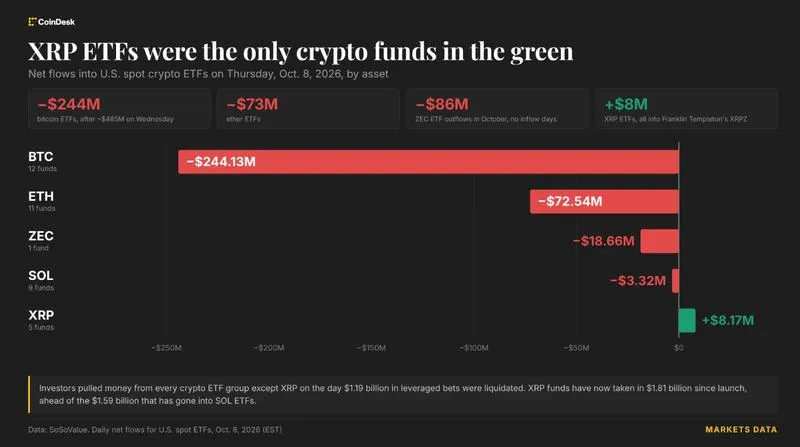
XRP ETFs shine as BTC and ZEC funds see significant outflows on Thursday
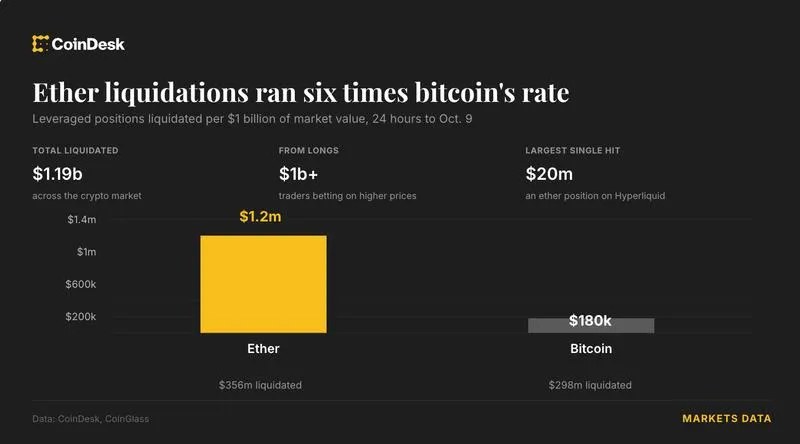
ETH liquidations hit $356 million, six times higher than Bitcoin's rate

Thailand finalizes rules paving way for Bitcoin, Ether ETFs

Manus secures $500 million following China’s rejection of Meta deal

Google Cloud's Gemini aims to function as a virtual coworker with its own inbox