Full-page WSJ ad raises questions on tokenized stocks and Securitize response
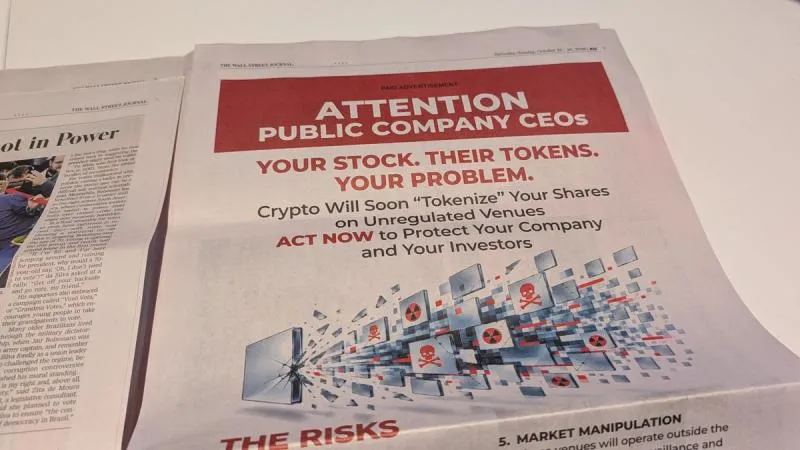
A recent full-page advertisement in the Wall Street Journal has ignited a new debate surrounding tokenized stocks. The ad, which serves as a warning to CEOs about the potential pitfalls of engaging in tokenized stock trading, has stirred curiosity and concern within the financial and crypto markets. The anonymity surrounding the funding for this ad has further fueled speculation, highlighting the ongoing tension between traditional finance and the burgeoning world of tokenized assets.
Tokenized stocks have gained traction in recent years as a way to digitize traditional equity, allowing for fractional ownership and increased accessibility. However, this new form of trading has also raised regulatory and operational challenges. The advertisement's call to action for CEOs to reconsider their participation in this space suggests that there are significant concerns about the legal implications and market volatility associated with tokenized assets. The emergence of this ad indicates that the conversation around tokenization is far from settled and remains a contentious topic among industry leaders.
The implications of this ad for the market are profound. It highlights a growing divide between traditional financial institutions and the innovative approaches offered by blockchain technology. As tokenized stocks present both opportunities and risks, the warning could deter some companies from exploring this avenue, potentially stifling innovation in the sector. The reaction from the market and industry participants will be crucial in determining the future landscape of tokenized trading and how it will coexist with established financial systems.
Industry reactions have varied, with some experts defending the benefits of tokenization and others echoing the concerns raised in the advertisement. Securitize, a firm known for its work in the tokenized asset space, responded publicly to the ad, reaffirming its commitment to compliance and transparency. This divergence of opinions reflects the complexity of the issue and the need for ongoing dialogue and collaboration between traditional financial entities and innovative blockchain companies.
Looking ahead, the fallout from this advertisement may prompt further discussions on regulatory frameworks governing tokenized assets. With the interest in digital securities continuing to grow, stakeholders will likely seek clarity on the legal landscape to ensure the safe and effective integration of tokenized stocks into the broader financial ecosystem. As the debate unfolds, it will be essential to monitor how both sides of the argument evolve and what impact this will have on the future of tokenization.

CoinMagnetic Team
Crypto investors since 2017. We trade with our own money and test every exchange ourselves.
Updated: October 2026
From our insights:
Related news

Upwind reaches a $3.8 billion valuation following a $400 million funding round

DeFi Education Fund argues crypto should not be a partisan battleground
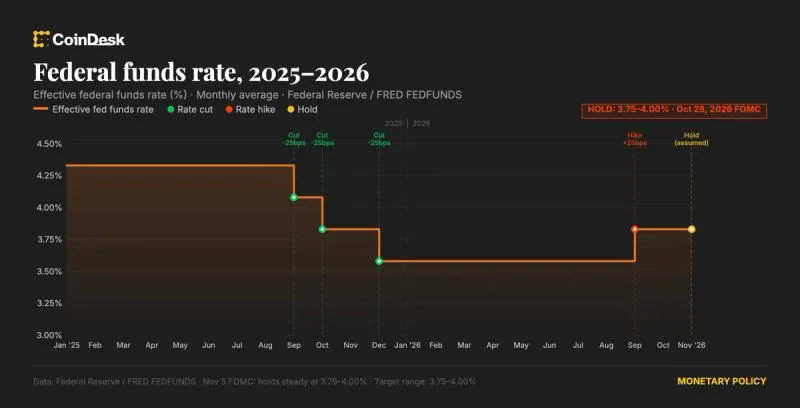
Federal Reserve holds interest rates steady while inflation stays above target

Phantom introduces CFTC-regulated prediction markets via Kalshi integration

Post-Clarity Act landscape could reshape congressional crypto oversight