DeFi Education Fund argues crypto should not be a partisan battleground
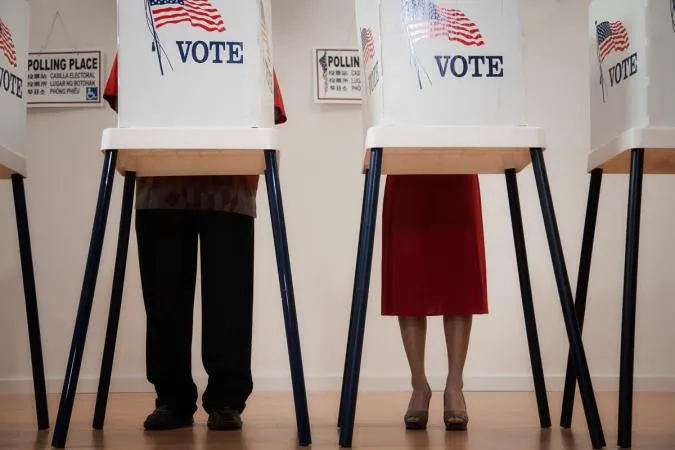
We have watched digital assets increasingly get pulled into the political arena, but a fresh perspective from the DeFi Education Fund suggests this division misses the larger picture. Jennifer Rosenthal recently argued that treating cryptocurrency as a partisan issue actively harms the development of the financial infrastructure that many Americans actually want to see built. According to this viewpoint, focusing on political tribalism distracts from the core mission of creating secure, transparent, and domestically produced financial systems.
This debate arrives at a time when regulatory scrutiny and legislative proposals in Washington have largely fallen along party lines, creating an atmosphere of uncertainty for developers and investors alike. Historically, technological innovation tends to thrive best when clear, stable frameworks are established without the constant pendulum swings of changing political majorities. The underlying technology of blockchain is inherently neutral, yet the public discourse surrounding it frequently adopts the polarized tone typical of modern political debates.
For the broader market, moving past partisan squabbling matters significantly because regulatory clarity depends on bipartisan consensus. When digital assets become a political wedge issue, institutional participants and retail users both face prolonged ambiguity that stifles adoption and domestic innovation. Building a resilient financial system requires cooperation from lawmakers across the political spectrum to ensure that rules protect consumers while allowing open networks to grow within the United States.
Industry reactions to the ongoing political posturing have generally emphasized the need for education and direct engagement with policymakers from both parties. Many advocates point out that constituents across demographic and political divides already utilize digital assets, proving that interest in decentralized finance is not limited to any single voting bloc. Experts argue that bridging this political gap is essential if the industry wants to secure lasting legislative frameworks that prevent capital and talent from fleeing to more welcoming foreign jurisdictions.
Looking ahead, the primary challenge for the sector will be reframing the conversation around tangible economic benefits rather than abstract political ideology. As upcoming policy decisions loom, industry participants are stepping up efforts to educate lawmakers on the practical utilities of blockchain technology. Success in these endeavors will ultimately determine whether the United States can foster a competitive, American-made financial architecture in the years to come.

CoinMagnetic Team
Crypto investors since 2017. We trade with our own money and test every exchange ourselves.
Updated: October 2026
From our insights:
Related news
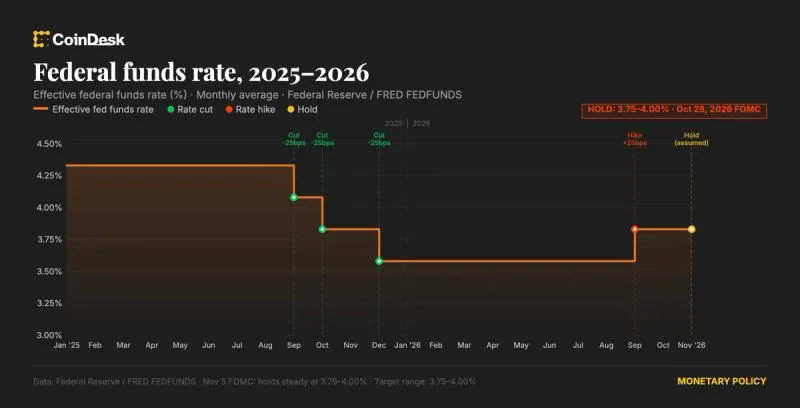
Federal Reserve holds interest rates steady while inflation stays above target

Phantom introduces CFTC-regulated prediction markets via Kalshi integration

Post-Clarity Act landscape could reshape congressional crypto oversight

Google Cloud outlines MPC service for institutional Bitcoin custody

Comer demands Delaware documents by November 9 over proposed AI corporate framework