Morning Minute: Nine Blue Chip Companies Say No to Tokenized Stocks

Recent reports reveal that nine major blue chip companies have formally declined to participate in tokenized stock initiatives. This resistance from established corporate entities touches directly on the burgeoning sector of real-world asset tokenization, raising urgent questions about the immediate viability of blockchain-based equities. While proponents have long championed tokenization as the next logical step for traditional financial instruments, these corporate objections suggest that mainstream adoption may face steeper hurdles than anticipated.
Tokenized stocks aim to represent shares of publicly traded companies on distributed ledger technology, offering the potential for round-the-clock trading, fractional ownership, and automated settlement through smart contracts. Over the past year, various crypto platforms and fintech startups have pushed to bridge traditional equities with blockchain infrastructure. However, this model relies heavily on the cooperation or at least the acquiescence of the underlying issuers whose shares are being tokenized and mirrored on-chain.
For the broader digital asset market, this pushback matters significantly because it highlights a growing tension between traditional corporate governance and decentralized finance initiatives. Many market participants viewed tokenized equities as a major bridge that could attract institutional capital and mainstream retail users alike. When blue chip firms balk at having their shares represented in tokenized formats, it can stall momentum across the entire category and force developers to rethink their compliance and legal frameworks.
Industry reactions to the news have been mixed, with some experts noting that corporate hesitation is a natural part of introducing disruptive financial technology. Analysts point out that legal uncertainties regarding shareholder rights, dividend distributions, and regulatory oversight under watchdogs like the Securities and Exchange Commission remain unresolved. Without clear guidelines, risk-averse corporate boards are naturally inclined to protect their existing shareholder registries and avoid experimental secondary markets.
Looking ahead, the development of tokenized stocks will likely depend on how platforms address these legitimate corporate concerns and whether regulatory clarity emerges in key jurisdictions. If issuers continue to push back, the sector may need to pivot toward alternative real-world assets such as commodities, bonds, or private equity where resistance from public boards is less of a barrier. We will continue monitoring how this standoff shapes the intersection of traditional finance and blockchain innovation.

CoinMagnetic Team
Crypto investors since 2017. We trade with our own money and test every exchange ourselves.
Updated: October 2026
From our insights:
Related news

France targets stablecoin trades with a 31% capital gains tax starting in 2027

Mt. Gox extends creditor repayment deadline to 2027 amid ongoing issues

South Korea KOSPI index drops nearly 4 percent as Elice tumbles in weak IPO debut
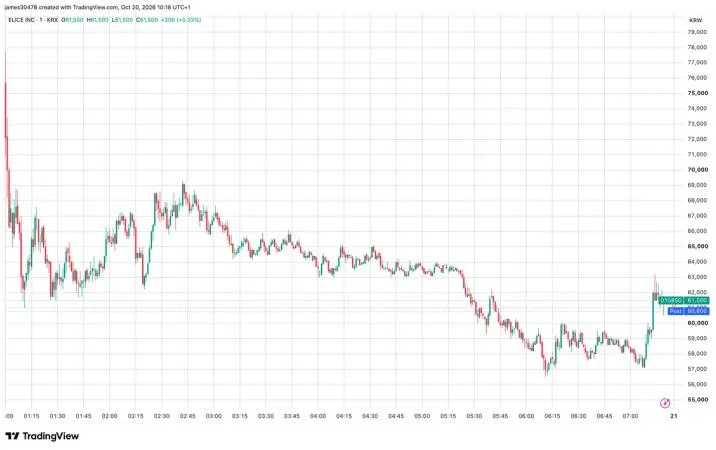
Elice debut slump and Brent crude above $111 heighten market unease

JPMorgan forecasts bitcoin gains will beat US equities and gold