France targets stablecoin trades with a 31% capital gains tax starting in 2027

We have been closely following developments out of France, where the national parliament recently approved a controversial vote to subject stablecoin trades to a steep 31% capital gains tax. Specifically, Amendment I-3898 removes the existing tax deferral protections that were previously expected to benefit Markets in Crypto-Assets, or MiCA, compliant stablecoins. This legislative shift means that traders and investors will face significant tax liabilities upon converting or trading these digital assets starting January 2027, marking a notable departure from how stablecoins have traditionally been treated under French financial regulations.
To understand the weight of this decision, we need to look at the broader regulatory landscape surrounding digital assets in Europe. MiCA has long been hailed as a harmonized framework designed to bring legal certainty and stability to the crypto sector across member states. Until now, many in the industry anticipated that fully compliant stablecoins would enjoy a smoother regulatory ride, potentially avoiding punitive taxation that could stifle adoption. By stripping away the tax deferral for these instruments, French lawmakers are signaling a much stricter approach to digital currencies than some of their European counterparts had hoped for.
For the wider crypto market, this move matters because France is positioning itself as a strict financial enforcer within the European Union. Stablecoins serve as the primary liquidity bridge between volatile cryptocurrencies and traditional fiat, facilitating everything from day trading to decentralized finance protocols. Imposing a 31% capital gains tax on these transactions could severely dampen trading volumes within the jurisdiction and discourage local startups from building around stablecoin infrastructure. Market participants are already weighing whether this policy will drive liquidity toward other European hubs with more accommodating tax interpretations.
Industry reactions have been swift, with numerous fintech advocates and crypto associations expressing concern over the economic impact of the vote. Critics argue that treating stablecoins, which are pegged to fiat currencies and meant to maintain a stable value, the same as high-growth equities or volatile tokens ignores their functional reality as medium-of-exchange tools. Experts point out that calculating capital gains on frequent, low-value stablecoin trades will create an administrative nightmare for everyday users and tax authorities alike, potentially pushing trading activity into decentralized or offshore venues.
Looking ahead, the implementation date of January 2027 leaves a window of time for lobbying and potential legislative adjustments as the broader MiCA framework continues to roll out across the bloc. We will continue monitoring how the French Senate and European regulators respond to the backlash from the digital asset community. As the deadline approaches, French crypto holders and businesses must prepare for a fundamentally altered tax environment that could reshape how stablecoins are utilized in day-to-day commerce and investment strategies.

CoinMagnetic Team
Crypto investors since 2017. We trade with our own money and test every exchange ourselves.
Updated: October 2026
From our insights:
Related news

Morning Minute: Nine Blue Chip Companies Say No to Tokenized Stocks

Mt. Gox extends creditor repayment deadline to 2027 amid ongoing issues

South Korea KOSPI index drops nearly 4 percent as Elice tumbles in weak IPO debut
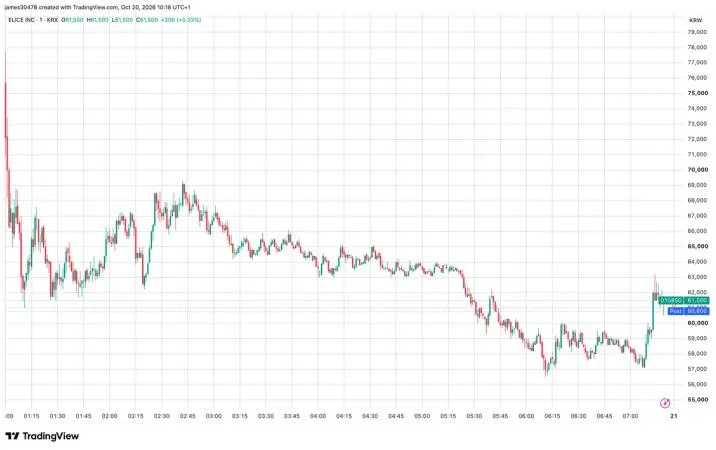
Elice debut slump and Brent crude above $111 heighten market unease

JPMorgan forecasts bitcoin gains will beat US equities and gold