Morning Minute: Meta Is Building a Prediction Market
Meta has recently announced its foray into the world of prediction markets, a development that has sparked interest across the crypto landscape. As the tech giant moves to leverage its vast user base and advanced algorithms, it aims to create a platform where users can bet on the outcomes of various events–ranging from sports to politics. This initiative is part of Meta’s broader strategy to integrate blockchain technology and decentralized finance into its ecosystem, potentially disrupting traditional betting markets and creating new avenues for engagement within its platforms.
To understand the significance of Meta’s prediction market, it is essential to consider the context of the current regulatory and technological environment. Prediction markets, though not new, have faced various legal challenges in the past, particularly concerning gambling laws and the Securities Exchange Act. With the growing acceptance of cryptocurrencies and decentralized finance, Meta's entry may signal a shift in how these markets are perceived. The tech giant's involvement could potentially pave the way for more mainstream adoption and regulatory clarity, especially in jurisdictions where such markets have been historically restricted.
The implications of Meta’s prediction market for the broader crypto market are noteworthy. By entering this space, Meta not only legitimizes prediction markets but also may attract a new demographic of users to cryptocurrency and blockchain technology. Increased participation could lead to greater liquidity and innovation within the sector. Furthermore, this move could set a precedent for other tech firms to explore similar opportunities, expanding the scope of digital assets and decentralized applications.
Industry experts have had varied reactions to Meta's announcement. Some see it as a groundbreaking step that could usher in a new era of engagement and utility for cryptocurrencies, while others express concern about the implications of a centralized entity controlling a prediction market. Arthur Hayes, a notable figure in the crypto space, has articulated a bullish case for the CARDS token, which could become integral to the functioning of Meta's platform. Meanwhile, the Clarity Act, aimed at providing regulatory certainty for digital assets, faces unexpected opposition, highlighting the complex interplay between innovation and regulation in the crypto world.
Looking ahead, it remains to be seen how Meta's prediction market will be received by users and regulators alike. The success of this venture will depend not only on its execution but also on how it navigates the intricate regulatory landscape that has historically challenged similar initiatives. As the platform develops, it could lead to significant shifts in both the market dynamics of prediction markets and the broader acceptance of cryptocurrencies in everyday applications. The coming months will be crucial in determining the trajectory of this innovative endeavor.

CoinMagnetic Team
Crypto investors since 2017. We trade with our own money and test every exchange ourselves.
Updated: June 2026
From our insights:
Related news

Fomopeek app exploits iOS vulnerabilities to steal $580,000 in USDT

DeepSeek to address UN Security Council on AI risks alongside Dario Amodei

Lummis blames Democrats for failed crypto Clarity Act vote
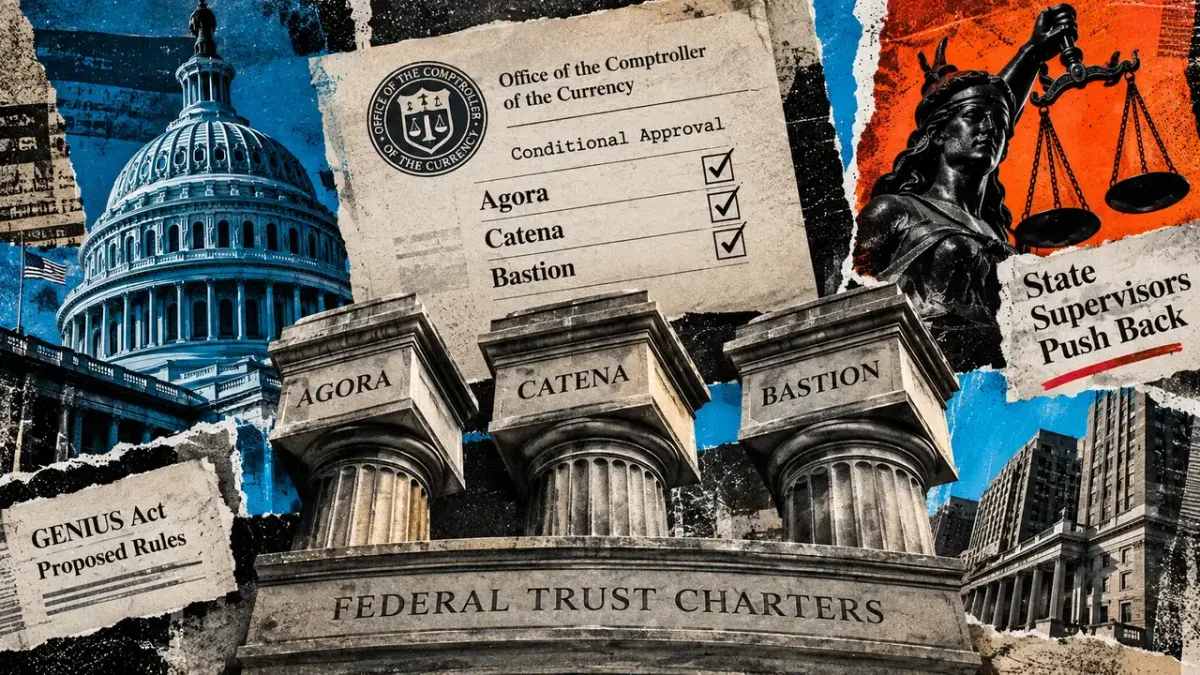
Federal approval won’t guarantee success for Agora, Catena, and Bastion

Regulatory clarity on crypto relies on officials, not Congress, says White House