Mira Murati’s Inkling AI Model Review: Best Open-Source Model in the West

Mira Murati's Inkling AI model has recently made its debut on OpenRouter, marking a significant return for Thinking Machines Lab after two years of relative silence. This much-anticipated launch has generated considerable buzz within the AI community, with early reviews praising its capabilities. The Inkling model has achieved an impressive MCP (Model Capability Performance) score, indicating its effectiveness in various tasks. However, the analysis of its price-to-performance ratio reveals a more nuanced picture, suggesting that while the model excels in functionality, the cost may not be as straightforward as some might hope.
To understand the significance of this launch, it's essential to consider the context surrounding Thinking Machines Lab and Murati herself. Known for her innovative contributions to the AI field, Murati has been a prominent figure in developing transformative technologies. The two-year hiatus from the lab raised questions about its future, leading many to speculate about potential advancements or shifts in focus. The release of Inkling represents not only a return to form but also a strategic move to re-establish the lab's position in an increasingly competitive landscape.
The implications of the Inkling model for the broader market are noteworthy. As open-source models gain traction, the introduction of a high-performing option like Inkling could spur innovation among developers and researchers. The model's impressive MCP score may encourage other companies to invest in similar technologies, potentially leading to a wave of advancements in AI capabilities. However, the complex price-to-performance dynamics could also serve as a cautionary tale, reminding stakeholders that high performance does not always equate to cost-effectiveness.
Industry reactions to the release have been varied, with experts weighing in on both its strengths and potential drawbacks. Some analysts laud the model's performance, emphasizing the importance of open-source options in democratizing access to advanced AI technologies. Others, however, caution that the intricate pricing structure could limit its adoption, particularly among smaller organizations or individual developers. This mixed feedback highlights the ongoing debate within the tech community about balancing innovation with accessibility.
Looking ahead, the future of Inkling will be closely watched as developers begin to integrate it into their projects. The initial reception may set the tone for future updates and iterations of the model, as well as for other offerings from Thinking Machines Lab. If the Inkling model can successfully navigate the complexities of its pricing while maintaining its performance edge, it may well cement its place as a leading open-source option in the West, shaping the trajectory of AI development for years to come.

CoinMagnetic Team
Crypto investors since 2017. We trade with our own money and test every exchange ourselves.
Updated: July 2026
From our insights:
Related news

Google Quietly Updates Privacy Policy to Let Gmail and Photos Data Feed Ads
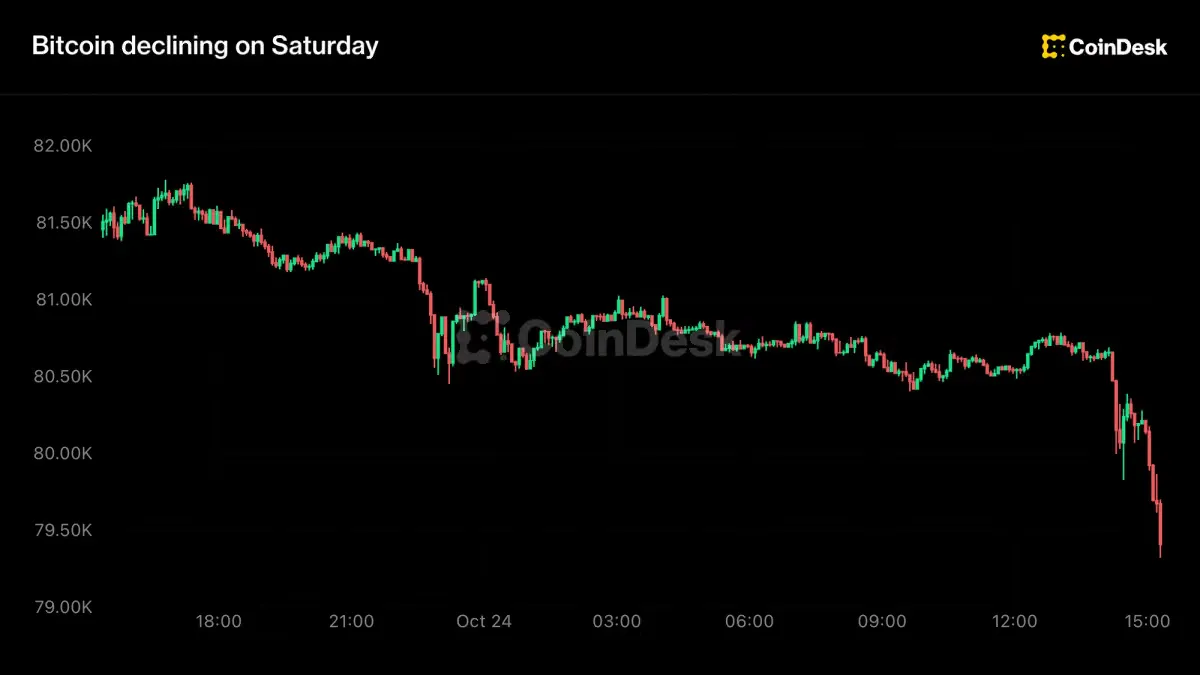
Bitcoin falls below $80,000 as U.S. evacuations heighten market pressure

Call of Duty studio discussed dropping physical discs as early as 2007

Xapo Bank CEO sees wealthy bitcoin holders favoring loans and yield strategies

IRS program overhaul targets reduced penalties for crypto and other tax violations