New York City schools restrict generative AI use for 600,000 students for a year

New York City’s education department has announced a one-year moratorium on the use of generative AI tools in schools, impacting nearly 600,000 students. This decision will limit access to these innovative technologies, which have been increasingly integrated into educational settings for their potential to enhance learning experiences. However, the moratorium allows five selected vendors to maintain metered pilot programs in high schools, suggesting a cautious approach to the integration of AI in education while still exploring its possibilities.
This initiative comes amid growing concerns about the implications of generative AI in educational environments. Critics have raised alarms about issues such as academic integrity, data privacy, and the potential for misinformation. The decision to impose a moratorium reflects a desire to carefully assess the impact of these technologies before fully integrating them into the classroom. This move has been influenced by ongoing debates among educators, policymakers, and technologists about the ethical considerations surrounding AI in education.
The moratorium is significant as it underscores the balancing act that educational institutions face in adopting new technologies while safeguarding the integrity of the learning environment. For the market, this could signal a more cautious approach to the deployment of AI in educational settings, which may influence other districts and states considering similar measures. The decision could also impact the business models of companies developing AI tools tailored for educational use, as they may need to adjust their strategies in response to regulatory landscapes.
Industry reactions to this announcement have been mixed. Some educators and technologists support the pause, emphasizing the necessity of ensuring that AI tools are used responsibly and effectively in educational contexts. Others express concern that such restrictions could hinder innovation and limit students’ exposure to valuable learning tools. Experts suggest that a more balanced approach, which includes robust guidelines and training for both educators and students, could be a way forward.
Looking ahead, it will be essential to monitor how the pilot programs with the five selected vendors unfold over the year. Their outcomes may provide valuable insights into the efficacy and challenges of generative AI in education. As the moratorium progresses, stakeholders will likely engage in ongoing discussions to develop a framework that allows for the safe and beneficial use of AI technologies in schools, potentially setting a precedent for other districts across the country.

CoinMagnetic Team
Crypto investors since 2017. We trade with our own money and test every exchange ourselves.
Updated: September 2026
From our insights:
Related news

Bitwise eyes $100,000 bitcoin finish while LO:TECH flags inflation risks

Cysic crypto bridge halted after unauthorized mint of 10M CYS
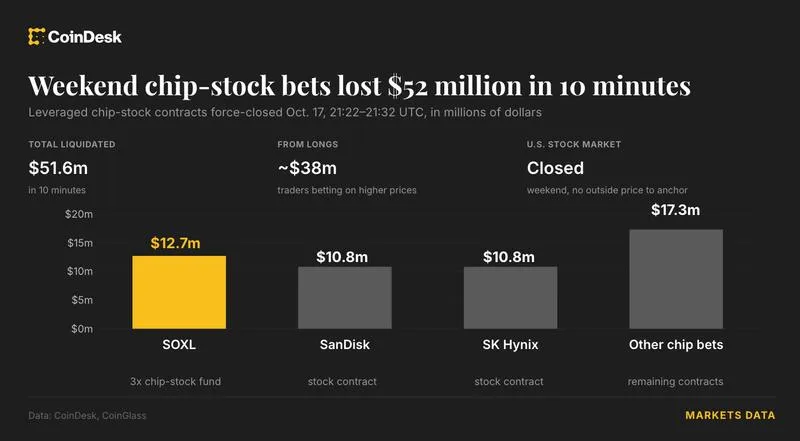
Traders lose $52 million on chip-stock contracts in 10 minutes during market closure

Turkey confirms Hex founder Richard Heart’s arrest, says police seized $7.15 million and six cold wallets
Defend American Jobs commits another $7 million to unseat Ohio Senator Sherrod Brown