Malaysia shuts down Balaji Srinivasan’s Network School in Forest City
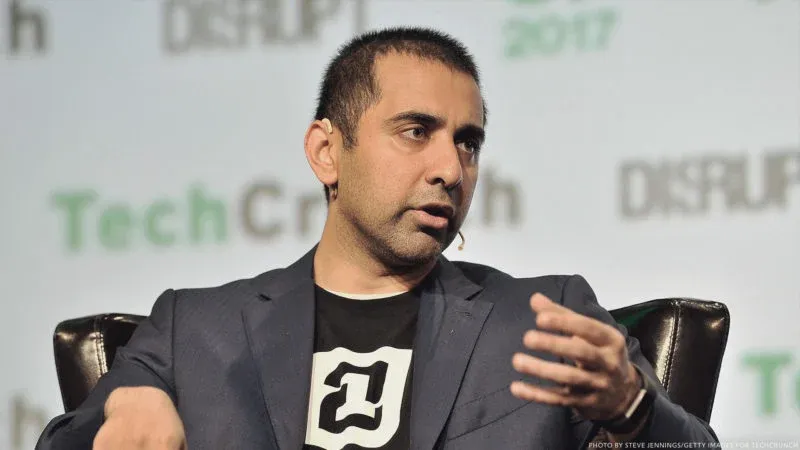
In a significant development within the crypto and digital nomad communities, Malaysia has officially revoked the license of Network School, an initiative founded by Balaji Srinivasan. The Malaysian authorities ordered the operation to cease as of July 22, citing regulatory concerns. Network School aimed to create a digital nomad commune in Forest City, promoting a lifestyle that merges work and travel in a tech-friendly environment. The school’s closure highlights the ongoing scrutiny that crypto-related ventures are facing in various jurisdictions around the world.
To understand the implications of this decision, it is essential to recognize the broader context of regulatory challenges faced by crypto initiatives. Malaysia has been increasingly vigilant in ensuring that the operations of digital currencies and related services comply with local laws. This move comes amid a global trend where governments are tightening regulations on crypto businesses, particularly those that promote decentralized or unconventional models. Network School's ambitious vision of fostering a community for digital nomads aligned with the ethos of decentralized technology but evidently clashed with local regulatory frameworks.
The revocation of Network School's license is a significant event for the market, as it underscores the precarious balance between innovation and regulation. For many in the crypto space, such closures serve as a reminder of the potential repercussions of operating outside established legal frameworks. Investors and entrepreneurs may reconsider their strategies and operational designs, opting for jurisdictions perceived as more hospitable to crypto innovation. This could lead to a temporary slowdown in the establishment of similar ventures while stakeholders reassess compliance and regulatory approaches.
Industry reactions to the closure have been mixed. Some experts argue that the move reflects a necessary step towards protecting consumers and ensuring that projects adhere to the rule of law. Others, however, view it as a setback for the burgeoning digital nomad lifestyle and the potential economic benefits it could bring. Balaji Srinivasan himself has been a prominent advocate for decentralized living and innovation, and his followers may see this as a blow to the broader movement advocating for more freedom in how individuals work and live.
Looking ahead, the future of initiatives like Network School remains uncertain. The closure may prompt Srinivasan and other proponents of the digital nomad lifestyle to explore new locations or adapt their models to better fit regulatory environments. As the global landscape for crypto and digital nomadism continues to evolve, stakeholders will likely be watching closely to see how similar ventures navigate the complexities of law and innovation. The potential for future endeavors remains, but they will need to prioritize compliance to avoid similar fates.

CoinMagnetic Team
Crypto investors since 2017. We trade with our own money and test every exchange ourselves.
Updated: July 2026
From our insights:
Related news

Bitfinex notes treasury accumulation may return as bitcoin prices climb

Strive secures $369 million from warrants to fund its latest $335 million bitcoin purchase

SkyAI liquidates entire Solana treasury to fund $201 million share repurchase

Tether CEO defends stablecoin operations against US Senate illicit finance probe

Visa and Mesh join forces for crypto spending at 175 million merchants