Tether CEO defends stablecoin operations against US Senate illicit finance probe
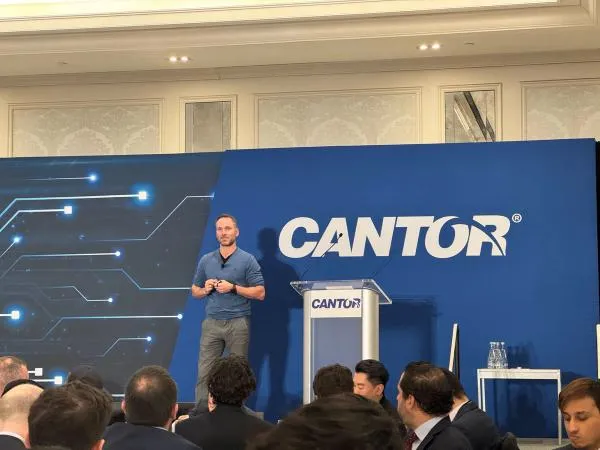
Here at CoinMagnetic, we have been following the recent developments surrounding Tether and its leadership as the stablecoin issuer faces intense scrutiny from United States lawmakers. Tether CEO Paolo Ardoino has publicly pushed back against a congressional inquiry, arguing that the investigation overlooks the positive compliance work the firm has undertaken. Specifically, Ardoino pointed to efforts that have successfully driven down illicit financial volumes linked to Iran, challenging the narrative that the company turns a blind eye to bad actors.
This friction highlights the ongoing tension between centralized cryptocurrency businesses and global regulators who are increasingly focused on how digital assets are utilized across sanctioned jurisdictions. Stablecoins have grown exponentially in transaction volume over recent years, transforming them into a foundational layer for both legitimate commerce and, occasionally, illicit financial flows. Lawmakers have expressed concerns that these digital tokens can bypass traditional banking controls, leading to heightened demands for transparency and tighter anti-money laundering frameworks from issuers.
For the broader crypto market, this ongoing dialogue matters deeply because Tether's USDT remains the most traded asset in the entire digital economy. Any regulatory disruption or punitive action against the issuer could send shockwaves across major exchanges and liquidity pools, affecting everything from decentralized finance protocols to everyday trading pairs. Market participants are acutely aware that stablecoin dominance makes the firm a central pillar of industry stability, meaning regulatory pressure on Tether reverberates through every corner of the ecosystem.
Industry observers and legal experts have noted that stablecoin issuers are caught in a difficult transitional phase as they try to balance user privacy with stringent global compliance standards. While critics argue that issuers must do more to monitor secondary market movements and freeze addresses associated with illicit entities, defenders emphasize the proactive measures companies like Tether take alongside law enforcement agencies. These collaborative efforts often involve freezing millions of dollars in compromised funds, yet policymakers continue to push for more robust oversight.
As this regulatory standoff continues, we expect the spotlight on stablecoin transparency and reserve management to intensify in the coming months. Lawmakers are unlikely to ease their demands for accountability, forcing issuers to further refine their compliance mechanisms and communication strategies. For Tether, proving its effectiveness in curbing unauthorized use while maintaining its massive market share will remain a critical challenge as global financial watchdogs sharpen their focus on the sector.

CoinMagnetic Team
Crypto investors since 2017. We trade with our own money and test every exchange ourselves.
Updated: October 2026
From our insights:
Related news
Visa and Mesh join forces for crypto spending at 175 million merchants

Revolut obtains Gibraltar regulatory nod to fuel international growth
Metaplanet plans Super League acquisition to tap into US capital markets

Mesh partners with Visa to enable direct crypto spending from wallet apps

Bitcoin faces stiff selling pressure at $83K as US bond yields climb