Ledger details how covert chip in CryptoBilis devices exfiltrated wallet keys
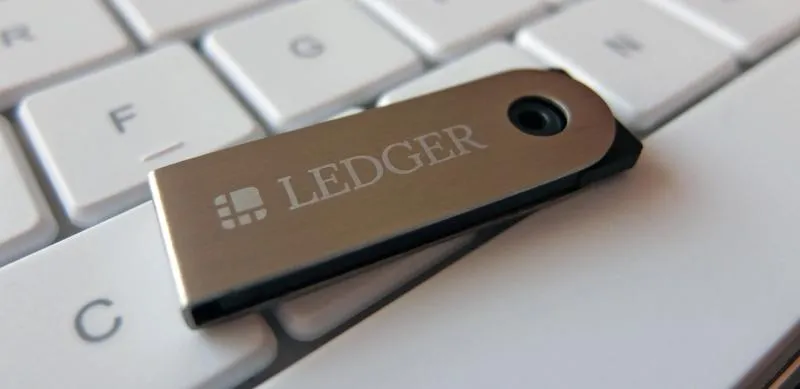
At CoinMagnetic, we have been following the hardware-wallet security space closely, and a recent development from Ledger has shed light on a sophisticated supply-chain attack. The hardware-wallet manufacturer provided its first public account explaining how a covert chip, often referred to as a spy chip, was integrated into devices sold by a third-party reseller named CryptoBilis. According to Ledger's findings, this hidden component was capable of harvesting and transmitting users master keys directly over a mobile network, all without altering the official Ledger firmware or software.
This incident brings renewed attention to the risks associated with buying hardware wallets from unauthorized or secondary vendors. While direct purchases from manufacturers generally guarantee supply-chain integrity, secondary markets and unauthorized resellers introduce vulnerabilities that are difficult for everyday users to detect. The modification discovered in the CryptoBilis devices demonstrates a high level of physical tampering, where malicious hardware was engineered to bypass software-level security guarantees entirely.
For the broader cryptocurrency market, this revelation matters because physical custody is often promoted as the gold standard for security. When hardware devices themselves are compromised before reaching the end user, it undermines public trust in self-custody solutions. Investors are constantly reminded that owning your keys is only as secure as the device generating them, and supply-chain compromises show that hardware integrity cannot be blindly assumed.
Industry experts and security researchers have weighed in on the incident, emphasizing the growing sophistication of hardware-level attacks. As cryptocurrency values remain high, malicious actors have stronger financial incentives to intercept and tamper with physical devices during distribution. Security analysts are now urging manufacturers to implement stronger tamper-evident packaging and supply-chain verification methods to protect consumers from similar exploits in the future.
As we look ahead, this case is likely to prompt stricter scrutiny of authorized reseller programs across the entire hardware-wallet industry. Users will need to remain vigilant about their procurement channels, while manufacturers work on better educational resources to help customers verify the authenticity of their devices before loading them with funds.

CoinMagnetic Team
Crypto investors since 2017. We trade with our own money and test every exchange ourselves.
Updated: October 2026
From our insights:
Related news

MediaMarktSaturn withdraws Ledger hardware wallets following tampering alerts

South Korean tech stock sell-off keeps bitcoin price below $84000 resistance

UK court decision brings government closer to retaining 61,000 BTC

Blur to cease operations and halt new Blend loans amid declining NFT market

Blur website closure sparks relief and criticism over past nft creator royalties