Blur website closure sparks relief and criticism over past nft creator royalties
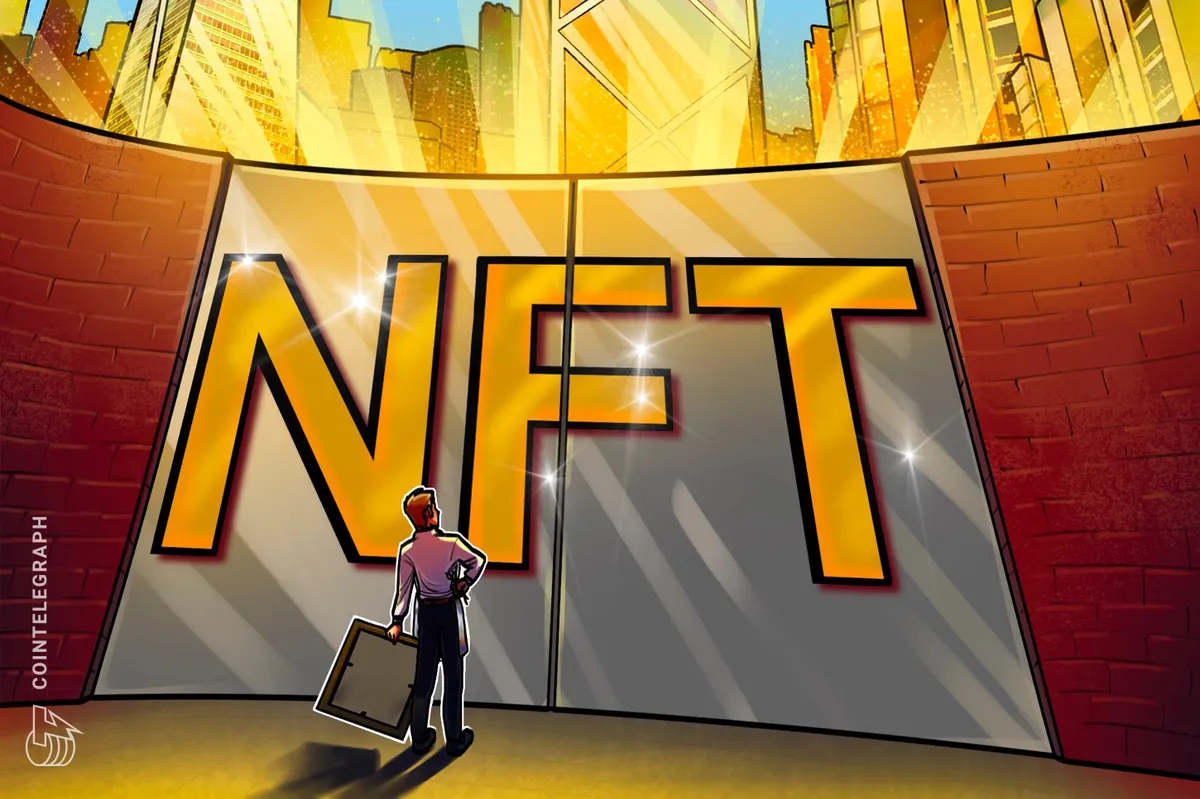
The upcoming closure of the Blur website has sent waves through the digital asset community, bringing long-standing debates about non-fungible token royalties back to the forefront. While a website shutdown typically signals distress for a platform, the reaction from a significant portion of the NFT community has been surprisingly positive. Observers and participants are revisiting how the marketplace disrupted the sector during its meteoric rise, particularly through mechanisms that fundamentally altered creator payouts.
During the height of the NFT boom, Blur rapidly ascended to market dominance, overtaking OpenSea by trading volume. Much of this success was driven by aggressive token reward incentives and a model that allowed traders to bypass traditional creator royalties. While this approach attracted high-volume traders and provided immense liquidity to a stagnant market, it drew sharp criticism from digital artists and creators who saw their secondary sales revenue plummet as a direct result of these platform policies.
The implications of this platform shift extend far beyond a single marketplace, reflecting a broader structural evolution in how digital collectibles are traded and valued. The reliance on token rewards to bootstrap liquidity proved to be a powerful, if controversial, strategy that reshaped competitor fee structures across the entire ecosystem. Market participants learned valuable lessons about the fragility of volume driven purely by financial incentives rather than organic collector demand.
Industry reactions to the news have highlighted deep divisions within the space, separating financial traders from content creators. Traders historically praised the platform for its professional-grade tools and zero-fee mechanics, whereas creators view the current developments through the lens of retribution for undermined royalty standards. Commentators across social platforms have seized the moment to re-evaluate the sustainability of trading models that prioritize short-term liquidity over long-term creator support.
As the situation develops, the community is left watching how historical platform decisions will influence the next generation of marketplaces. The legacy of Blur serves as a major case study in modern crypto economics, illustrating the delicate balance required between trader incentives and creator sustainability. Whether upcoming platforms can successfully reconcile these competing interests remains one of the most pressing questions for the digital art economy.

CoinMagnetic Team
Crypto investors since 2017. We trade with our own money and test every exchange ourselves.
Updated: October 2026
From our insights:
Related news
Blur to shut down Nov. 12 as trading volume plummets 99% since peak

Dormant bitcoin wallet transfers $378 million after holding since March 2020
Korean chip stocks and Nasdaq slide fail to drag down bitcoin past $83,000

Over $770 million in crypto liquidations hit the market as bitcoin dips

Meta claims new Muse Wonder AI models rival OpenAI, Anthropic