LayerZero says North Korea’s Lazarus likely behind Kelp DAO exploit; blames single-point setup

LayerZero has recently pointed fingers at North Korea's notorious Lazarus Group as the likely perpetrator behind the recent Kelp DAO exploit. This incident has raised significant concerns within the decentralized finance (DeFi) community, particularly as it highlights vulnerabilities in smart contract setups. LayerZero, known for its omnichain interoperability, emphasized that the exploit stemmed from a “single-point setup” flaw, which is a stark reminder of the need for robust security measures in the DeFi space. The incident has not only impacted Kelp DAO but has also reverberated throughout the broader DeFi ecosystem.
To fully understand the implications of this event, it is essential to consider the backdrop of hacking incidents in the crypto world. The Lazarus Group has been linked to numerous high-profile cyberattacks, particularly targeting crypto projects and exchanges. Their sophisticated methods and persistent targeting have made them a significant threat to DeFi protocols, which often operate with less oversight and regulatory frameworks than traditional finance. The Kelp DAO exploit adds to a growing list of breaches that underscore the ongoing challenges in securing decentralized platforms against malicious actors.
The recent exploit has had immediate ramifications for the DeFi market, resulting in a 7% drop in the total value locked (TVL) across the sector, bringing it down to approximately $86 billion, according to DefiLlama. Such a decline not only reflects the market's reaction to the Kelp DAO incident but also illustrates the fragility of investor confidence in DeFi projects. As security breaches continue to plague the industry, there is a growing concern that potential investors may shy away from these platforms, fearing for the safety of their assets.
Industry experts have weighed in on the situation, with many emphasizing the necessity for improved security protocols in DeFi projects. The consensus is that developers must prioritize creating resilient systems that can withstand attacks from sophisticated groups like Lazarus. Several analysts have also pointed out that the exploit may serve as a catalyst for stricter security standards and innovations within the DeFi sector. This incident could prompt a reevaluation of risk management practices and encourage more projects to adopt multi-signature setups and advanced auditing processes.
Looking ahead, the Kelp DAO exploit may prompt a wave of changes in how DeFi protocols approach security. As the community grapples with the fallout, we may see increased collaboration between projects to share best practices and develop more secure frameworks. Additionally, regulatory bodies could take notice of these vulnerabilities, potentially leading to more stringent guidelines for DeFi operations. The landscape of decentralized finance is ever-evolving, and incidents like this one serve as a crucial reminder of the importance of security in maintaining trust and stability in the market.

CoinMagnetic Team
Crypto investors since 2017. We trade with our own money and test every exchange ourselves.
Updated: April 2026
From our insights:
Related news
US investigates Binance for potential Iran-linked trading violations

Crypto sector emerges as top donor with $206 million in midterms backing
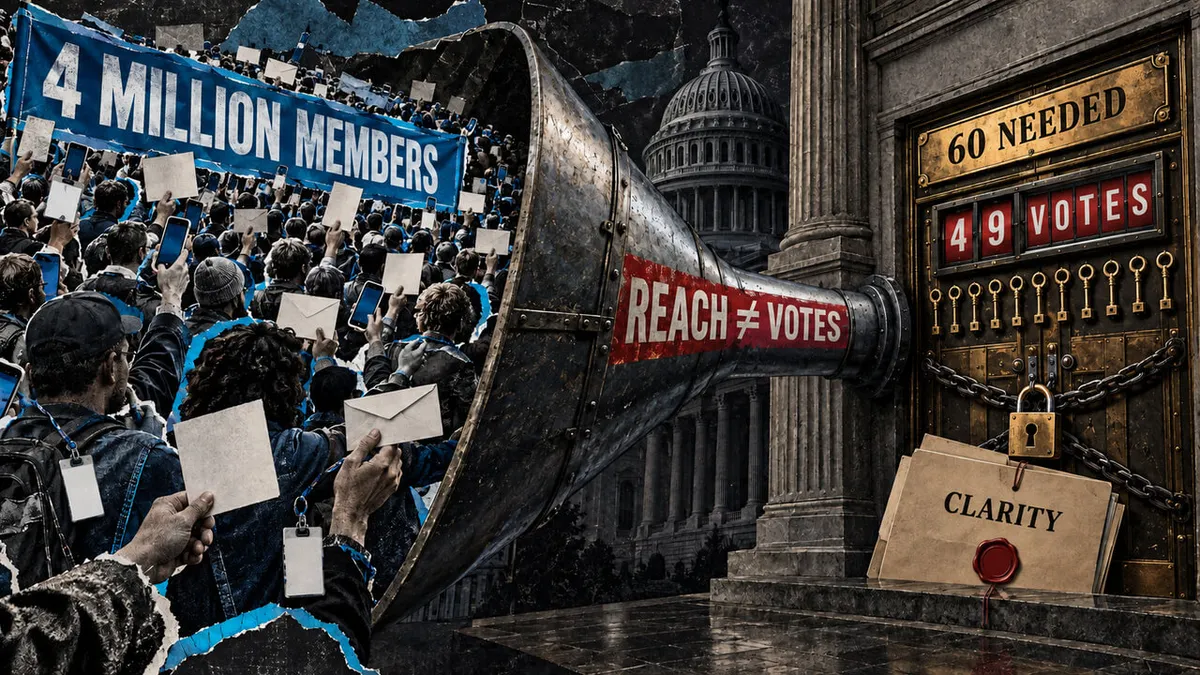
Stand With Crypto’s 4 million registered advocates couldn’t get the CLARITY Act through the Senate

Kakao Pay, KakaoBank to explore stablecoin opportunities with Fireblocks

US Attorney's investigation into Binance focuses on Iran sanctions compliance