KuCoin can restrict transactions linked to 17 sanctioned platforms even if unused
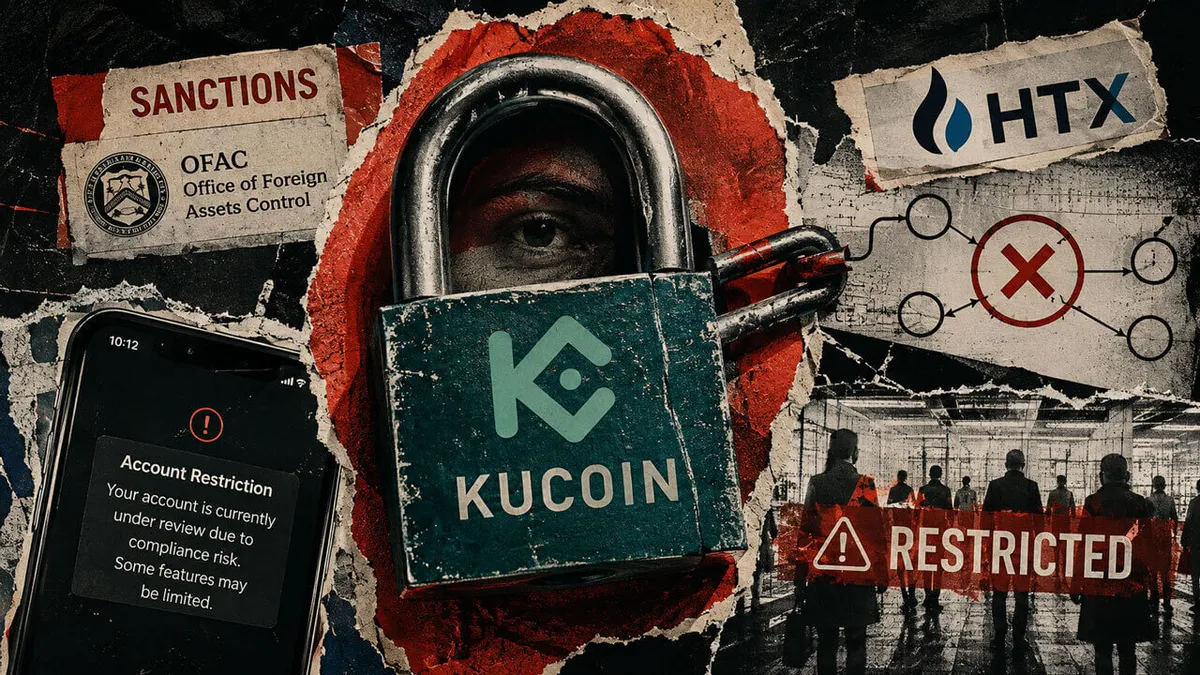
KuCoin has announced a new policy that allows the exchange to block cryptocurrency transactions if they are linked to 17 sanctioned platforms, even if users have never directly sent their assets to those platforms. This move comes as part of an effort to comply with regulatory requirements and maintain the integrity of its operations. In practice, this means that users could face reviews, transaction rejections, and even restrictions on their wallets if their transactions are flagged as suspicious or connected to these sanctioned entities.
The backdrop of this decision is rooted in the increasing scrutiny that cryptocurrency exchanges face from regulators globally. Governments and financial authorities are becoming more vigilant about preventing money laundering, terrorist financing, and other illicit activities that can arise from the use of cryptocurrencies. Sanctioned platforms, often associated with illegal activities, pose a significant risk, prompting exchanges like KuCoin to take precautionary measures to safeguard their business and comply with legal standards.
This policy is particularly important for the market as it highlights the ongoing tension between regulatory compliance and user autonomy within the cryptocurrency space. The ability of exchanges to block transactions raises questions about the freedoms users expect when engaging with decentralized assets. For investors, this may lead to hesitations in trading on platforms that impose such restrictions, ultimately affecting trading volumes and liquidity in the market.
Industry experts have reacted to this announcement with a mix of concern and understanding. Some believe that it is a necessary step to ensure compliance and protect users from potential legal repercussions, while others argue that such measures could deter new users from entering the cryptocurrency ecosystem. The balance between regulatory compliance and user experience remains a critical discussion point among stakeholders in the crypto industry.
Looking ahead, it will be interesting to see how other exchanges respond to similar regulatory pressures and whether they will adopt comparable policies. As the regulatory landscape continues to evolve, exchanges may need to implement additional measures to safeguard their operations, potentially leading to more restrictions for users. The ongoing dialogue between regulators and the cryptocurrency industry will be essential in shaping the future of digital asset exchanges.

CoinMagnetic Team
Crypto investors since 2017. We trade with our own money and test every exchange ourselves.
Updated: August 2026
From our insights:
Related news

Ledger confirms malicious hardware implant in device sold by CryptoBilis

CFTC authority reaches most sectors outside onions and box office tickets, Pham says
Trader turns Hyperliquid pricing into $1.28 million profit on Papertrade
Prediction market legal battles draw multiple amicus briefs at the Supreme Court
XRP Ledger fixes overflow bug that risked minting 18 trillion XRP