Keystone hardware wallet users challenge data deletion claims following breach

At CoinMagnetic, we have been closely following a growing controversy surrounding the hardware wallet manufacturer Keystone, where customers are pushing back against the company data retention policies. Recent discussions online suggest that the firm may have retained sensitive user information despite previous assurances that such records are permanently erased. According to Keystone, customer data is typically scheduled for deletion within 180 days after an order is fulfilled, but reports from affected users on social media have cast serious doubt on whether this protocol is consistently enforced.
This unfolding situation brings renewed scrutiny to how hardware wallet providers handle customer privacy and operational security. For years, hardware wallets have been marketed as the gold standard for cryptocurrency self-custody precisely because they isolate private keys from online threats. However, the ecosystem relies heavily on ancillary services, including online ordering systems and shipping databases, which often require users to provide personally identifiable information. When a disconnect occurs between a company privacy commitments and its actual data management practices, user trust can erode very quickly.
For the broader digital asset market, incidents like this highlight an often-overlooked vulnerability in the supply chain and customer acquisition process. While security audits typically focus on firmware code and hardware integrity, the databases holding shipping addresses and contact details remain prime targets for malicious actors. Retail investors frequently underestimate the risks associated with leaving a digital footprint on e-commerce platforms connected to crypto services. As privacy regulations tighten globally, hardware wallet manufacturers face mounting pressure to align their physical security standards with rigorous data hygiene.
Industry observers and privacy advocates have been vocal on social media, with many calling for greater transparency from hardware vendors regarding their internal data storage procedures. Security researchers emphasize that minimizing data collection is just as important as securing it in transit or at rest. Critics argue that retaining personally identifiable information longer than necessary creates unnecessary liability, especially in an industry where user anonymity is a core value. The community response underscores a broader demand for accountability across all touchpoints of the crypto hardware industry.
As this story continues to develop, we expect users to demand clearer, verifiable proof of data deletion practices from Keystone and similar hardware providers. Trust is the foundational currency of the crypto sector, and hardware manufacturers cannot afford ambiguity when it comes to personal data. Whether this incident prompts formal regulatory inquiries or simply shifts consumer preferences toward more privacy-focused alternatives remains to be seen, but the message from the community is loud and clear.

CoinMagnetic Team
Crypto investors since 2017. We trade with our own money and test every exchange ourselves.
Updated: October 2026
From our insights:
Related news

EU targets 2027 for digital euro testing as ECB warns on monetary sovereignty

Latvia aims for 2027 commercial property tokenization rules under Valainis

Google Quietly Updates Privacy Policy to Let Gmail and Photos Data Feed Ads
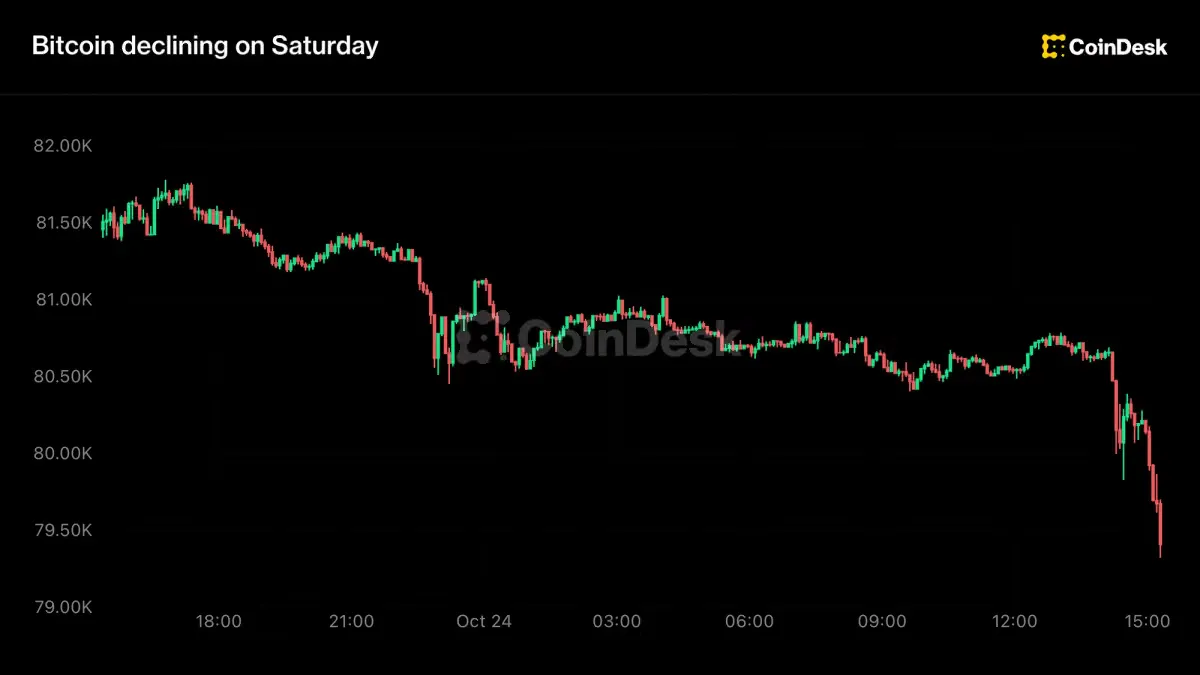
Bitcoin falls below $80,000 as U.S. evacuations heighten market pressure

Call of Duty studio discussed dropping physical discs as early as 2007