Kalshi Sues to Stop Minnesota From Enforcing America’s First Prediction Market Ban
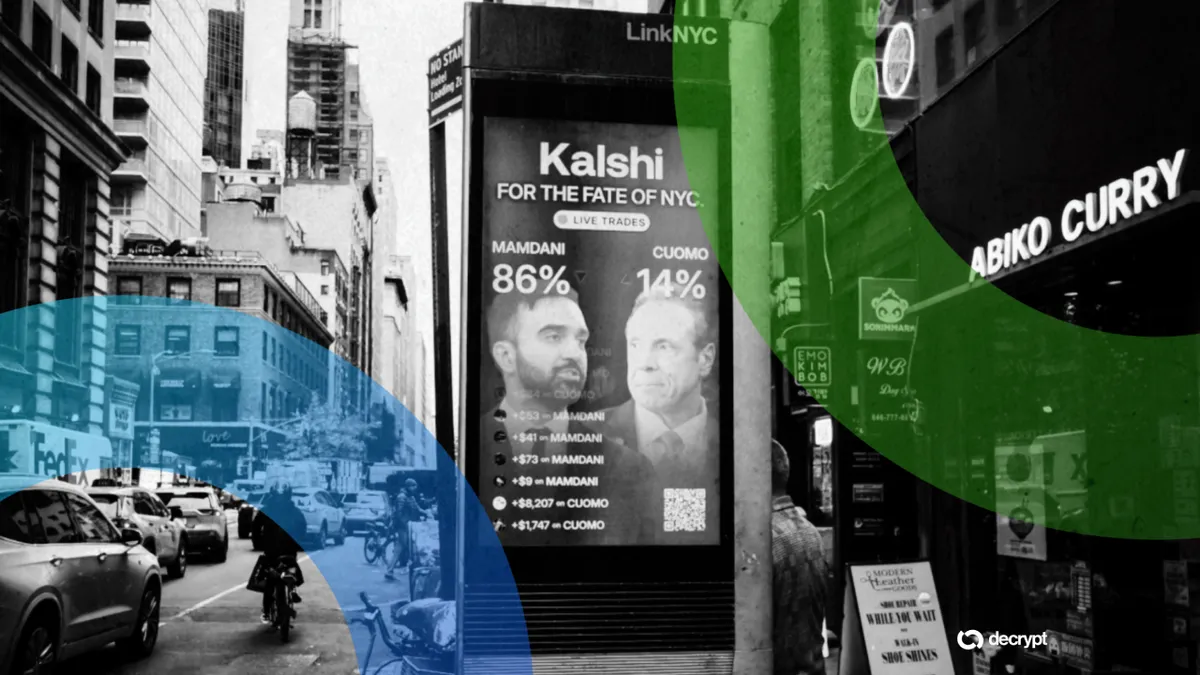
Kalshi, a leading player in the prediction market space, has taken legal action against the state of Minnesota, seeking to block the enforcement of what is being dubbed America’s first ban on prediction markets. The lawsuit, filed in a federal court, argues that the ban, scheduled to take effect in August, infringes on Kalshi's rights and could have broad implications for the burgeoning prediction market industry. Kalshi claims that the prohibition not only undermines its business model but also stifles innovation and consumer choice in an emerging sector that has the potential to reshape how people engage with information and make forecasts about future events.
To provide some context, prediction markets are platforms where individuals can buy and sell contracts based on the outcome of future events, such as elections or economic indicators. They have gained traction in recent years as both a form of entertainment and a tool for gathering insights on public sentiment. The Minnesota ban is significant as it marks the first time a state has moved to impose such restrictions on prediction markets, raising questions about regulatory approaches toward this new financial frontier. The legal action by Kalshi is not just a defensive maneuver; it is a critical moment that could set precedents for how prediction markets are regulated across the United States.
The implications for the broader market are substantial. Should Kalshi succeed in its lawsuit, it may pave the way for other states to adopt similar platforms without fear of restrictive regulations. Conversely, if the ban is upheld, it could create a chilling effect on the prediction market industry, leading to reduced investment and innovation. The outcome of this legal battle could influence not only Kalshi's operations but also the strategies of other companies in the space that look to establish their foothold in the prediction market landscape.
Reactions from industry experts have been mixed, with some expressing concern over the regulatory environment that prediction markets face. Many argue that the ban reflects a misunderstanding of the nature of prediction markets, which can serve as valuable tools for information dissemination and risk management. Others support the move, citing potential concerns around gambling and the need for consumer protection. The discourse surrounding this legal battle underscores the complexities of regulating a rapidly evolving sector that blurs the lines between finance, entertainment, and information.
As we look ahead, the outcome of Kalshi’s lawsuit could have long-lasting repercussions for the prediction market industry. If the court rules in favor of Kalshi, we may see a surge in interest and investment in prediction markets, potentially leading to a proliferation of similar platforms across the country. Alternatively, if the ban remains in place, it could prompt other states to consider similar restrictions, curtailing the growth of this innovative market. The next few months will be critical as the case unfolds, and both Kalshi and the prediction market community watch closely for the judge's ruling.

CoinMagnetic Team
Crypto investors since 2017. We trade with our own money and test every exchange ourselves.
Updated: May 2026
From our insights:
Related news

Reap aims to enhance cross-border FX with non-USD stablecoins including peso

ECB and EU central banks propose liquidity thresholds for stablecoins
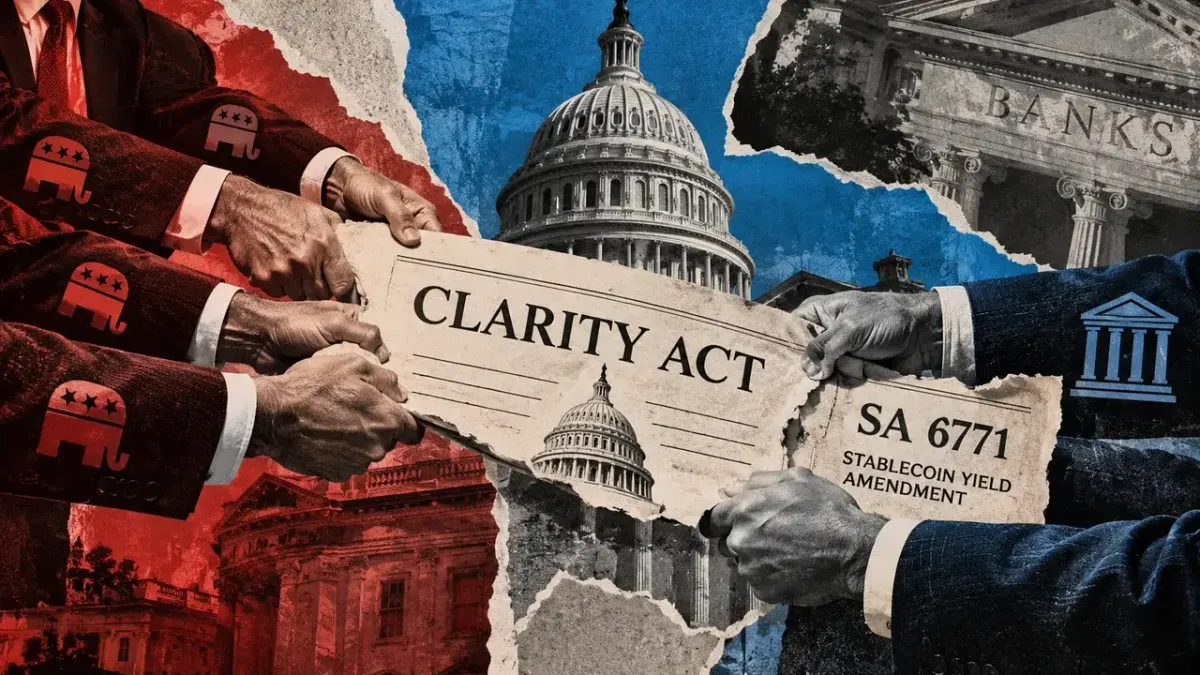
Four GOP senators backing CLARITY Act seek changes to stablecoin provisions
US investigates Binance for potential Iran-linked trading violations
Crypto sector emerges as top donor with $206 million in midterms backing