Kalshi sues Illinois, Pritzker over state bill implementing prediction markets regulatory regime
Kalshi, a prominent player in the prediction markets sector, has initiated a lawsuit against the state of Illinois and its governor, J.B. Pritzker, challenging a new law that establishes a regulatory framework specifically for prediction markets. This legal action comes as the firm argues that the regulations imposed by the state are overly burdensome and infringe on its operations. The law, which was designed to provide a structured environment for prediction markets, has been met with criticism from Kalshi, which believes that such regulations could stifle innovation and limit market access for consumers.
The context for this legal battle lies in the broader landscape of prediction markets, which allow individuals to bet on the outcomes of future events, ranging from political elections to economic indicators. In recent years, these markets have gained traction as alternative investment vehicles and tools for information aggregation. However, the regulatory uncertainty surrounding them has prompted various states to take action. Illinois' new law is part of a growing trend where states are attempting to bring clarity and oversight to this emerging sector, though not without pushing back from industry players like Kalshi.
This lawsuit is significant for the market as it highlights the ongoing tension between innovation in the financial technology space and regulatory frameworks. If Kalshi succeeds in its challenge, it could set a precedent that encourages other prediction market platforms to push back against restrictive regulations. Conversely, if the law is upheld, it could lead to a more regulated environment, which some argue is necessary for consumer protection but may also deter new entrants and limit the growth of the industry.
Reactions from the industry have been mixed, with some experts supporting Kalshi's stance. They argue that excessive regulation could stifle creativity and limit the potential for prediction markets to thrive, especially at a time when digital finance is rapidly evolving. Others, however, contend that regulation is essential to safeguard users and ensure fair practices within these markets. The differing perspectives underscore the complexity of balancing innovation with consumer protection in an industry that is still finding its footing.
Looking ahead, the outcome of this lawsuit could have far-reaching implications for the future of prediction markets not only in Illinois but across the United States. As the legal proceedings unfold, stakeholders will be closely monitoring any shifts in regulatory approaches and the potential for further legal challenges. The resolution of this case may well shape the trajectory of the prediction market landscape, influencing how states craft their regulations and how companies like Kalshi adapt to the evolving legal environment.

CoinMagnetic Team
Crypto investors since 2017. We trade with our own money and test every exchange ourselves.
Updated: June 2026
From our insights:
Related news

DeepSeek to address UN Security Council on AI risks alongside Dario Amodei

Lummis blames Democrats for failed crypto Clarity Act vote
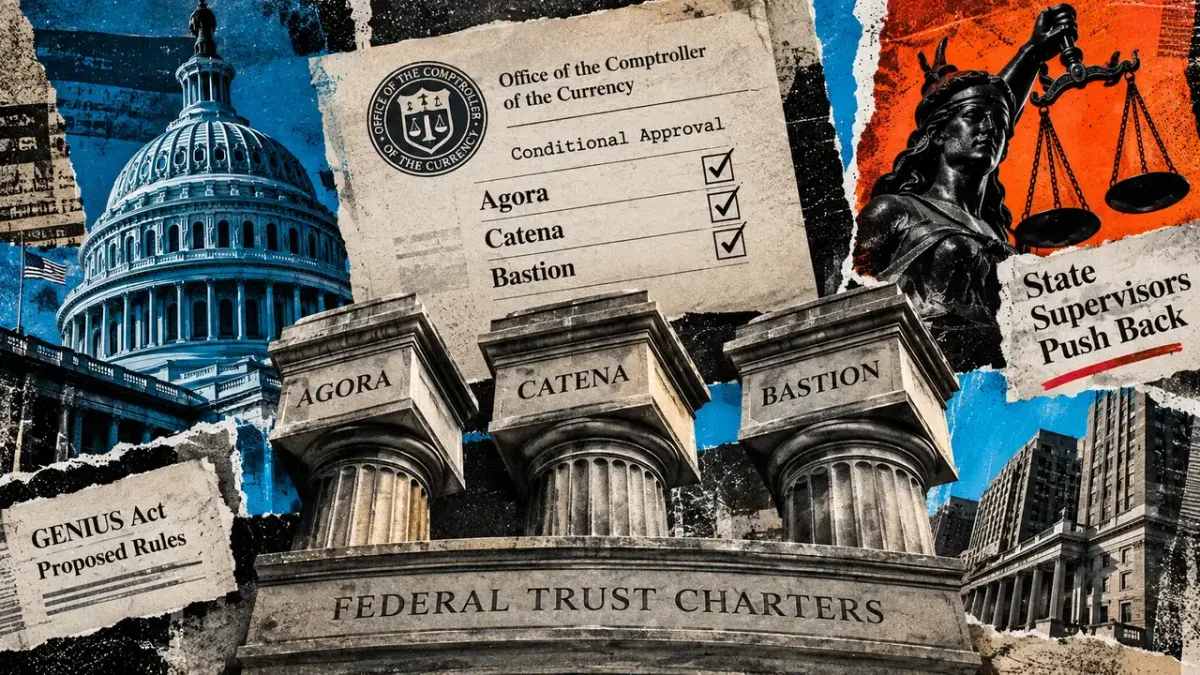
Federal approval won’t guarantee success for Agora, Catena, and Bastion

Regulatory clarity on crypto relies on officials, not Congress, says White House
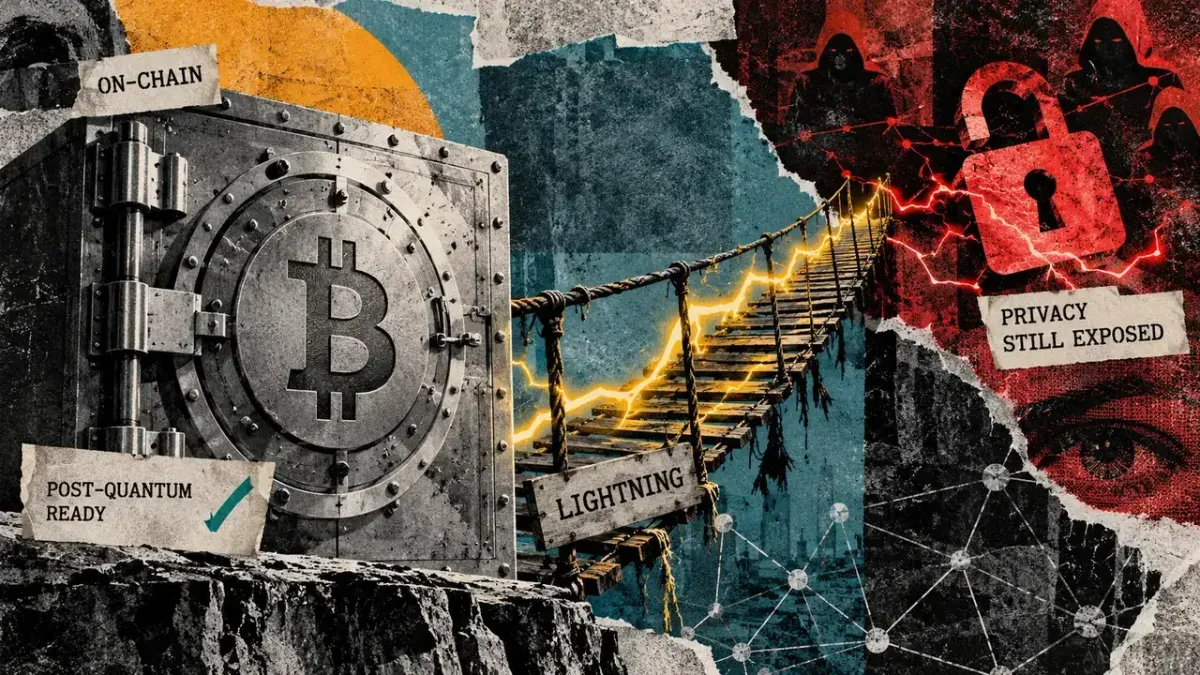
PQLN enhances Bitcoin's quantum safety but raises privacy concerns for Lightning