Kalshi CEO invokes Nasdaq, Uber and Airbnb in defense against New York lawsuit

Kalshi CEO Tarek Mansour has taken a bold stance in response to the recent lawsuit filed against his company by the New York Attorney General. In a recent CNBC interview, he drew parallels between the challenges Kalshi faces and those that Nasdaq, Uber, and Airbnb have encountered in their respective journeys. Mansour argues that the lawsuit could be applied to any number of established financial and technology platforms, suggesting that the legal scrutiny Kalshi is facing is part of a broader pattern of resistance to innovation within the financial sector.
Kalshi, a platform enabling users to trade on the outcomes of events, is positioned at the intersection of finance and predictive markets. The lawsuit from New York’s Attorney General alleges that Kalshi's business model could lead to market manipulation and gambling-like behavior, which the AG claims is not permissible under state law. This legal action has raised significant questions about the regulatory landscape for prediction markets, an area that has seen increasing interest and investment in recent years.
The implications of this lawsuit extend beyond just Kalshi; they could set a precedent for how prediction markets are regulated in the United States. If the lawsuit succeeds, it could stifle innovation in this sector, discouraging other startups from exploring similar business models. Conversely, if Kalshi successfully defends itself, it could pave the way for a more favorable regulatory environment for predictive trading platforms, potentially unleashing a wave of new ideas and services in the market.
Reactions from industry experts have been mixed, with some supporting Mansour's defense and others expressing concern over the potential ramifications of the lawsuit. Many believe that the legal challenges faced by Kalshi highlight the tensions between traditional regulatory frameworks and emerging technologies. Experts also note that if Kalshi can navigate this legal landscape successfully, it could embolden other fintech companies to push the boundaries of what is considered permissible in the financial markets.
Looking ahead, the outcome of the lawsuit will be closely monitored by stakeholders across the financial services spectrum. As legal battles often take time to unfold, Kalshi's ability to sustain its operations and innovate during this period will be critical. The case could also stimulate discussions among regulators about how to approach new market models, possibly leading to more defined regulations that could benefit not just Kalshi but the entire industry. As we continue to observe this situation, it remains clear that the intersection of technology and regulation will be a crucial area of focus in the coming months.

CoinMagnetic Team
Crypto investors since 2017. We trade with our own money and test every exchange ourselves.
Updated: August 2026
From our insights:
Related news

U.S. sanctions BitBank for facilitating bitcoin transactions for Iran's Revolutionary Guards

Solana reduces target slot time to 250 milliseconds, enhancing block speed

Needle Stealer targets seven browser wallets using fake AI software
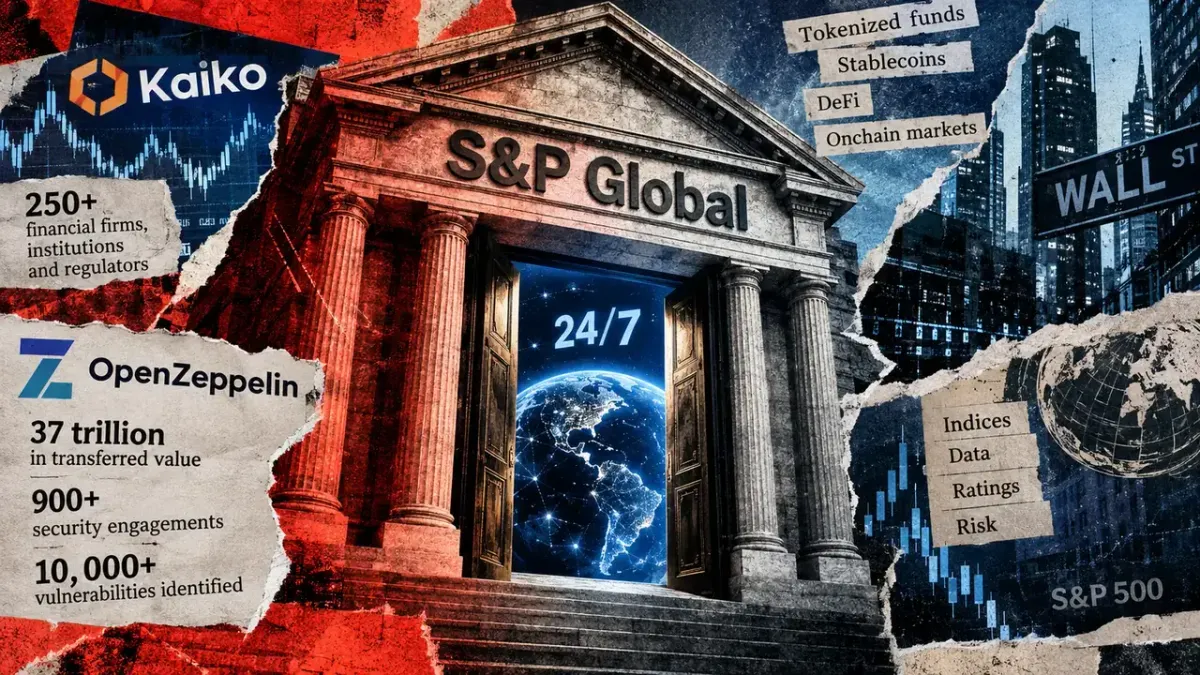
S&P Global acquires OpenZeppelin to enhance tokenized finance capabilities

SEC outlines regulated pathway for tokenized stocks in the U.S.