JPMorgan says crypto flows drop to $11 billion in Q1, about one-third of first quarter last year

In a recent report, JPMorgan has revealed that cryptocurrency flows have significantly declined to $11 billion in the first quarter of 2026, which is approximately one-third of the figure reported during the same period last year. This sharp drop comes after a record inflow of nearly $130 billion into the crypto market in 2025. The financial giant had previously anticipated that flows would continue to rise following such a robust performance. This downturn raises questions about investor sentiment and market dynamics moving forward.
To understand this decline, it’s crucial to look at the broader context of the cryptocurrency landscape. The past year has seen extreme volatility in crypto markets, influenced by various factors such as regulatory challenges, macroeconomic conditions, and shifting investor preferences. While 2025 was characterized by a surge in institutional interest and adoption, the current environment appears to be less favorable, leading to a cautious approach among investors. This shift could be attributed to regulatory uncertainties and broader economic headwinds that have made many investors more risk-averse.
The decrease in crypto flows is significant for the market as it suggests a potential slowdown in investment and trading activities. A drop to $11 billion could indicate a waning interest in cryptocurrencies, particularly in comparison to the exuberance of the previous year. Market participants often look at capital inflows as a barometer of overall market health, and such a stark reduction may lead to increased volatility and price stagnation as liquidity diminishes. This trend could affect not only established cryptocurrencies but also emerging projects and decentralized finance (DeFi) platforms, which rely heavily on capital inflows to sustain their operations.
Industry experts have mixed views on the implications of this downturn. Some analysts suggest that this could be a temporary setback, with the market potentially poised for recovery as new regulatory frameworks are established and institutional interest rebounds. Others, however, caution that the decline in flows reflects a deeper concern about the sustainability of the crypto market, especially if the underlying issues driving uncertainty remain unresolved. The divergence in expert opinions highlights the complexity of the crypto ecosystem and the challenges it faces in maintaining growth momentum.
Looking ahead, the key question is whether the crypto market can bounce back from this decline. Analysts will be closely monitoring upcoming regulatory developments and macroeconomic indicators that could influence investor sentiment. Additionally, innovations in technology and product offerings within the crypto space might play a crucial role in reigniting interest. As the market navigates these challenges, it will be vital for stakeholders to adapt and reassess their strategies to align with the evolving landscape.

CoinMagnetic Team
Crypto investors since 2017. We trade with our own money and test every exchange ourselves.
Updated: April 2026
From our insights:
Related news

Bitcoin ETFs attract nearly $1B in a single day as holders regain profitability
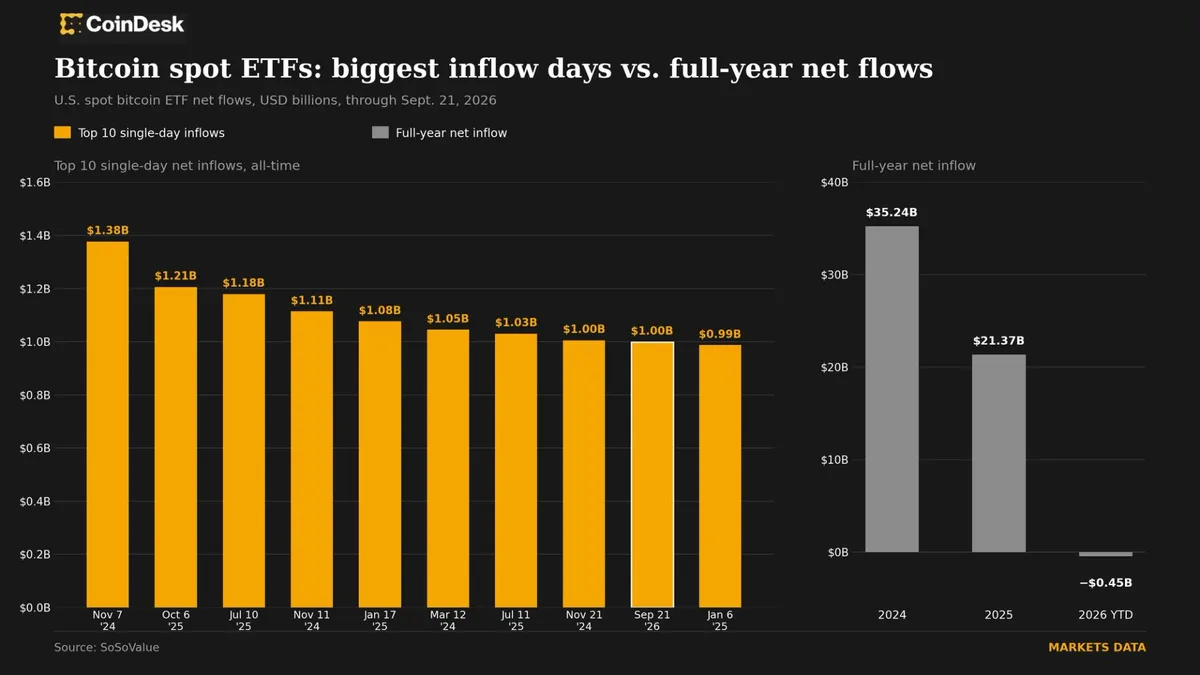
Spot bitcoin ETFs see nearly $1 billion inflow as bitcoin hits January highs

US spot Bitcoin ETFs see nearly $1 billion inflow, highest since October 2025

Bitcoin's rise to $86,000 restores profitability for ETF investors

Apple and Google seek crypto experts, signaling potential stablecoin initiatives