JPMorgan, Citi-backed consortium plans to launch tokenized deposit network in early 2027: WSJ

A consortium backed by major financial institutions, including JPMorgan and Citi, is making significant strides towards launching a tokenized deposit network by early 2027, as reported by the Wall Street Journal. This initiative aims to revolutionize the way deposits are handled by allowing for instantaneous movement and round-the-clock settlement. The proposed network is expected to enhance liquidity and efficiency in the banking sector, providing a more seamless experience for both institutions and their clients.
The concept of tokenized deposits is not entirely new but has gained traction in recent years as blockchain technology has matured. Traditional banking systems often struggle with the speed and efficiency of transaction settlements, particularly across borders. By leveraging cryptocurrency and blockchain technology, this consortium seeks to address these long-standing issues. The involvement of major players like JPMorgan and Citi not only adds credibility to the initiative but also highlights the growing interest among traditional banks in adopting innovative financial technologies.
This development is particularly significant for the cryptocurrency and financial markets as it bridges the gap between traditional banking systems and blockchain technology. The ability to conduct instant transactions and settle deposits around the clock could enhance liquidity in the market, making it easier for institutions to manage their assets. Additionally, the move may encourage more players in the financial sector to explore the potential of tokenization, which could lead to an overall increase in market activity and investment in crypto-related technologies.
Industry experts have expressed a mix of optimism and caution regarding this initiative. Some view it as a critical step towards mainstream adoption of blockchain technology in traditional finance, while others raise concerns about regulatory compliance and the potential risks associated with digital assets. The success of the consortium's efforts will likely depend on how well they can navigate these challenges and demonstrate the security and reliability of their proposed network.
Looking ahead, the next few years will be crucial for this tokenized deposit network as the consortium works towards its 2027 launch. Stakeholders will need to engage with regulators, develop robust technological infrastructure, and build partnerships across the financial sector to ensure widespread acceptance. If successful, this initiative could set a new standard for how deposits are managed and transacted, potentially reshaping the landscape of both banking and digital finance.

CoinMagnetic Team
Crypto investors since 2017. We trade with our own money and test every exchange ourselves.
Updated: June 2026
From our insights:
Related news

21shares launches first European ETP for Zcash after US ETF debut

Bitcoin ETFs attract nearly $1B in a single day as holders regain profitability
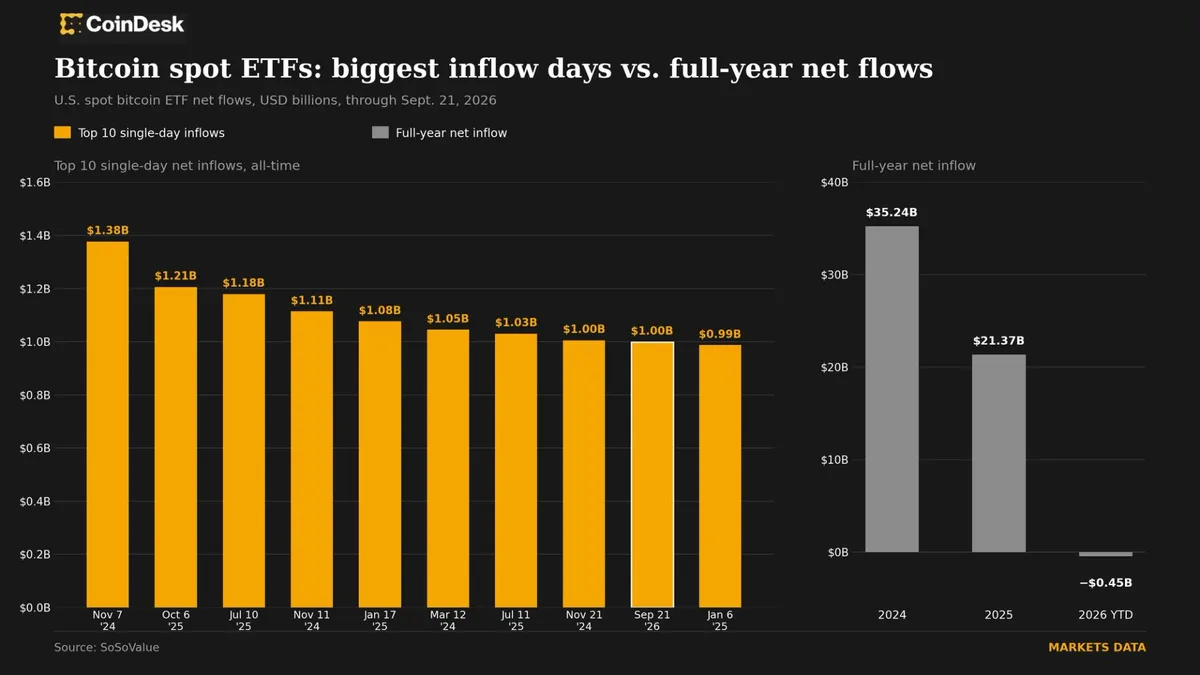
Spot bitcoin ETFs see nearly $1 billion inflow as bitcoin hits January highs

US spot Bitcoin ETFs see nearly $1 billion inflow, highest since October 2025

Bitcoin's rise to $86,000 restores profitability for ETF investors