Japan's leading yen stablecoin struggles in first year due to transaction cap
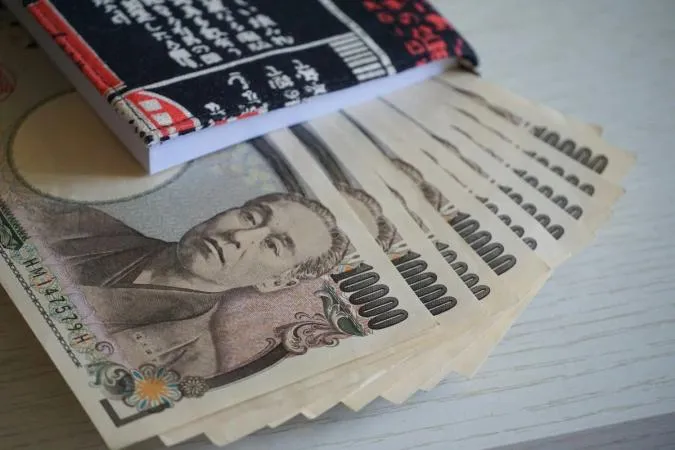
Japan's premier yen-pegged stablecoin has encountered significant hurdles in its inaugural year, failing to meet its anticipated target. The stablecoin, designed to facilitate seamless transactions and bolster the country's digital currency ecosystem, has seen limited uptake among businesses. A key factor contributing to this disappointing performance is the imposition of a transaction cap set at 1 million yen for Type II funds transfer providers, which has hindered broader corporate adoption and utilization of the stablecoin.
The backdrop to this situation lies in Japan's increasingly competitive digital currency landscape. As global interest in cryptocurrencies and stablecoins continues to rise, Japan's regulatory framework has sought to balance innovation with consumer protection. However, the restrictions placed on corporate transactions through the stablecoin have inadvertently stifled its growth potential, leaving many businesses hesitant to engage with the new technology.
This development is important for the broader market as it highlights the challenges faced by stablecoins in achieving widespread acceptance, particularly in regions with stringent regulatory environments. Investors and developers alike are closely monitoring the situation, as the success or failure of this yen stablecoin could set a precedent for future initiatives in Japan and beyond. If the challenges are not addressed, it may raise doubts about the viability of stablecoins in emerging markets.
Industry experts have expressed concern regarding the transaction cap, suggesting that it may need to be reevaluated to facilitate corporate engagement. Some analysts argue that a more flexible approach could enhance the stablecoin's appeal, encouraging greater participation from businesses that are currently deterred by the limitations. The sentiments from the industry indicate a need for collaboration between regulators and developers to create a more conducive environment for digital currencies.
Looking ahead, it remains to be seen how the stablecoin will adapt to these challenges. The CEO, Noritaka Okabe, has indicated that adjustments may be necessary to encourage corporate adoption. The upcoming months will be crucial for the stablecoin's trajectory, as stakeholders await potential regulatory changes or enhancements that could rejuvenate interest and usage among Japanese enterprises.

CoinMagnetic Team
Crypto investors since 2017. We trade with our own money and test every exchange ourselves.
Updated: October 2026
From our insights:
Related news
Zcash treasury valuation tops $125 million as co-founder targets grants subsidy

Ark Invest purchases $5.2 million in Circle while selling $15.9 million of Bitcoin ETF

Zcash co-founder proposes redirecting over $125M in grants to network reserve

JPMorgan warns lenders now demand cash flow over simple AI labels

BlackRock, SBI and Startale team up to bridge tokenized funds and yen stablecoins