Calpers shifts capital to private equity as AI spending stokes market anxiety
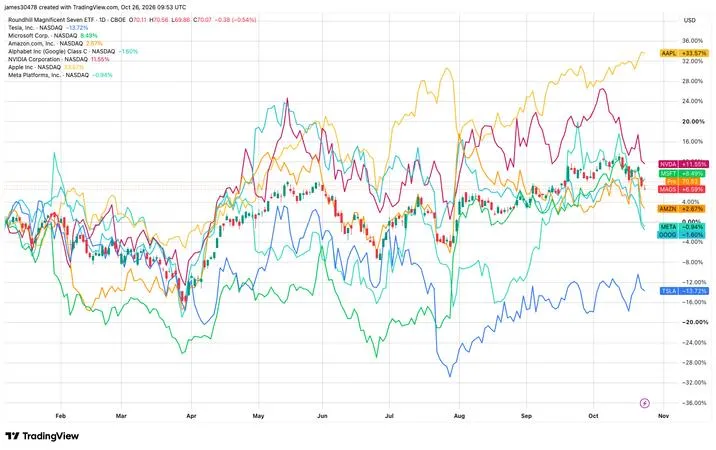
As the team at CoinMagnetic, we are watching a significant portfolio shift unfold as the California Public Employees Retirement System pulls back from major technology holdings. This strategic pivot comes amid a deepening neocloud sell-off and growing investor anxiety over sky-high valuations in the tech sector. Calpers, one of the largest public pension funds in the United States, is visibly adjusting its exposure as market participants increasingly question the financial sustainability of massive capital expenditures flowing into artificial intelligence infrastructure.
This move by Calpers does not happen in a vacuum, as it reflects a broader macro shift in institutional asset allocation. Over recent years, traditional pensions and large-scale investors poured billions into technology equities, riding the wave of generative AI enthusiasm and cloud computing expansion. However, as interest rates remain elevated and the expected revenue returns from heavy AI investments face scrutiny, institutional sentiment has begun to cool. The recent weakness across neocloud providers and related hardware suppliers has highlighted the vulnerability of tech-heavy portfolios to sudden valuation corrections.
For the broader financial and digital asset markets, this development matters because it signals a potential cooling of institutional risk appetite. When bellwether funds like Calpers rebalance away from growth-heavy tech sectors and toward private equity, it often precedes a more cautious approach to high-beta assets across the board. Investors are demanding tangible proof of profitability rather than speculative growth projections, a sentiment that tends to ripple through both traditional growth equities and alternative asset classes, including technology-adjacent sectors.
Market observers and financial analysts are divided on the long-term implications of this portfolio rebalancing. Some experts view the Calpers adjustment as a prudent risk-management strategy designed to lock in gains and protect pensioners from a potential tech bubble correction. Others argue that retreating from technology prematurely could cause institutional funds to miss out on the eventual productivity gains driven by artificial intelligence. Regardless of the viewpoint, the consensus is that market participants are entering a more discerning phase where fundamentals matter significantly more than narrative momentum.
Looking ahead, market watchers will be closely monitoring quarterly institutional filings and capital flow data to see if other major pension funds follow the lead of Calpers. As the debate over AI monetization continues to polarize Wall Street, the pressure is on technology companies to demonstrate clear financial returns on their infrastructure investments. For now, the era of uncritical tech allocation appears to be giving way to a much more rigorous evaluation of risk and reward.

CoinMagnetic Team
Crypto investors since 2017. We trade with our own money and test every exchange ourselves.
Updated: October 2026
From our insights:
Related news

US spot Bitcoin ETFs reverse recent outflows with $301 million in net inflows

Spot bitcoin funds pull in $301 million to reverse a two-week outflow trend

Franklin Templeton adds $150 million in fund shares to XRP Ledger, all in one wallet

Morning Minute: a16z Drops 'Crypto' From Its Fund

HSBC brings RedCoin stablecoin wallets to PayMe users in Hong Kong