Japan reclassifies crypto as a financial asset, paves way for tax cuts
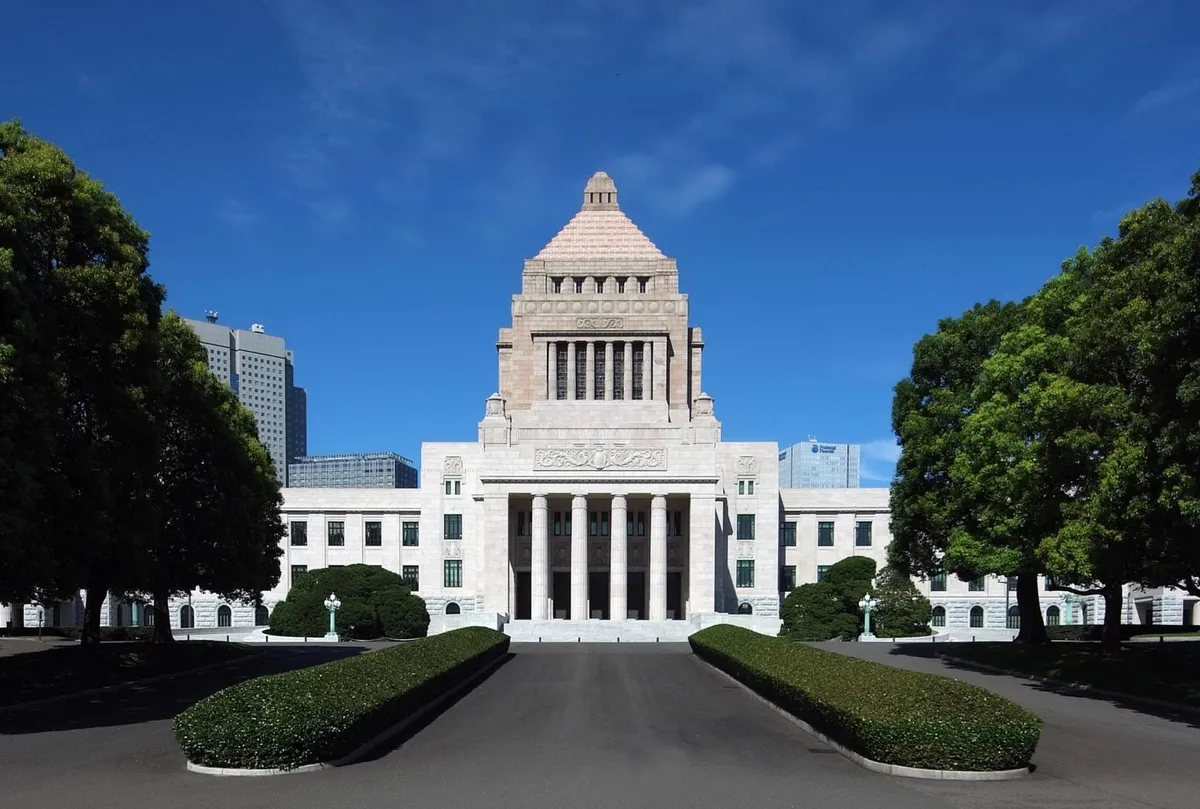
Japan's recent decision to reclassify cryptocurrencies as financial assets marks a significant shift in the regulatory landscape for digital currencies within the country. Lawmakers have recognized that cryptocurrencies have evolved beyond their initial use as mere payment methods and now function more prominently as investment vehicles. This change signals a move towards creating a more structured regulatory framework that aligns with the characteristics of traditional financial instruments. As part of this reclassification, the government is also contemplating tax cuts that could incentivize greater participation in the crypto market.
To understand the implications of this reclassification, it's essential to consider Japan's historical relationship with cryptocurrency. The nation was one of the first to embrace digital currencies, establishing a regulatory framework as early as 2014. However, the market has seen its share of turmoil, including high-profile exchanges facing insolvency and security breaches. As the landscape has matured, lawmakers have realized that a more nuanced approach is necessary to address the complexities of cryptocurrencies and their increasing role in investment portfolios.
The reclassification and potential tax cuts could have a profound impact on the market. By treating cryptocurrencies as financial assets, investors may gain more confidence in the legitimacy and stability of the crypto space. This could lead to increased institutional investment and broader participation from retail investors, ultimately driving market growth. Additionally, tax incentives could stimulate innovation within the sector, encouraging projects and startups to flourish in Japan.
Industry experts have largely welcomed this move, noting that a clearer regulatory framework could enhance investor protection and market integrity. Many believe that Japan's proactive approach could serve as a blueprint for other countries looking to navigate the complexities of cryptocurrency regulation. However, some caution that the success of these regulations will depend on their implementation and enforcement, as well as the government's ongoing commitment to fostering a balanced environment for innovation and risk management.
Looking ahead, the next steps will involve the development of specific regulations that define how cryptocurrencies will be taxed and managed as financial assets. This will require collaboration between lawmakers, industry stakeholders, and regulatory bodies to ensure that the new framework meets the needs of all parties involved. As Japan moves forward with its regulatory evolution, the eyes of the global crypto community will be watching closely to see how these changes shape the future of digital assets both domestically and internationally.

CoinMagnetic Team
Crypto investors since 2017. We trade with our own money and test every exchange ourselves.
Updated: July 2026
From our insights:
Related news

Solana sets Oct. 21 for Alpenglow upgrade targeting 150-millisecond finality

Regulatory scrutiny hits Coins.ph over offshore gaming transaction allegations

BNY, Citadel Securities test tokenized U.S. Treasuries to speed up Wall Street financing

Character.AI seeks Delaware court sale after valuation peaked at $1 billion

SEC quorum rule shift signals potential acceleration in crypto oversight