US turns stablecoin issuer Tether into a financial weapon against Iran, freezing nearly $500 million
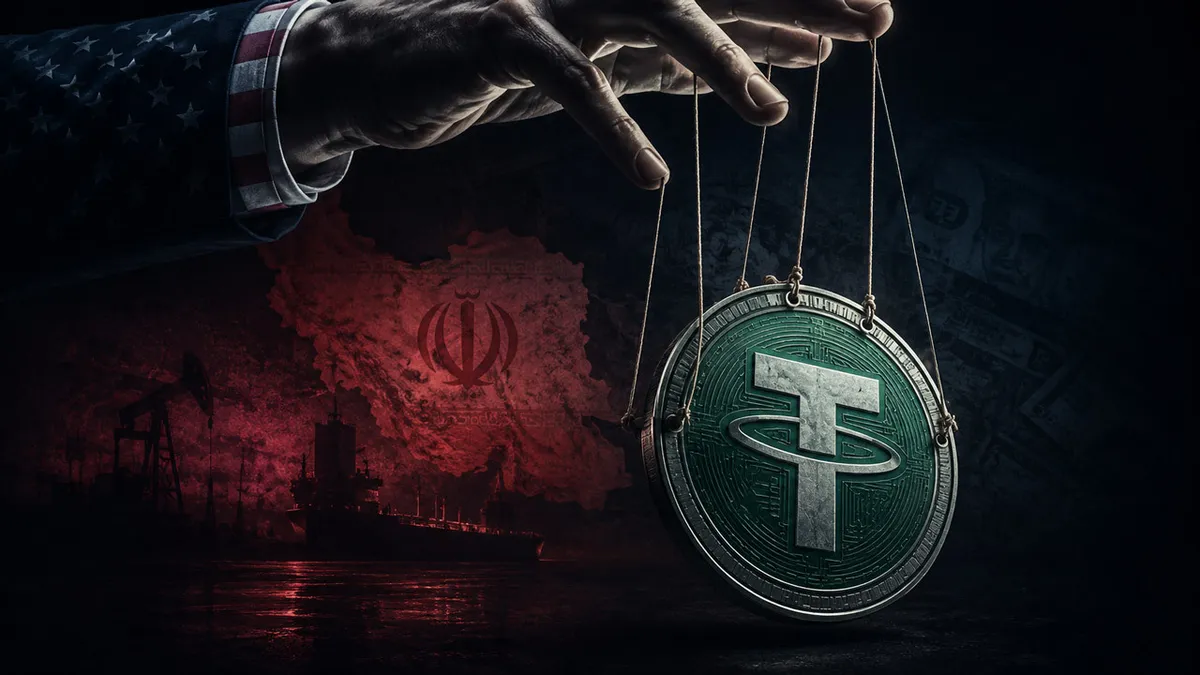
In a significant development, U.S. authorities have leveraged their control over Tether, a prominent issuer of dollar-pegged stablecoins, to freeze approximately $475 million in assets associated with Iran. This move underscores a strategic shift in how the U.S. is implementing sanctions, extending its reach beyond conventional banking channels. Just a few months ago, on July 14, the U.S. government sanctioned four wallets on the Tron blockchain that were holding roughly $131 million in USDT, which is Tether's stablecoin. The wallets are believed to be linked to Iranian entities, and this action highlights the increasing use of cryptocurrencies as tools for financial enforcement.
The use of cryptocurrencies in sanctions enforcement represents a notable evolution in the context of U.S. foreign policy. Traditionally, sanctions have been enforced through conventional banking systems, where financial institutions are required to comply with regulations that limit transactions with sanctioned countries or entities. However, the rise of blockchain technology and cryptocurrencies poses new challenges for regulatory frameworks. The ability to freeze assets tied to stablecoins like USDT indicates that the U.S. is adapting to these challenges by utilizing digital currencies to achieve its geopolitical objectives.
This development is particularly significant for the cryptocurrency market, as it signals a potential shift in regulatory scrutiny of stablecoins. The fact that Tether, a leading stablecoin, is being utilized as a tool for international sanctions may lead to increased regulatory oversight of the entire stablecoin ecosystem. Investors and market participants may start to view stablecoins not only as a means of facilitating transactions but also as potential instruments of government policy, which could influence market dynamics and investor confidence.
Industry experts have expressed a mix of concern and acceptance regarding this new use of stablecoins. Some analysts argue that while this move demonstrates the efficacy of blockchain technology in sanctions enforcement, it also raises questions about the future of decentralized finance and the autonomy of cryptocurrencies. Others believe that this could lead to greater legitimacy for stablecoins in mainstream finance, as their utility in regulatory contexts becomes more apparent. The broader cryptocurrency community is closely watching how Tether and other stablecoin issuers respond to this development, as it could set important precedents for the industry.
Looking ahead, the implications of this action by the U.S. government could be far-reaching. As more nations and regulatory bodies observe the U.S. strategy, we may see similar approaches adopted globally. This could lead to increased scrutiny of stablecoin issuers and a potential reevaluation of the regulatory landscape surrounding cryptocurrencies. Stakeholders in the crypto space will need to remain vigilant and adaptable as the intersection of digital assets and international finance continues to evolve.

CoinMagnetic Team
Crypto investors since 2017. We trade with our own money and test every exchange ourselves.
Updated: July 2026
From our insights:
Related news

SEC quorum rule shift signals potential acceleration in crypto oversight

BIS research highlights privacy potential and security hurdles for digital cash

Stealth LTE chip bypasses Secure Element to drain $86 million in crypto

Sberbank tests bitcoin, ether and tether trades ahead of December 1 rollout

UK court ruling deals a major blow to Chinese victims seeking 61,000 Bitcoin