Industry leaders are pouring hundreds of millions into a rescue plan for Aave users after massive crypto hack

In light of the recent massive hack that targeted Aave, a prominent decentralized finance (DeFi) platform, industry leaders are mobilizing to establish a recovery fund aimed at supporting affected users. This initiative has already attracted hundreds of millions in investments from various stakeholders within the crypto ecosystem. The swift response indicates a collective commitment to uphold user trust and stability within the DeFi space, as the hack has raised significant concerns about security vulnerabilities and the overall resilience of decentralized platforms.
To understand the gravity of the situation, it's essential to consider the broader context of DeFi and its rapid evolution over the past few years. Aave has been a pivotal player in this arena, providing users with innovative lending and borrowing solutions. However, as the platform gained popularity, it also became a target for cybercriminals looking to exploit weaknesses in smart contracts and security protocols. This recent incident has not only shaken Aave but has also prompted discussions about the safety measures in place across the entire DeFi landscape, highlighting the need for improved security practices and user education.
The establishment of a recovery fund is crucial for the market as it signals a proactive approach to mitigating the fallout from such hacks. By pooling resources, industry leaders can offer direct financial support to users who have lost funds, fostering a sense of community and solidarity. Additionally, this initiative may serve to enhance confidence among investors, encouraging more participation in DeFi projects. As the market grapples with the implications of this incident, the commitment to user recovery may be a pivotal factor in sustaining long-term growth and innovation in the sector.
Industry reaction has been largely positive, with many experts praising the quick mobilization of resources to assist affected users. Some industry leaders have noted that this collaborative effort could set a precedent for how the DeFi space addresses security breaches in the future. Others have emphasized the importance of transparency in the recovery process, advocating for clear communication between developers, investors, and users to rebuild trust. As discussions unfold, it is clear that the incident has sparked a much-needed dialogue about the security measures that should be prioritized to prevent future occurrences.
Looking ahead, the crypto community will be closely monitoring the implementation and effectiveness of the recovery fund. As Aave and its partners work to restore confidence, the focus will likely shift to developing robust security protocols that can safeguard user assets. The ongoing collaboration among industry players may also lead to the creation of new standards for security in DeFi, paving the way for a safer and more resilient ecosystem. In the coming months, we can expect further developments as stakeholders navigate the aftermath of this significant event and strive for a stronger foundation in decentralized finance.

CoinMagnetic Team
Crypto investors since 2017. We trade with our own money and test every exchange ourselves.
Updated: April 2026
From our insights:
Related news

Solstice CEO predicts less volatile future for crypto cycles amid liquidity growth

Pragma flags 6 price feeds as critical risk following $3.5M Starknet lending exploit

Ethereum's $120 billion in staking masks underlying supply dynamics

NEAR price surges 80% weekly as Intents volume approaches $30 billion
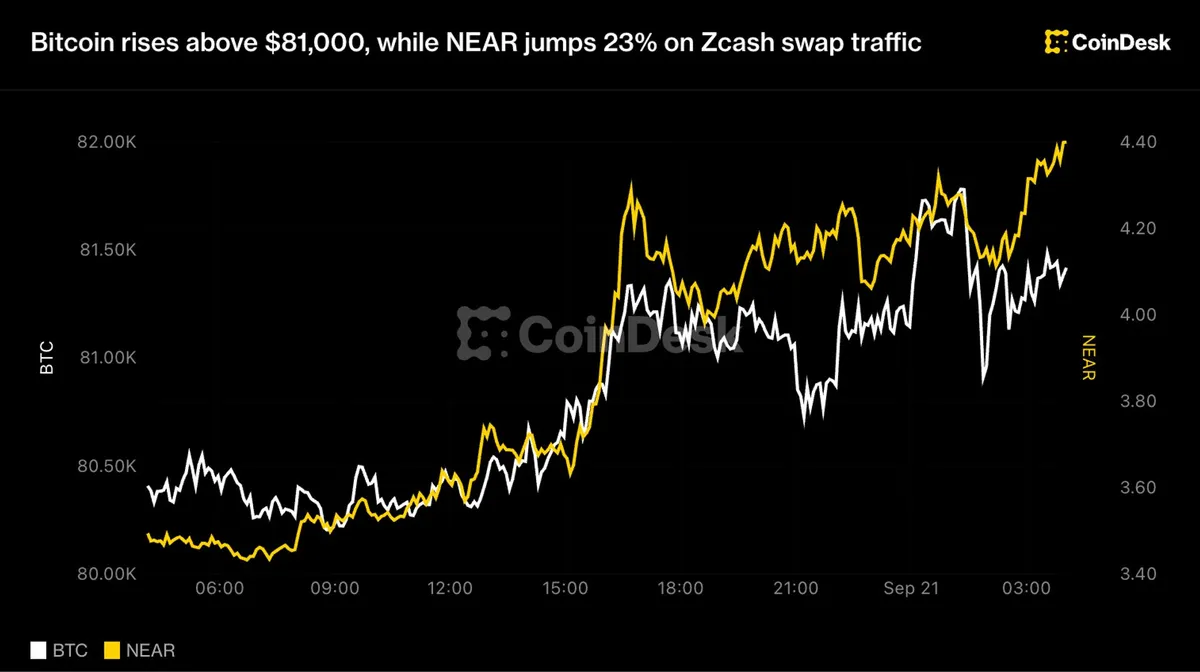
Bitcoin surpasses $81,000 as NEAR surges 23% amid Zcash swap activity