Hyperliquid’s HIP-4 to support permissionless deployment for outcome markets

Hyperliquid has recently announced its HIP-4 proposal, a significant advancement aimed at supporting permissionless deployment for outcome markets. This new initiative allows deployers to stake 500,000 HYPE tokens, granting them the ability to create and manage markets within the Hyperliquid ecosystem. Notably, these deployers can earn up to 50% of the fees generated from their validator-aligned markets, creating a potentially lucrative opportunity for participants. This development is expected to enhance liquidity and expand the range of accessible markets for users, marking an important step in Hyperliquid's growth and functionality.
To understand the significance of HIP-4, it is essential to consider the context of Hyperliquid's evolution. Launched as a decentralized exchange platform, Hyperliquid aims to facilitate the trading of outcome markets, which are essentially financial instruments based on the outcomes of specific events. The introduction of HIP-4 is part of a broader trend in the decentralized finance (DeFi) space where platforms are increasingly allowing user-driven initiatives while incentivizing participation through fee structures. This proposal aligns with the ongoing push for greater decentralization and user empowerment in the crypto market.
The implications of HIP-4 for the broader market are substantial. By enabling permissionless deployments, Hyperliquid is likely to attract a diverse range of new developers and traders, fostering an environment ripe for innovation. This move could lead to an increase in the number of available markets, stimulating trading activity and potentially increasing the overall liquidity on the platform. Furthermore, as the demand for outcome markets grows, this could provide a competitive edge for Hyperliquid over other decentralized exchanges that are still operating under more restrictive frameworks.
Industry experts have responded positively to the announcement, highlighting the potential for HIP-4 to reshape the landscape of DeFi trading. Analysts note that allowing users to create their own markets could democratize access to trading opportunities, particularly for niche events that may not be covered by larger platforms. Additionally, the fee-sharing model could incentivize more users to participate actively, thereby enhancing the network effects that are crucial to the success of any decentralized platform. However, some caution that the influx of new markets could also lead to regulatory scrutiny, particularly regarding market manipulation and the integrity of outcomes.
Looking ahead, the success of HIP-4 will depend on how well Hyperliquid can manage the influx of new deployers and the associated market dynamics. As more users stake HYPE tokens and launch their markets, the platform will need to ensure robust mechanisms are in place to maintain the quality and reliability of the trading experience. Furthermore, monitoring the regulatory landscape will be crucial, as the platform navigates the challenges of operating in an increasingly scrutinized environment. Overall, HIP-4 represents a promising development for Hyperliquid and the DeFi ecosystem, with the potential to significantly influence the market in the coming months.

CoinMagnetic Team
Crypto investors since 2017. We trade with our own money and test every exchange ourselves.
Updated: July 2026
From our insights:
Related news
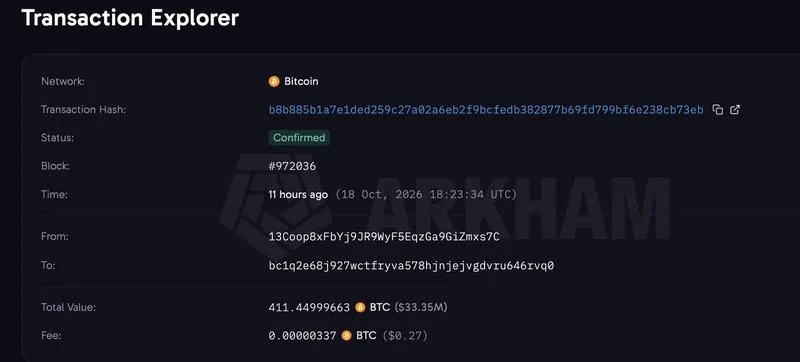
Dormant wallet moves $34 million in BTC acquired in 2013 at $131 each

World biometric verification integration on Zoom combats deepfake fraud
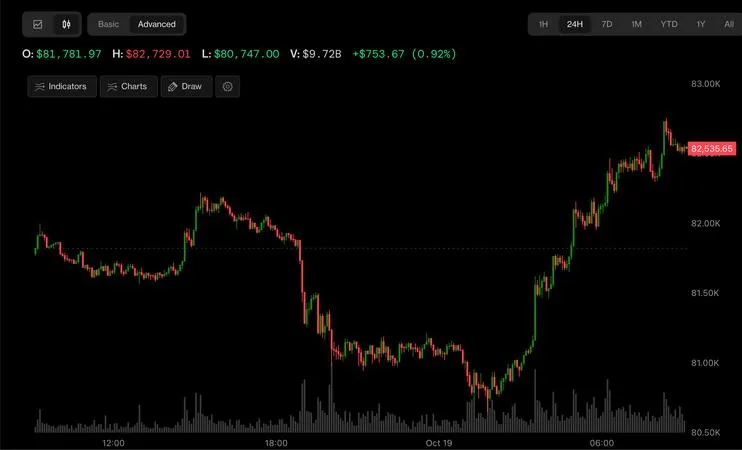
China GDP beat and lower oil prices drive risk asset gains across global markets

Richard Heart detained as crypto developments unfold in Istanbul and beyond

Crypto.com, Novig sue Missouri over sports event contracts; Kalshi, Polymarket, Robinhood hold off