Hyperliquid challenges Polymarket with $32 million opening for prediction-market builders

Hyperliquid has recently made headlines by announcing a significant initiative aimed at expanding its prediction market capabilities, which poses a direct challenge to established players like Polymarket. The platform is set to implement an upgrade known as HIP-4, allowing external operators to create their own prediction markets on Hyperliquid's blockchain. However, this opportunity comes with a hefty requirement: prospective deployers must stake 500,000 of Hyperliquid’s native token, HYPE, which is valued at approximately $31.7 million at current market rates. This ambitious move is designed to not only enhance the platform's offerings but also to ensure that those participating have a substantial financial commitment to the ecosystem.
The context of this development lies in the growing popularity of decentralized prediction markets, which have gained traction in the crypto space as an innovative way to leverage collective intelligence for forecasting events. Polymarket has been a frontrunner in this arena, allowing users to bet on various outcomes across a wide range of topics, from political events to sports results. Hyperliquid's entry into this space, especially with such a high stake requirement, signals a shift in the competitive landscape as platforms vie for dominance in the burgeoning market for decentralized applications.
The implications of Hyperliquid's initiative are significant for the broader market. By lowering barriers for external developers while simultaneously requiring a substantial stake, Hyperliquid is attempting to create a more robust and secure environment for prediction markets. This could potentially lead to increased innovation and a broader variety of markets available to users, which may attract more participants and liquidity into the ecosystem. Furthermore, it raises questions about liquidity and risk management within these platforms, as the high capital requirement may deter smaller players but could result in more serious, committed developers entering the space.
Industry reactions to Hyperliquid's announcement have been mixed. Some experts see this as a bold move that can potentially reshape how prediction markets operate, emphasizing the need for financial commitment to ensure the quality and reliability of markets. Others, however, express concerns that such a high barrier to entry might stifle innovation by excluding smaller developers who may have valuable ideas but lack the resources to participate. The debate centers around finding the right balance between security and accessibility in the fast-evolving world of decentralized finance.
Looking ahead, the success of Hyperliquid's HIP-4 upgrade will depend on how well it attracts and retains developers willing to stake such a large sum. If successful, it could pave the way for a new wave of prediction markets, but if it fails to gain traction, it might reinforce the dominance of existing platforms like Polymarket. As the landscape continues to evolve, we will be closely monitoring the developments and industry responses to see how this competition unfolds and what it means for the future of decentralized prediction markets.

CoinMagnetic Team
Crypto investors since 2017. We trade with our own money and test every exchange ourselves.
Updated: July 2026
From our insights:
Related news

Bitcoin faces a potential $80,000 support retest as traditional equities recover
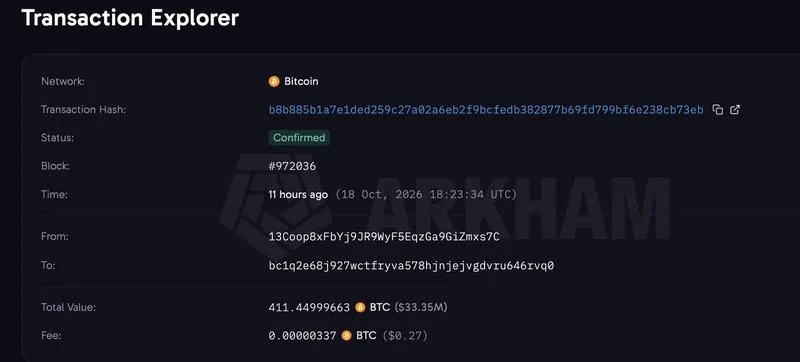
Dormant wallet moves $34 million in BTC acquired in 2013 at $131 each

World biometric verification integration on Zoom combats deepfake fraud
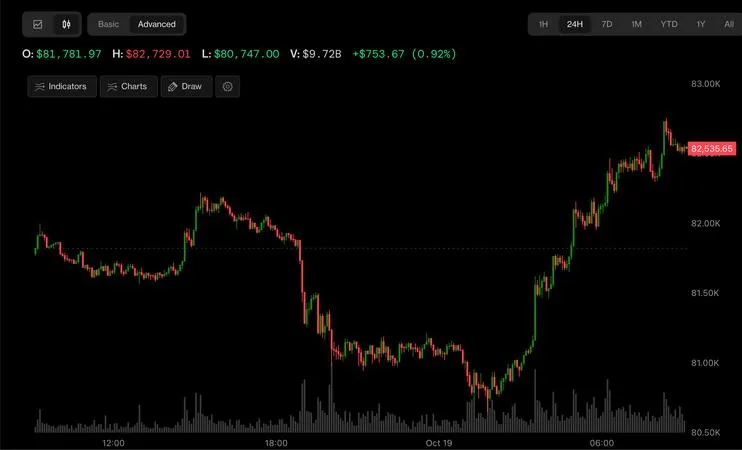
China GDP beat and lower oil prices drive risk asset gains across global markets

Richard Heart detained as crypto developments unfold in Istanbul and beyond