How tokenized stocks fail as collateral even when the stock price does not move

Edel, a decentralized finance (DeFi) lending protocol, recently faced a significant breach that resulted in a loss of $403,000, highlighting the vulnerabilities inherent in using tokenized stocks as collateral in DeFi platforms. The exploit occurred at a critical layer where these tokenized assets were being integrated into the DeFi lending landscape. In response to the incident, Edel reassured its users that no depositor would suffer losses from the exploit, as the team would absorb the bad debt and restore affected balances on a one-to-one basis. Furthermore, Edel announced plans to revamp its oracle architecture in preparation for a version two release of the protocol, aiming to prevent similar incidents in the future.
The backdrop of this incident is significant, as tokenized stocks have been gaining traction in the DeFi ecosystem, with many believing they could bridge traditional finance and digital assets. As the demand for innovative financial products grows, integrating traditional equities into the DeFi space seemed promising but also presented unique challenges. The incident with Edel serves as a stark reminder of the complexities involved when merging these two worlds, particularly concerning collateral management and price manipulation.
This breach raises critical questions about the reliability of tokenized stocks as collateral in DeFi lending. Despite the underlying stock prices remaining stable, the exploit demonstrates that the mechanisms used to value and manage these assets can be compromised. The incident could lead to increased scrutiny from both investors and regulatory bodies, which may ultimately impact liquidity and the willingness of users to engage with tokenized stock offerings. If confidence in these products wanes, it could hinder the broader adoption of tokenized assets within the DeFi space.
Industry reactions have varied, with some experts expressing concern over the security measures in place within DeFi protocols that handle tokenized stocks. Others have emphasized the importance of robust oracle systems, which are crucial for accurate price feeds and collateral valuation. As the DeFi landscape continues to evolve, stakeholders are calling for more stringent security protocols and risk management strategies to protect users from similar exploits. This incident may prompt developers to revisit their approaches to integrating traditional financial assets into decentralized platforms.
Looking ahead, the Edel exploit could serve as a catalyst for change in how tokenized stocks are treated in the DeFi ecosystem. With the intention to release a version two of their protocol, Edel is likely to focus on enhancing security measures and refining the oracle architecture to prevent future vulnerabilities. Additionally, this incident may inspire other projects within the DeFi space to rethink their strategies regarding collateralization and risk assessment, ultimately shaping the future landscape of tokenized assets in decentralized finance.

CoinMagnetic Team
Crypto investors since 2017. We trade with our own money and test every exchange ourselves.
Updated: July 2026
From our insights:
Related news

MetaMask security incident leads to 523,000 ETH validator exits, no funds lost
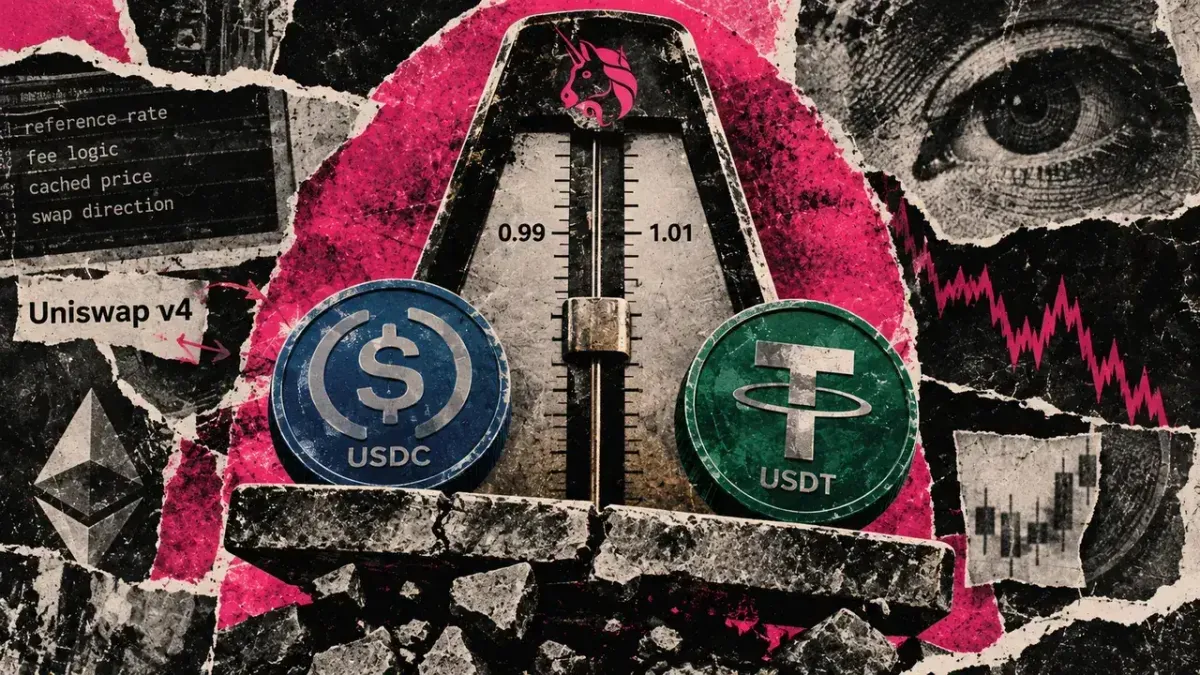
Uniswap's StablePair hook exposes liquidity providers to three key risks
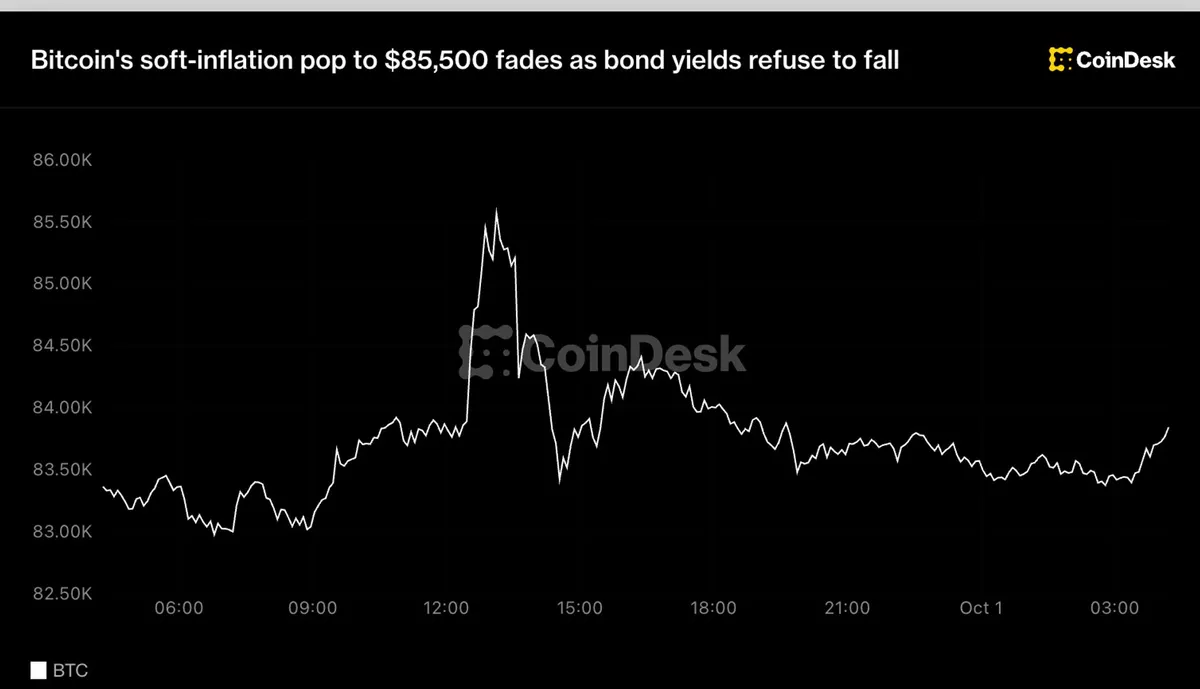
Bitcoin touches $85,500 briefly before yields keep gains in check

CFTC aims to classify event contracts as swaps to claim jurisdiction
Dogecoin Is Getting Apps as DogeOS Opens Its Public Testnet