Aave's $50 million lending initiative risks losses even with no defaults

Aave has unveiled a $50 million lending plan that aims to leverage BTC and ETH loans, coupling custodied borrower collateral with DAO assets that secure an alternative funding source. This innovative approach seeks to enhance liquidity and broaden the lending platform's appeal by providing more options for both borrowers and lenders. However, analysis suggests that the plan's viability could be compromised even in a scenario where no borrowers default on their loans.
The context behind Aave's lending initiative lies in the ongoing evolution of decentralized finance (DeFi) platforms, which have been increasingly exploring ways to mitigate risks while maximizing returns. Aave, as a leading player in the DeFi space, has continually adapted its services to meet the changing needs of its user base. The introduction of this $50 million lending plan indicates a strategic shift to attract more users and deepen market engagement, particularly in the current volatile crypto environment.
This development is significant for the market as it highlights the inherent risks associated with DeFi lending, even under seemingly secure conditions. The potential for losses without any defaults raises questions about the sustainability of current lending models. If investors and participants perceive that the risks outweigh the benefits, it could lead to decreased confidence in DeFi lending protocols, affecting their overall growth and adoption.
Industry reaction to Aave's plan has been mixed, with some experts expressing caution while others view it as a bold step forward. Proponents argue that the innovative structure could pave the way for more sophisticated risk management methodologies in DeFi. Critics, however, warn that such frameworks may not adequately address the complexities of market dynamics and borrower behavior. The differing opinions underscore the importance of thorough risk assessments in the DeFi sector.
Looking ahead, the success of Aave's lending initiative will largely depend on its ability to build trust and demonstrate the effectiveness of its model. As more details emerge and the plan is put into action, stakeholders will be closely monitoring its performance. If Aave can navigate these challenges effectively, it may set a precedent for future lending protocols, potentially reshaping the landscape of decentralized finance.

CoinMagnetic Team
Crypto investors since 2017. We trade with our own money and test every exchange ourselves.
Updated: September 2026
From our insights:
Related news
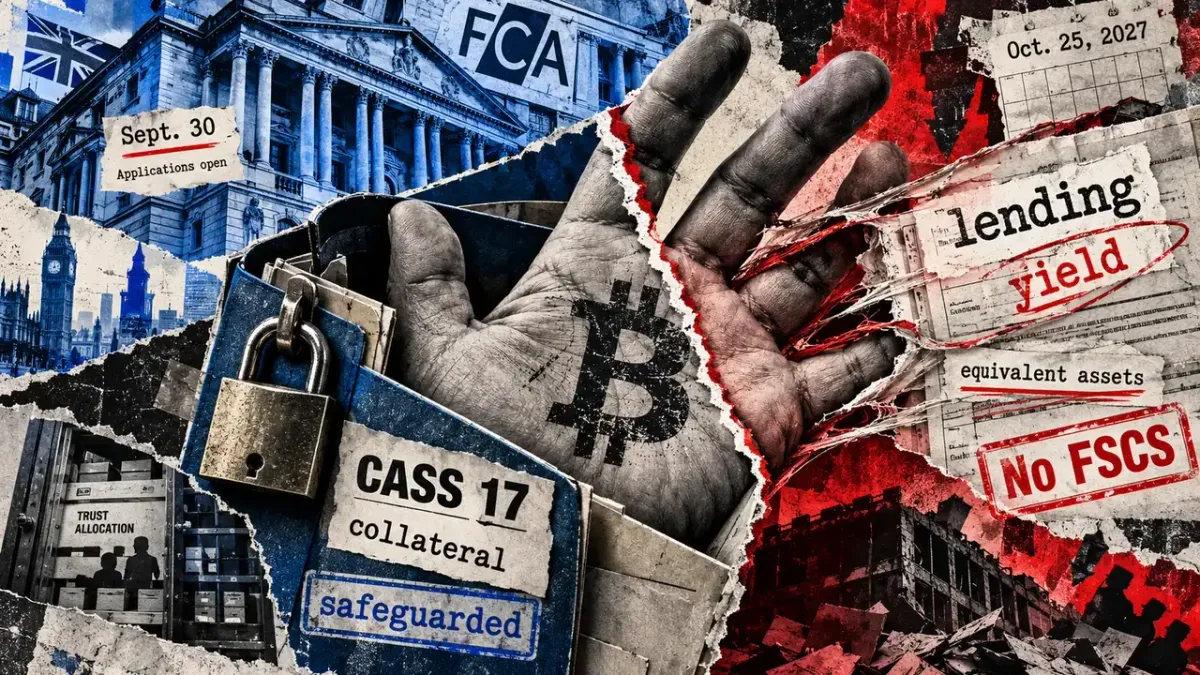
UK’s 2027 crypto regulations allow removal of trust protection on Bitcoin lending

Bitcoin holds steady near $83,700 as PCE data eases rate hike fears

Bitcoin rallies as cool PCE data eases rate-hike concerns amid high bond yields

CFTC sends new rules on swaps definitions amid state gambling disputes
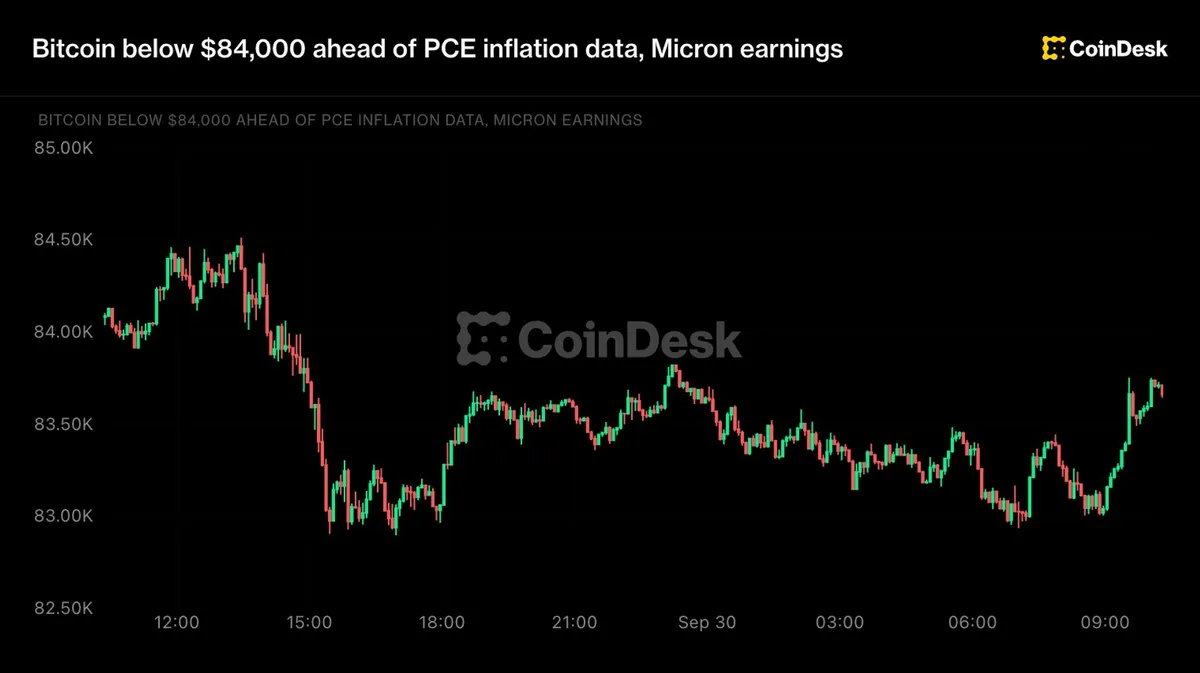
Bitcoin dips below $84,000 as traders await key inflation data