How MiCA brings banks closer to controlling Europe’s stablecoin access
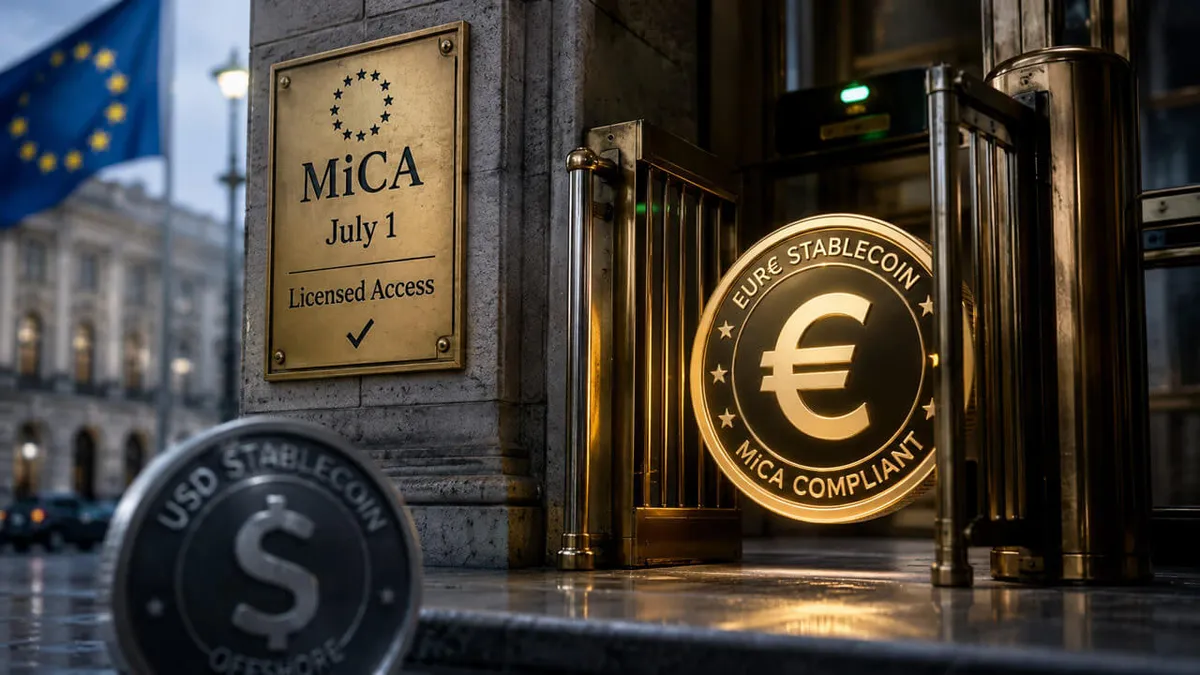
The European Union is currently finalizing its Markets in Crypto-Assets (MiCA) regulation, which aims to create a comprehensive framework for digital assets, including stablecoins. As part of this initiative, the regulation will establish a clear set of rules regarding the issuance and operation of stablecoins, focusing on compliance and risk mitigation. This regulatory framework is poised to significantly shape the landscape of stablecoin access across Europe, with banks potentially playing a central role in controlling who can operate within these new guidelines. The MiCA regulations are designed to enhance consumer protection, ensure financial stability, and foster innovation within the crypto sector.
The push for MiCA comes against a backdrop of growing interest in digital currencies and their implications for traditional financial systems. Stablecoins, which are pegged to fiat currencies, have gained immense popularity due to their potential to facilitate seamless transactions and provide a hedge against volatility. However, the rapid expansion of the stablecoin market has raised concerns among regulators about risks related to money laundering, consumer protection, and systemic financial stability. By creating a regulated environment, MiCA aims to address these concerns while also allowing room for innovation in the crypto space.
The significance of MiCA for the market cannot be overstated. By granting banks and financial institutions a more prominent role in the stablecoin ecosystem, the regulation could lead to increased legitimacy and mainstream adoption of these digital assets. This shift may also encourage existing financial institutions to develop their own stablecoin offerings, thus intensifying competition and potentially leading to lower transaction costs for consumers. Furthermore, a regulated framework could attract institutional investors who have been cautious about entering the crypto space due to regulatory uncertainties.
Reactions from the industry have been mixed, with some experts praising the move as a necessary step toward a more secure and regulated crypto environment. Others, however, express concerns that increased control by banks could stifle innovation and limit the decentralized nature of cryptocurrencies. Many industry leaders are advocating for a balanced approach that allows for both regulatory oversight and the freedom for new technologies to flourish. Some analysts argue that while MiCA may create a more orderly market, it could also inadvertently push some smaller players out of the market, consolidating power among larger financial institutions.
Looking ahead, the implementation of MiCA will be closely watched by both market participants and regulators worldwide. As the final details of the regulation are ironed out, stakeholders are eager to understand how the framework will operate in practice and its implications for cross-border transactions and interoperability among different stablecoins. The evolution of this regulatory landscape will likely influence not only the future of stablecoins in Europe but also set a precedent for other regions considering similar regulatory measures. As we move forward, the balance between innovation and regulation will remain a critical focus for all involved in the crypto ecosystem.

CoinMagnetic Team
Crypto investors since 2017. We trade with our own money and test every exchange ourselves.
Updated: July 2026
From our insights:
Related news
Suit against OCC aims to prevent crypto firms' access to banking system

Crypto M&A activity remains high despite Clarity Act Senate setback

El Salvador secures $138 million from IMF following Bitcoin waivers approval

Digital ruble used for wage payments by Russia’s Finance Ministry for first time

PewDiePie claims OpenAI banned him twice while developing uncensored AI model