Americans traded $571 million on Polymarket politic bets despite U.S. ban
Polymarket, a popular prediction market platform, has reported that U.S.-linked wallets have executed a staggering $571 million in political bets over the past year. This trading activity occurred despite the platform's legal inability to serve American customers, highlighting a notable paradox in the current landscape of online betting and political forecasting. The majority of the bets placed on Polymarket have focused on foreign conflict markets, areas that are often excluded from other U.S.-based betting venues, indicating a strong demand for these types of contracts among traders.
To understand this phenomenon, it is crucial to recognize the regulatory backdrop against which Polymarket operates. The platform has faced scrutiny from U.S. regulators, leading to its decision to block American users from accessing its services. Nevertheless, users have found ways to circumvent these restrictions, and the sheer volume of trades suggests a robust appetite for political speculation. This situation underscores the ongoing tension between traditional regulatory frameworks and the innovative nature of decentralized finance and prediction markets, which often operate outside conventional oversight.
The significant trading volume on Polymarket has implications for the broader crypto market. It demonstrates a growing interest in alternative forms of investment and speculation that leverage blockchain technology. As traders seek opportunities in areas where traditional markets may not operate, platforms like Polymarket are likely to attract more attention, potentially increasing the legitimacy and acceptance of prediction markets within the financial ecosystem. This trend could hint at a future where decentralized platforms gain ground against traditional betting and trading venues.
Industry reactions to Polymarket’s trading statistics have been mixed. Some experts argue that the platform's success is indicative of a broader shift toward decentralized betting environments, while others express concern over regulatory compliance and user protection. The ability of users to engage in high-volume trading on a platform that is technically unavailable to them raises questions about the effectiveness of current regulations and the potential need for reforms to address the realities of digital finance. This situation has sparked debates among industry stakeholders about how best to balance innovation with regulatory oversight.
Looking ahead, it will be interesting to see how Polymarket navigates its regulatory challenges while continuing to attract traders. The platform may need to explore options for compliance or potential partnerships that could allow it to serve U.S. users legally. Additionally, as the demand for political betting continues to grow, other platforms may emerge to fill the gap left by U.S. restrictions, further shaping the landscape of prediction markets. The ongoing evolution of these platforms will undoubtedly influence how we think about political forecasting and speculative trading in the digital age.

CoinMagnetic Team
Crypto investors since 2017. We trade with our own money and test every exchange ourselves.
Updated: July 2026
From our insights:
Related news
El Salvador secures $138 million from IMF following Bitcoin waivers approval

Digital ruble used for wage payments by Russia’s Finance Ministry for first time

PewDiePie claims OpenAI banned him twice while developing uncensored AI model
Top 185 TRUMP meme coin holders invited to dinner with Trump on Nov. 22
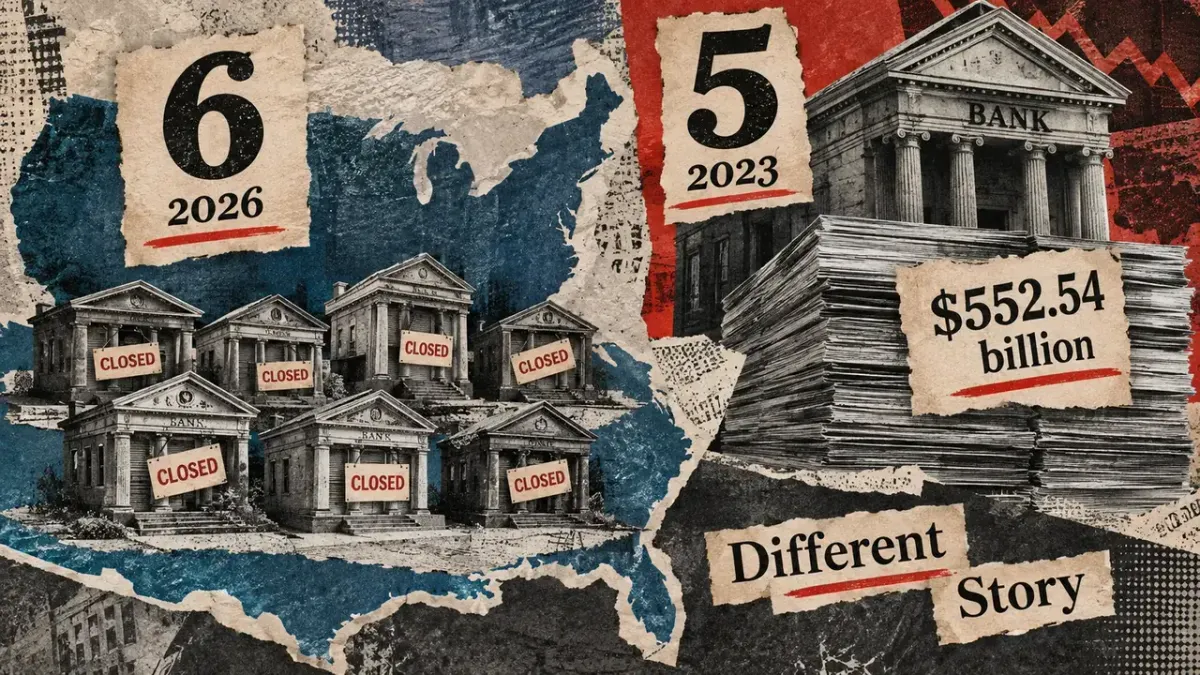
2026 sees six US bank failures, but assets drop to $1.43 billion