How EU and UK crypto platforms are already building your 2027 tax report

Recent developments in the European Union and the United Kingdom have brought significant attention to how crypto platforms are preparing for the tax implications of digital asset trading. As regulations tighten and compliance becomes paramount, these platforms are leveraging advanced reporting tools to help users compile their tax reports well in advance of 2027. This proactive approach is essential, as the evolving landscape of crypto taxation requires users to be more informed and prepared than ever. By focusing on the reporting nexus, which hinges on the users' providers, and understanding the implications of tax residency, platforms are making strides to simplify the often convoluted process of tax reporting for cryptocurrency transactions.
Historically, the regulatory environment surrounding cryptocurrencies in the EU and UK has been characterized by a patchwork of guidelines that vary significantly across jurisdictions. However, recent moves towards comprehensive regulatory frameworks have fostered an environment where clearer tax obligations are expected. The introduction of the Markets in Crypto-Assets (MiCA) regulation in the EU and the UK's own Financial Services and Markets Bill demonstrate a shift towards formalizing the status of crypto assets. As a result, platforms are now required to implement robust reporting mechanisms that adhere to these new regulations while also ensuring that users are equipped to handle their tax responsibilities.
This development matters significantly for the crypto market as it indicates a growing acceptance of digital assets within mainstream financial systems. Enhanced compliance measures can lead to increased trust among traditional investors, potentially attracting a broader audience into the crypto space. Furthermore, as platforms facilitate smoother reporting processes, we may witness a rise in user engagement and trading activity. The impact of these measures could also influence how cryptocurrencies are perceived by both regulators and the public, perhaps contributing to greater legitimacy of digital assets.
Industry reactions have been varied, with some experts applauding the move towards better compliance and transparency. Many view this as a necessary evolution that could pave the way for more institutional investment in cryptocurrencies. However, there are also concerns regarding the complexity of the tax reporting process, which may deter less experienced investors. Experts warn that while the infrastructure is being built, the educational aspect is equally crucial in ensuring users understand their obligations and the details of the reporting system.
Looking ahead, we anticipate that as we approach 2027, more crypto platforms will refine their reporting capabilities and provide additional educational resources for their users. This trend could lead to greater harmonization of tax reporting requirements across jurisdictions, further easing the burden on crypto investors. As the landscape continues to evolve, it will be critical for both regulators and platforms to remain agile in their approaches, ensuring that users are not only compliant but also empowered in their understanding of crypto taxation.

CoinMagnetic Team
Crypto investors since 2017. We trade with our own money and test every exchange ourselves.
Updated: July 2026
From our insights:
Related news

MNX introduces pre-IPO futures for private AI firms, challenging OKX and BitGet

Binance VIP head says hedge funds are actively exploring arbitrage opportunities on crypto venues
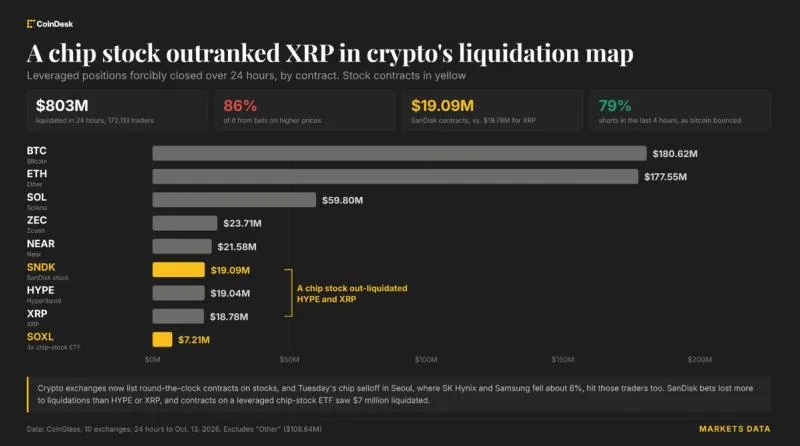
Tokenized SanDisk bets saw more liquidations than XRP as Asia’s chip rout wipes out $800 million

South Korea targets KuCoin and MEXC among 27 unregistered crypto platforms

Binance AI trading interface goes live globally after testing phase