Czech Republic tells ISPs to block Polymarket after gambling blacklisting

The Czech Finance Ministry has taken significant action by adding Polymarket to its blacklist of unauthorized online gambling websites. As a result, internet service providers (ISPs) in the country are mandated to block access to the platform within 15 days. This decision highlights the ongoing scrutiny of online betting platforms, particularly those utilizing cryptocurrency and decentralized technologies. Polymarket, known for its prediction markets where users can bet on various outcomes, now faces considerable operational hurdles in the Czech Republic.
To understand the implications of this move, it is essential to consider the regulatory landscape surrounding online gambling in the Czech Republic. The country has established strict guidelines to oversee gambling activities, emphasizing the need for operators to be licensed and compliant with local laws. The addition of Polymarket to the blacklist suggests that the Finance Ministry views the platform as operating outside of these regulations. This reflects a broader trend among governments worldwide to impose stricter controls on online gambling, particularly as it intersects with emerging technologies like blockchain.
This development is significant for the broader market, especially as it underscores the challenges decentralized platforms face in navigating traditional regulatory frameworks. Polymarket's blacklisting could deter potential users in the Czech Republic, impacting the platform's user base and overall market perception. Additionally, it may signal to other jurisdictions that similar actions could be taken against platforms perceived to operate outside legal boundaries, potentially stifling innovation in the prediction market space.
Industry experts have weighed in on the situation, noting that while regulatory compliance is crucial, the rapid pace of innovation in the crypto sector often outstrips existing laws. Many believe that this incident could spark discussions about the need for clearer regulations that accommodate decentralized platforms. Some advocates for blockchain technology argue that overly stringent measures may push users to less regulated or unregulated platforms, which could pose greater risks.
Looking ahead, it will be interesting to see how Polymarket responds to the Czech government's directive. The platform may explore avenues for compliance or reconsider its operations in the region altogether. Moreover, this event could prompt other countries to evaluate their stances on online gambling and prediction markets, potentially leading to a more uniform regulatory approach. As the landscape continues to evolve, stakeholders will be watching closely to see how these developments unfold and influence the future of online gambling and blockchain technology.

CoinMagnetic Team
Crypto investors since 2017. We trade with our own money and test every exchange ourselves.
Updated: July 2026
From our insights:
Related news

MNX introduces pre-IPO futures for private AI firms, challenging OKX and BitGet

Binance VIP head says hedge funds are actively exploring arbitrage opportunities on crypto venues
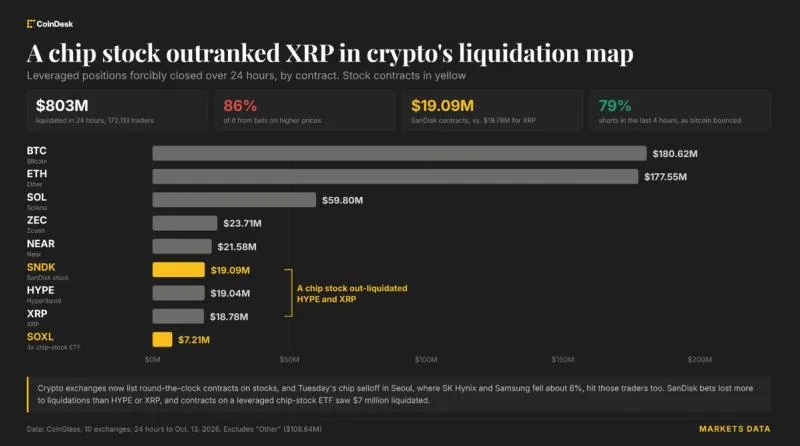
Tokenized SanDisk bets saw more liquidations than XRP as Asia’s chip rout wipes out $800 million

South Korea targets KuCoin and MEXC among 27 unregistered crypto platforms
Binance AI trading interface goes live globally after testing phase