How a $1.9 billion ‘Bitcoin reserve’ ended up in the top corporate rankings without buying a single coin
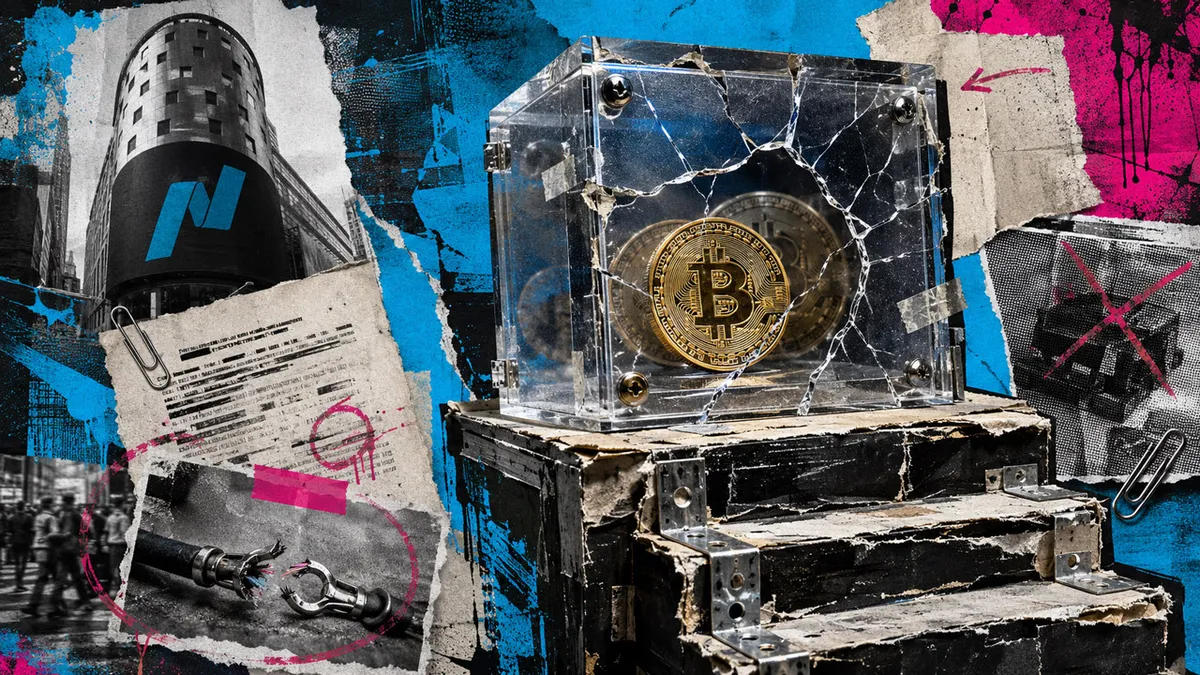
In a surprising turn of events, a company has made headlines by achieving a valuation of approximately $1.9 billion, all while not owning a single bitcoin. This unique scenario arises from the company's reported "Bitcoin reserve," which is largely dependent on future financial performances rather than actual holdings. The situation has sparked curiosity and debate within the financial community, particularly regarding how such a valuation can be attributed to a corporate entity that has not engaged in the direct acquisition of bitcoin.
To better understand this development, we need to consider the broader context of corporate interest in cryptocurrencies. In recent years, numerous companies have explored ways to integrate digital assets into their business models, leading to significant investments in cryptocurrency holdings. However, the mechanics of this specific case highlight a different approach–one that relies on potential future earnings and market sentiment rather than physical assets. This strategy raises questions about the sustainability and transparency of such valuations in an evolving financial landscape.
The implications of this scenario for the market are notable. A valuation of $1.9 billion for a company without direct bitcoin ownership challenges traditional perceptions of asset valuation and prompts discussions about the role of speculative assets in corporate finance. It also reflects the increasing complexity of financial instruments that derive value from digital currencies, potentially influencing investor behavior and corporate strategies moving forward. As more firms explore similar avenues, we may witness a shift in how digital assets are integrated into corporate valuations.
Industry experts have weighed in on this development, with some viewing it as a sign of the growing acceptance of cryptocurrencies in mainstream finance, while others caution against the risks of overvaluation based on speculative models. Analysts suggest that while this approach might appeal to investors looking for exposure to the crypto market, it could also introduce volatility, especially if the underlying assumptions about future performance do not materialize. The varying perspectives underscore the ongoing debate regarding the legitimacy and practicality of such valuation methods in a landscape still striving for regulatory clarity.
Looking ahead, it will be critical to monitor how this company navigates its business strategy in light of its unique valuation. Will it eventually move towards actually acquiring bitcoin or explore alternative avenues for leveraging its reported "Bitcoin reserve"? Additionally, as more companies examine their strategies concerning digital currencies, we may see a diversification of approaches, with some opting for direct investments while others adopt more creative financial models. This evolving landscape will undoubtedly continue to shape discussions around the intersection of cryptocurrencies and corporate finance.

CoinMagnetic Team
Crypto investors since 2017. We trade with our own money and test every exchange ourselves.
Updated: July 2026
From our insights:
Related news

King Charles convenes AI leaders as calls for development restraint grow

Robinhood's CEO argues against issuer veto on tokenized stocks

Revolut attackers threaten daily customer data leaks

Symbiosis says it recovered 15 BTC after Bitcoin bridge exploit, offers attacker 20% bounty
State of Crypto examines the uncertain future of regulatory clarity