Robinhood's CEO argues against issuer veto on tokenized stocks
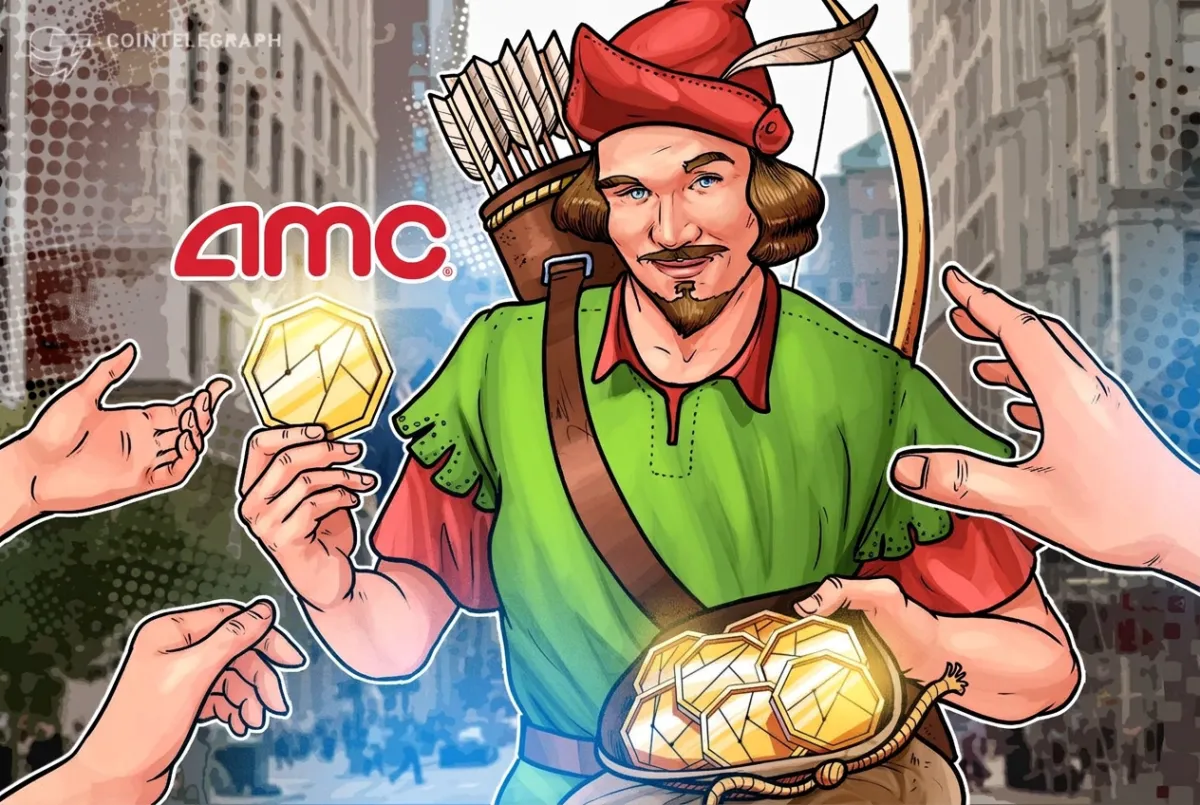
In a recent statement, Robinhood CEO Vlad Tenev emphasized that issuers should not have the authority to veto tokenized stocks as long as these products do not alter shareholder rights or company obligations. Tenev acknowledged the importance of issuer involvement when changes impact fundamental aspects of shareholder agreements, but he argued that if tokenized products simply create separate financial instruments backed by existing shares, their veto power should be limited. This perspective raises critical questions about the future of tokenization in the financial markets.
The discussion around tokenized stocks has gained significant traction over the past few years, particularly as blockchain technology has evolved and garnered mainstream attention. Tokenization refers to the process of converting ownership of real-world assets into digital tokens on a blockchain, which can streamline transactions and offer enhanced liquidity. As various financial institutions and tech companies explore this innovative approach, the conversation around the rights of issuers versus the rights of investors continues to unfold.
The implications of Tenev's comments are substantial for the market, particularly for the growing segment of tokenized assets. If issuers are allowed to maintain veto power over tokenized products, it could stifle innovation and limit the accessibility of these financial instruments for retail investors. On the other hand, a more permissive approach could lead to a broader adoption of tokenized stocks, promoting liquidity and potentially reshaping investment landscapes. The balance between issuer rights and investor interests will be crucial as the market navigates this evolving terrain.
Industry experts have expressed mixed reactions to Tenev's remarks. Some view his stance as a push for greater decentralization and empowerment of investors, while others caution that too much freedom might undermine the responsibilities of issuers. The debate underscores the need for a clear regulatory framework that can govern the intersection of traditional finance and emerging digital assets, ensuring that both investors' rights and issuers' obligations are respected.
Looking ahead, the conversation around tokenized stocks is likely to intensify, especially as regulatory bodies begin to weigh in on these issues. Companies like Robinhood, which are at the forefront of this transformation, will need to continue advocating for frameworks that foster innovation while protecting investor interests. As the market evolves, the outcomes of these discussions could have lasting impacts on how tokenized financial products are structured and traded.

CoinMagnetic Team
Crypto investors since 2017. We trade with our own money and test every exchange ourselves.
Updated: September 2026
From our insights:
Related news

King Charles convenes AI leaders as calls for development restraint grow

Revolut attackers threaten daily customer data leaks

Symbiosis says it recovered 15 BTC after Bitcoin bridge exploit, offers attacker 20% bounty
State of Crypto examines the uncertain future of regulatory clarity

Bitcoin payment servers face bot attacks targeting administrative keys