How 10 cows in Brazil unlocked a tokenized path to bridge an $8 trillion global finance gap
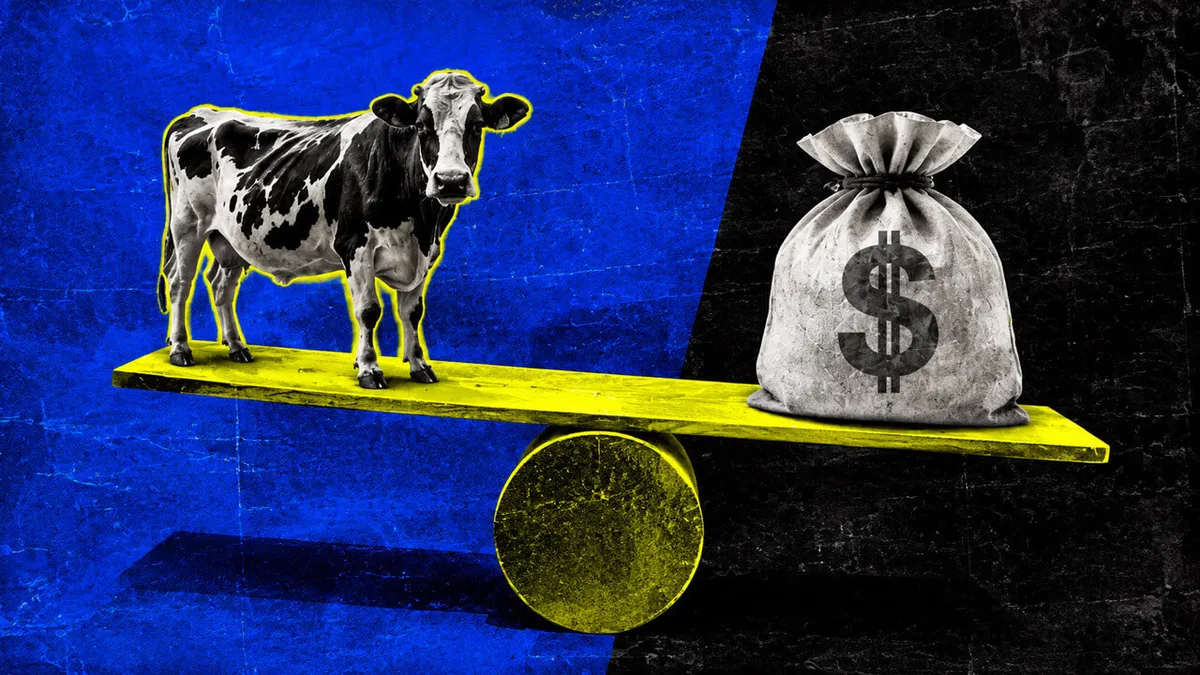
In a groundbreaking development, ten dairy cows in Paraná, Brazil, have taken center stage in the world of tokenized finance. Utilizing Cowmed collars, these cows were equipped with encrypted identities that recorded vital information about their health, behavior, and location. This innovative approach allowed the animals to serve as collateral for nearly $20,000 in credit through B3, Brazil's main stock exchange. This move represents a significant step toward integrating livestock into the financial ecosystem, showcasing how traditional agriculture can align with modern financial technology to create new lending opportunities.
The concept of tokenizing assets is not new, but applying it to livestock is particularly intriguing. In many parts of the world, small farmers often struggle to access capital due to the lack of sufficient collateral. This situation is exacerbated in developing nations, where traditional credit systems may overlook agricultural assets. The Cowmed initiative aims to address this by creating a verifiable and traceable digital identity for each cow, thereby improving transparency and reducing the risks that lenders face. This innovation can potentially unlock access to finance for millions of small-scale farmers who have previously been excluded from the banking system.
The implications of this development for the broader market are substantial. The global finance gap is estimated to be around $8 trillion, and bridging this gap could transform countless lives. By allowing livestock to be used as collateral, it paves the way for increased lending and investment in rural and agricultural sectors. This could lead to improved agricultural productivity, enhanced food security, and economic growth in regions that have historically been underserved by financial institutions. Moreover, as more farmers adopt technology-driven solutions, the potential for scaling these initiatives could be significant.
Reactions within the industry have been mixed but largely positive. Experts in agricultural finance and blockchain technology have praised the initiative for its potential to innovate lending practices. Some suggest that if successful, this model could inspire similar projects in other regions, encouraging a shift in how assets are valued and leveraged in rural economies. However, there are also concerns regarding the scalability of such solutions and the need for robust regulatory frameworks to protect both farmers and lenders in these transactions.
Looking ahead, the success of this pilot program in Brazil may lead to further developments in tokenized assets. As technology continues to evolve, we could see more animals being tokenized, potentially expanding into other forms of collateral beyond livestock. The implications of this could ripple across the agricultural sector, influencing everything from lending practices to insurance models. As the world grapples with an increasingly complex financial landscape, initiatives like Cowmed could play a pivotal role in shaping a more inclusive future for finance.

CoinMagnetic Team
Crypto investors since 2017. We trade with our own money and test every exchange ourselves.
Updated: July 2026
From our insights:
Related news

Google Quietly Updates Privacy Policy to Let Gmail and Photos Data Feed Ads
Bitcoin falls below $80,000 as U.S. evacuations heighten market pressure

Call of Duty studio discussed dropping physical discs as early as 2007

Xapo Bank CEO sees wealthy bitcoin holders favoring loans and yield strategies

IRS program overhaul targets reduced penalties for crypto and other tax violations