House passes bill on lawmakers using insider information for stock trading

The U.S. House of Representatives has recently passed a bill aimed at addressing insider trading among lawmakers, but the legislation has drawn criticism for not fully banning stock trading by members of Congress. Senator Elizabeth Warren has publicly expressed her concerns, stating that the bill “won’t solve the problem” since it still permits lawmakers to own and sell stocks. The bill is seen as a response to growing public outcry regarding potential conflicts of interest, especially as members of Congress often have access to sensitive information that could influence stock prices.
This legislative effort comes in the wake of heightened scrutiny over the trading activities of Congress members, particularly during significant market events or public health crises. The issue gained traction as reports surfaced of lawmakers profiting from trades made based on privileged information, prompting calls for stricter regulations. Previous attempts to curb insider trading in Congress have faced challenges, with some proposals stalled in committee. The current bill aims to introduce transparency measures but has been criticized for not going far enough in preventing conflicts of interest.
The implications of this bill are significant for the market as they touch on the integrity of the legislative process. While the bill is a step toward greater accountability, the allowance for lawmakers to trade stocks raises questions about the potential for market manipulation. Investors are keenly aware of how insider knowledge can distort market fairness, and many believe that true reform would require a full ban on stock trading for Congress members. As the bill moves forward, its impact on investor confidence and market dynamics will be closely monitored.
Industry reaction has been mixed, with some advocates for financial reform asserting that the bill is a necessary first step, while critics argue it fails to address the core issue of potential insider trading. Experts have pointed out that without a complete prohibition on stock ownership for lawmakers, the risk of conflicts of interest remains. They suggest that more robust measures are needed to ensure that lawmakers are held to a higher standard of accountability, which would ultimately enhance public trust in both Congress and the markets.
Looking ahead, it remains to be seen how the Senate will respond to the House's bill and whether further amendments will be proposed to strengthen the legislation. The conversation around insider trading in Congress is likely to continue, as public interest and scrutiny are expected to remain high. As lawmakers navigate these complex issues, the potential for additional changes or reforms in the future could reshape the landscape of congressional ethics and influence market behavior.

CoinMagnetic Team
Crypto investors since 2017. We trade with our own money and test every exchange ourselves.
Updated: July 2026
From our insights:
Related news

US bans DeepSeek for federal agencies as Swiss and Asian crypto ties expand
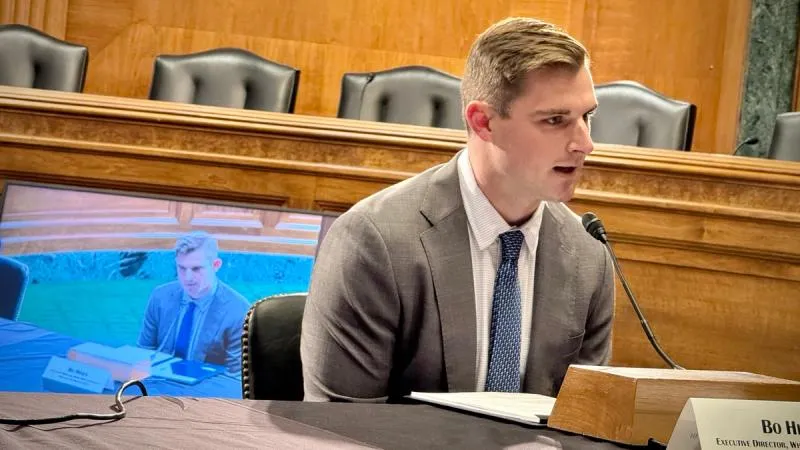
Blumenthal subcommittee examines Tether transactions linked to Bo Hines

Gemini co-founders PAC enters Texas Senate race with an $81K ad placement

Regulatory actions compensate for Clarity Act setback, JPMorgan notes
Blockchain Association urges congressional tax clarity for digital assets