Heatbit integrates 20 mining chips into an $899 water heater element
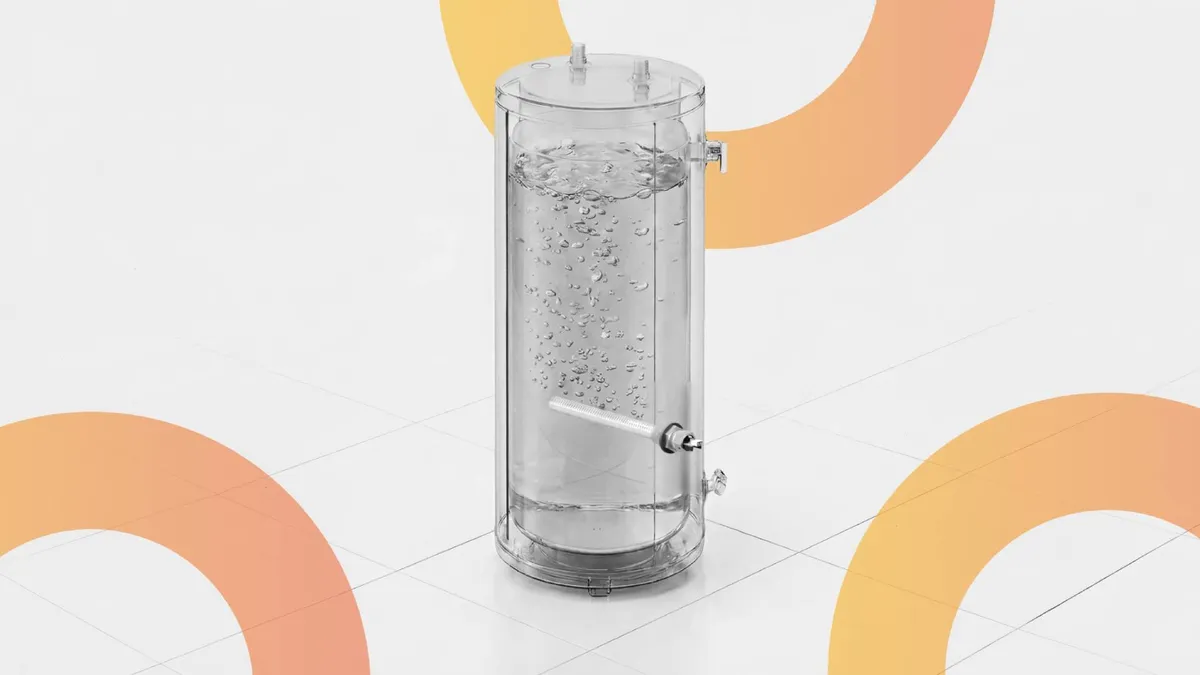
At CoinMagnetic, we always keep an eye out for hardware that bridges the gap between everyday appliances and cryptocurrency mining. Recently, tech startup Heatbit introduced a new device designed to warm water while simultaneously generating digital assets. The company's Bitwater element is priced at $899 and is built to replace the standard resistance wire found in traditional water heaters with twenty dedicated mining chips. According to the manufacturer, this unique setup uses the exact same amount of electricity to heat domestic water as it does to compute mining algorithms.
This release builds upon Heatbit's earlier attempts to integrate crypto mining into consumer-grade home heating appliances. In the past, the firm launched standalone space heaters that utilized the thermal byproduct of computational hardware to warm living spaces. By pivoting toward water heating, the team is targeting a household appliance that runs frequently throughout the day, potentially offering a more consistent uptime for mining operations compared to seasonal space heaters.
For the broader crypto market, consumer-facing hardware like this highlights the ongoing search for ways to offset the high energy costs associated with proof-of-work mining. While residential electricity rates are typically higher than those paid by large-scale industrial data centers, devices that repurpose necessary household energy consumption change the economic equation for hobbyist miners. Instead of treating electricity purely as an expense, homeowners can offset a portion of their utility bills with block rewards.
Industry reactions to domestic mining hardware are usually mixed, balancing enthusiasm for decentralization against practical concerns over noise, heat management, and hardware lifespan. Critics often point out that specialized appliances can be expensive to repair or replace if components fail outside of warranty. However, advocates maintain that creative hardware solutions are essential for keeping retail participation alive in a sector that is increasingly dominated by institutional mining farms.
As Heatbit rolls out the Bitwater element, we will be watching to see how adoption unfolds among tech enthusiasts and off-grid builders. The success of such hybrid appliances will likely depend on software reliability, ease of installation, and how well the mining yields hold up against fluctuating network difficulties. If consumer demand proves steady, we might see more manufacturers experimenting with dual-purpose household electronics in the near future.

CoinMagnetic Team
Crypto investors since 2017. We trade with our own money and test every exchange ourselves.
Updated: October 2026
From our insights:
Related news

Lionel Messi chess advertisement featuring ChatGPT sparks viral debate over AI board setup and opening moves

A16z expands focus from crypto to AI and emerging tech investments
Bitcoin drops to around $81,600 amid renewed AI skepticism, DeFi tokens fall

Cardano Foundation warns EU that expanding MiCA rules to DeFi risks uncertainty

Dataline raises $10.6 million for decentralized data network for AI agents, plans ICO