Alphabet adopts Google Multi-Party Compute to secure its Ethereum and Solana assets

As artificial intelligence introduces new security challenges to the digital asset landscape, tech giant Google is stepping up its efforts to protect blockchain holdings. We are following the private preview of the Google Multi-Party Compute system, a security framework designed to safeguard crypto custody operations. Several major financial institutions are currently testing the technology, while parent company Alphabet is actively using the solution to secure its own digital assets operating on the Ethereum and Solana networks.
This development comes at a time when the intersection of artificial intelligence and cybersecurity has become a critical focal point for traditional tech and financial sectors alike. Advanced computational threats driven by AI demand more robust defenses than standard cryptographic storage models can traditionally provide. By leveraging multi-party computation, private keys are split into multiple secure shares across different parties or locations, ensuring that no single point of failure can compromise the entire treasury.
For the broader cryptocurrency market, this move matters significantly because it bridges the gap between institutional-grade security and distributed ledger technology. When a trillion-dollar company like Alphabet integrates specialized custody solutions into its own balance sheet operations, it sets a strong precedent for other corporate entities. Security has historically remained one of the highest barriers to entry for mainstream institutions entering the digital asset space, making advanced cryptographic safeguards essential for widespread adoption.
Industry observers and financial analysts have noted that private previews involving major institutions point toward a growing demand for specialized, enterprise-grade custody infrastructure. As threat actors begin utilizing sophisticated AI tools to target digital vaults, the reliance on traditional cold storage alone is increasingly viewed as insufficient for large-scale operations. Experts emphasize that distributed security models like multi-party compute will likely become the baseline standard for institutional crypto management moving forward.
Looking ahead, the success of this private preview phase will likely determine how quickly Google rolls out the custody security system to a broader commercial market. We anticipate that as the technology proves its reliability among early testers, more financial institutions and corporate treasuries will evaluate similar cryptographic architectures. The ability of tech giants to build resilient infrastructure for Ethereum and Solana assets could ultimately reshape how corporate America interacts with decentralized networks.

CoinMagnetic Team
Crypto investors since 2017. We trade with our own money and test every exchange ourselves.
Updated: October 2026
From our insights:
Related news

Bitcoin breaks past $81,000 alongside a widespread market rally led by HYPE and ZEC
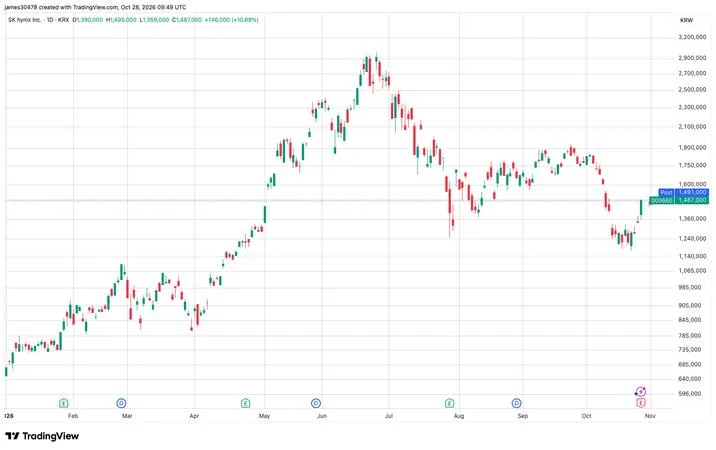
SK Hynix profit surge drives Kospi 7 percent higher on massive AI stock rebound

Morgan Stanley strategist sees limited downside as bitcoin targets $82,000
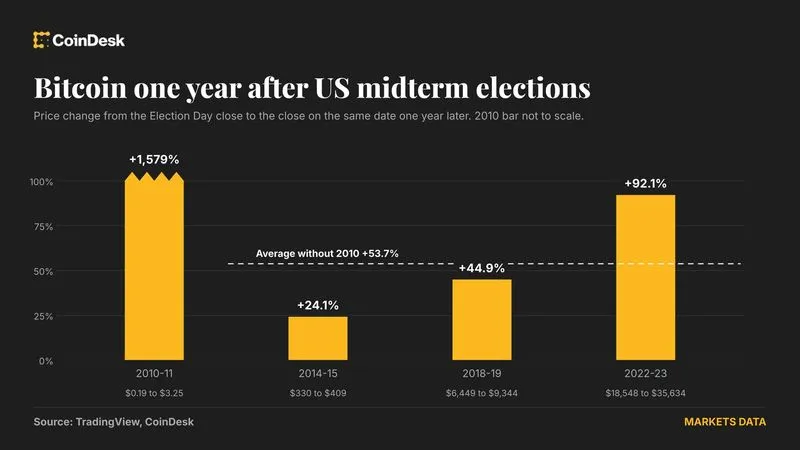
Midterm years historically precede average 50% bitcoin gains and 15% S&P 500 growth

Moody’s assigns investment-grade ratings to Ripple’s RLUSD stablecoin