Midterm years historically precede average 50% bitcoin gains and 15% S&P 500 growth
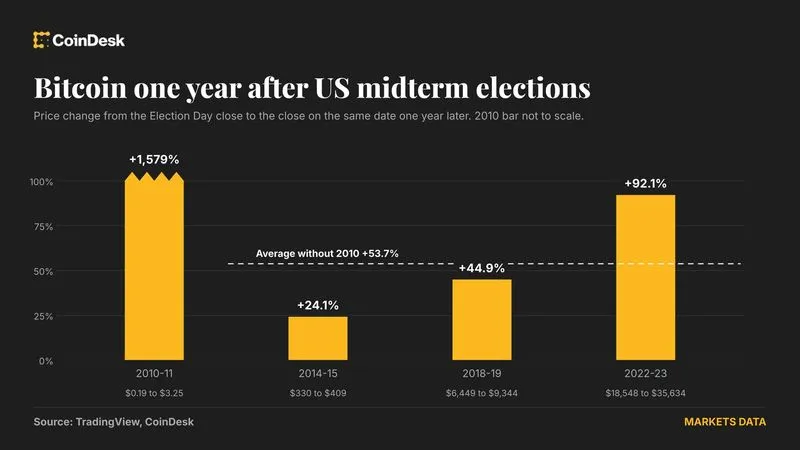
As the political landscape shifts and midterm elections pass, financial markets frequently enter a new phase of historical behavioral patterns. When examining past performance data, both bitcoin and the traditional S&P 500 index have consistently produced positive returns in the twelve months following midterm elections. Specifically, bitcoin has soared by an average of 50 percent during these post-midterm periods, while the S&P 500 has recorded an average gain of 15 percent, highlighting a recurring trend of market expansion after political uncertainty clears.
To understand this phenomenon, we have to look closer at the broader macroeconomic and structural timelines that govern these distinct asset classes. Midterm elections traditionally mark a turning point for regulatory clarity and government spending outlooks, which tends to boost investor confidence across traditional equities. However, in the case of the cryptocurrency market, analysts often debate whether this post-midterm momentum is truly driven by political cycles or if it simply coincides with the well-established four-year halving cycle that dictates bitcoin supply dynamics.
This historical overlap matters significantly for market participants who rely on multi-year cyclical patterns to guide their portfolio strategies. For digital asset investors, recognizing the convergence of macroeconomic electoral cycles and internal crypto halving mechanisms provides a clearer lens through which to view volatility. When traditional equity benchmarks like the S&P 500 rally alongside high-beta assets like bitcoin, it often signals a broader risk-on appetite that can sustain upward trends across the entire financial ecosystem.
Industry observers and market analysts remain divided on how much weight to place on political calendar milestones compared to native crypto metrics. While some commentators point to the removal of midterm legislative gridlock as a catalyst for institutional capital deployment, others argue that bitcoin operates on an entirely independent monetary schedule. This ongoing debate underscores the growing maturation of digital assets as they increasingly intersect with traditional macroeconomic indicators without losing their core cyclical identity.
Looking ahead, market participants will be watching closely to see if current price action mirrors these historical averages or if shifting global liquidity conditions create a divergence. As new regulatory frameworks take shape and macroeconomic pressures evolve, the coming months will test whether past performance remains a reliable guide for both equities and digital currencies.

CoinMagnetic Team
Crypto investors since 2017. We trade with our own money and test every exchange ourselves.
Updated: October 2026
From our insights:
Related news

Moody’s assigns investment-grade ratings to Ripple’s RLUSD stablecoin

US spot Bitcoin ETFs pull in $286 million across two sessions as BTC tops $80K

Datavault AI cuts $92.2 million in assets after losing bitcoin access
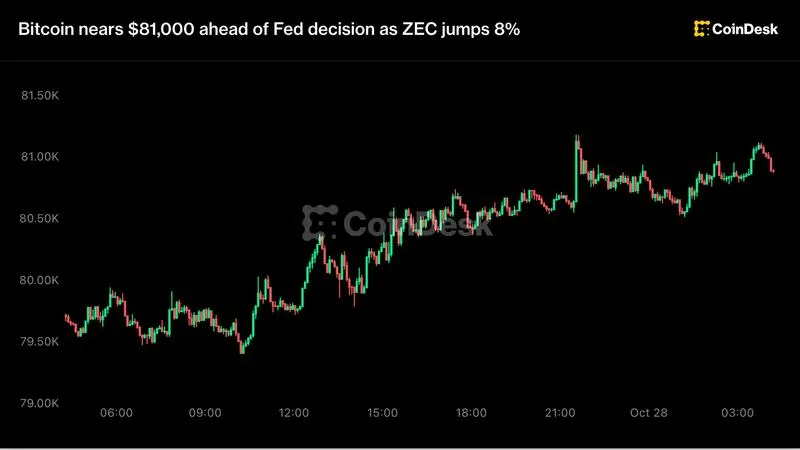
ZEC climbs 8 percent as bitcoin approaches 81000 prior to Federal Reserve verdict

Scilex bitcoin deal complications wipe out half of Datavault AI market value