Goldman Sachs cuts year-end gold target by $500, doubting rate cuts

Goldman Sachs has recently adjusted its year-end forecast for gold, reducing its target price from previous estimates to $4,900 per ounce. This revision comes amid a broader skepticism regarding anticipated interest rate cuts in the near future. While the new forecast still indicates a potential increase from current gold prices, it reflects a more cautious outlook as the global economic landscape shifts. The financial giant's analysts expressed concern over inflation dynamics and the potential for prolonged interest rate stability, which could influence investor sentiment towards gold.
Historically, gold has been viewed as a safe-haven asset, particularly during times of economic uncertainty and inflationary pressures. Over the past few years, we have seen fluctuations in gold prices largely influenced by central bank policies, geopolitical tensions, and macroeconomic indicators. Goldman Sachs’ revision indicates a pivot in the market's expectations surrounding monetary policy, suggesting that key economic data will play a critical role in shaping both gold prices and investor behavior moving forward.
This adjustment is significant for the market, particularly for investors who utilize gold as a hedge against inflation and currency devaluation. A lower price target could lead to a decrease in buying interest from institutional investors and hedge funds, which have historically driven gold prices higher during uncertain economic periods. As the market digests this news, it will be crucial to monitor how other financial institutions respond and whether gold's traditional role as a safe haven is challenged by evolving economic conditions.
Reactions from industry experts have been mixed, with some expressing disappointment at Goldman Sachs' more conservative outlook while others believe it aligns with current economic realities. Analysts from various sectors are emphasizing the importance of upcoming economic data releases, particularly regarding inflation and employment figures, which could sway central bank decisions on interest rates. The sentiment among gold traders appears cautiously optimistic, as many still see inherent value in gold despite the revised target.
Looking ahead, it will be interesting to observe how this forecast influences market behavior in the coming months. Investors will likely remain vigilant as they navigate the complexities of economic indicators and monetary policy shifts. As we approach the end of the year, the interplay between gold prices and macroeconomic developments will be critical in determining whether Goldman Sachs' revised target holds or if market dynamics lead to a different outcome.

CoinMagnetic Team
Crypto investors since 2017. We trade with our own money and test every exchange ourselves.
Updated: June 2026
From our insights:
Related news
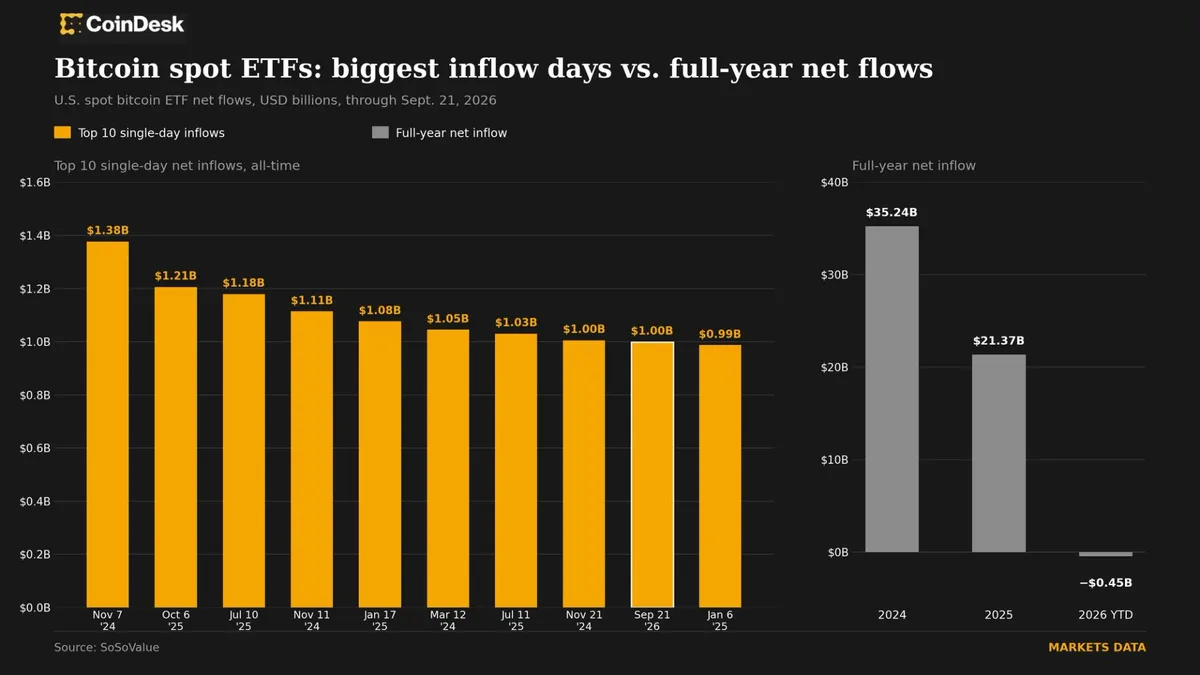
Spot bitcoin ETFs see nearly $1 billion inflow as bitcoin hits January highs

US spot Bitcoin ETFs see nearly $1 billion inflow, highest since October 2025

Bitcoin's rise to $86,000 restores profitability for ETF investors

Apple and Google seek crypto experts, signaling potential stablecoin initiatives

ECB initiates bond purchases using its own funds in crypto-linked system