From reinsurance to structured credit: The financial products you didn’t know Bitcoin was powering

Recent developments in the financial landscape have revealed that Bitcoin is not just a speculative asset but is also powering a range of innovative financial products that have been largely overlooked by the mainstream media. While exchange-traded funds (ETFs) have garnered significant attention, the creation of institutional products leveraging Bitcoin's underlying technology is quietly transforming areas such as reinsurance and structured credit. Notably, a $40 million insurance reserve has been established in Barbados, and Jefferies has facilitated an S&P-rated bond deal for Wall Street investors–all linked to Bitcoin. This evolution highlights the growing intersections between traditional finance and the digital asset ecosystem.
To understand this shift, it is essential to consider the broader context of Bitcoin's adoption in the financial sector. Over the past few years, Bitcoin has matured from a niche digital currency to a significant asset class, increasingly recognized by institutional investors. The rise of Bitcoin ETFs has indeed been a pivotal moment, allowing more traditional investors to gain exposure to Bitcoin without directly purchasing the asset. However, the true potential of Bitcoin extends beyond mere investment vehicles, as institutions explore how to integrate it into various financial structures for enhanced liquidity, risk management, and diversification.
The emergence of these new financial products matters significantly for the market as it indicates a deepening level of integration between cryptocurrency and traditional finance. By backing insurance reserves and structured credit arrangements with Bitcoin, institutions are not only diversifying their portfolios but also acknowledging Bitcoin's potential as a stable asset in times of economic uncertainty. This could lead to increased demand for Bitcoin, supporting its price and further legitimizing its role in the global financial system. As financial products evolve, they may provide additional use cases for Bitcoin that extend far beyond its original purpose as a digital currency.
Industry reactions to these developments have been mixed, with experts expressing cautious optimism. Some analysts argue that these products could bolster Bitcoin's reputation as a mainstream asset, while others caution that the volatility inherent in cryptocurrencies could pose risks to traditional financial structures. Additionally, the regulatory landscape remains a crucial factor, as regulators will likely scrutinize these products to ensure they align with existing financial laws and protect investors. The success of these initiatives will depend not only on market demand but also on how well they navigate regulatory hurdles.
Looking ahead, we can expect to see a continued expansion of Bitcoin-backed financial products as institutions seek innovative solutions to leverage the digital asset's unique properties. As more financial institutions enter this arena, collaboration between traditional finance and the crypto sector may lead to new financial instruments that could reshape investment strategies. The ongoing development of these products could also spur further regulatory clarity, setting the stage for a more integrated financial ecosystem where Bitcoin plays a pivotal role.

CoinMagnetic Team
Crypto investors since 2017. We trade with our own money and test every exchange ourselves.
Updated: June 2026
From our insights:
Related news
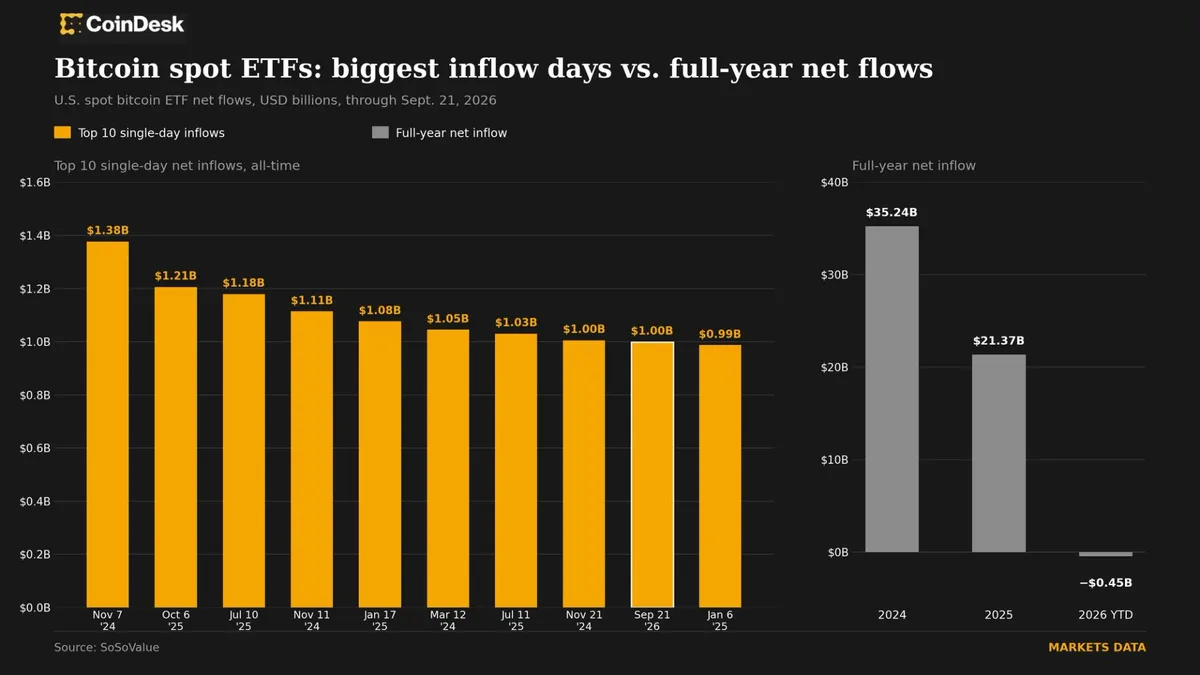
Spot bitcoin ETFs see nearly $1 billion inflow as bitcoin hits January highs

US spot Bitcoin ETFs see nearly $1 billion inflow, highest since October 2025

Bitcoin's rise to $86,000 restores profitability for ETF investors
Apple and Google seek crypto experts, signaling potential stablecoin initiatives

ECB initiates bond purchases using its own funds in crypto-linked system